




What's Happening?
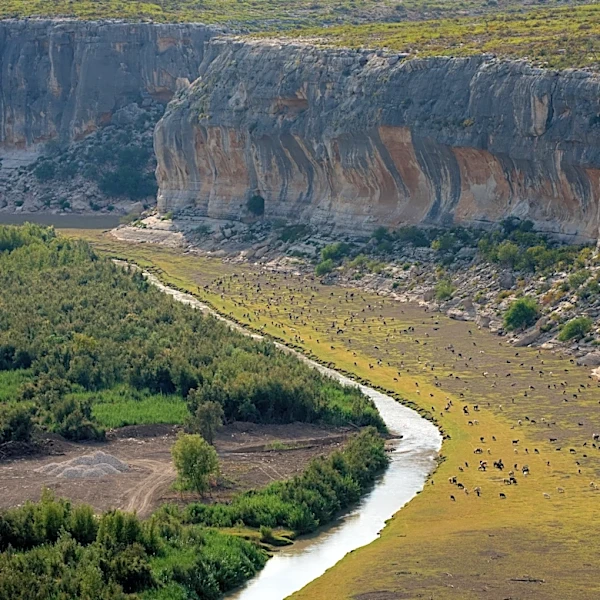
U.S. Senator Angus King has lauded the permanent protection of over 27,000 acres of forest in Western Maine. This conservation effort, a result of collaboration between various organizations and governmental bodies, aims to safeguard clean drinking water,
support local jobs, and establish a new trail network. The project involved securing a Forest Legacy easement through the USDA Forest Service’s Forest Legacy Program, funded by the Land and Water Conservation Fund. Maine’s congressional delegation, the Land for Maine’s Future Program, and more than $10 million in private philanthropic support were instrumental in this initiative. The Conservation Fund and the Malone Family Land Preservation Foundation initially acquired the property, with The Conservation Fund utilizing a loan from the Richard King Mellon Foundation and proceeds from its green bonds via the Working Forest Fund to finance its portion. Senator King emphasized the importance of public lands as a national treasure that provides jobs, outdoor recreation, and vital resources to communities, highlighting the long-term benefits of this accomplishment.
Why It's Important?
The permanent protection of this significant tract of Western Maine forest holds substantial importance for both environmental conservation and regional economic stability. By safeguarding over 27,000 acres, the initiative ensures the long-term availability of clean drinking water, a critical resource for local communities. Furthermore, the establishment of a new trail network is expected to boost outdoor recreation and tourism, thereby supporting local jobs and contributing to the regional economy. This project exemplifies a successful model of public-private partnership in conservation, demonstrating how federal programs like the Forest Legacy Program, combined with private philanthropic efforts, can achieve large-scale environmental protection. The involvement of Maine’s congressional delegation underscores the bipartisan commitment to preserving natural resources and their associated economic benefits, setting a precedent for future conservation endeavors across the U.S. The initiative also highlights the role of organizations like The Conservation Fund in facilitating such complex land acquisitions and protections.
What's Next?
Following the permanent protection of the Western Maine forest, the focus will likely shift towards the long-term management and utilization of the newly secured lands. This includes the development and maintenance of the promised new trail network, which will require ongoing planning and resources to ensure accessibility and sustainability for outdoor recreation. Local communities and conservation groups will likely engage in stewardship activities to preserve the ecological integrity of the area and monitor its impact on clean drinking water sources. The success of this project may also serve as a blueprint for similar conservation efforts in other states, potentially encouraging increased funding and support for programs like the Land and Water Conservation Fund. Stakeholders will be keen to observe the economic benefits, particularly in terms of job creation and tourism, to further advocate for such initiatives. Additionally, the continued collaboration between federal agencies, state programs, and private foundations will be crucial for future conservation successes.
Beyond the Headlines
Beyond the immediate benefits of environmental protection and economic support, the permanent safeguarding of the Western Maine forest carries deeper implications for the national discourse on public lands and conservation. It reinforces the ethical imperative to preserve natural landscapes for future generations, emphasizing the intrinsic value of biodiversity and ecosystem services. The project also highlights the evolving financial mechanisms for conservation, such as green bonds and philanthropic loans, which offer innovative ways to fund large-scale land acquisitions. This initiative could inspire a broader re-evaluation of how public and private entities can collaborate to address environmental challenges, particularly in an era of increasing climate concerns. Furthermore, it underscores the cultural significance of public lands as spaces for recreation, spiritual renewal, and community building, fostering a stronger connection between people and nature. The long-term success of this project will be a testament to the enduring commitment to conservation in the U.S. and its potential to create lasting positive impacts.