

What's Happening?
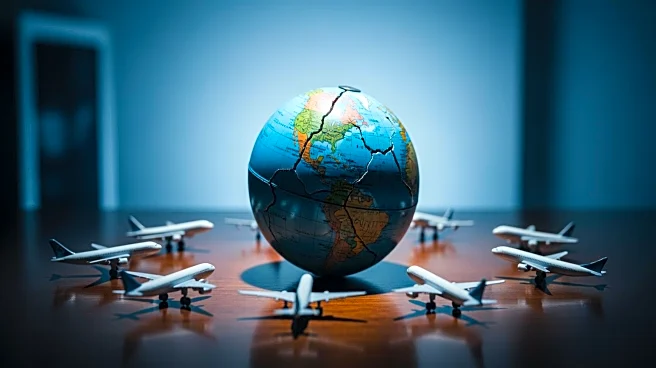
The ongoing conflict in Iran is causing significant disruptions in global air travel, affecting flights even for passengers not directly traveling to the region. Airlines are rerouting flights to avoid conflict zones, leading to longer travel times and
increased ticket prices. The U.S. State Department is advising travelers to enroll in the STEP program for real-time alerts and is encouraging Americans in the Middle East to depart as soon as possible. The situation is reminiscent of past geopolitical events that have impacted air travel, such as the closure of Russian airspace due to the Ukraine conflict.
Why It's Important?
The Iran conflict underscores the vulnerability of global travel to geopolitical events. For U.S. travelers, this means potential delays, increased costs, and the need for flexible travel plans. The disruptions highlight the interconnectedness of global air travel and the impact of foreign policy on American travelers. Airlines and travelers alike must navigate these challenges, balancing safety with operational efficiency. The situation also emphasizes the importance of travel insurance and the need for travelers to stay informed about geopolitical developments that could affect their plans.
What's Next?
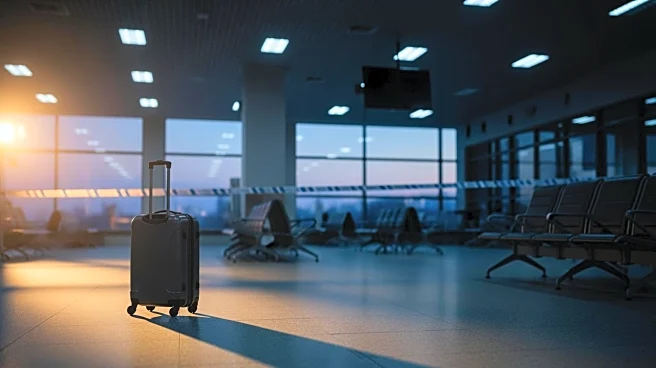
As the conflict in Iran continues, travelers should prepare for ongoing disruptions. Airlines may need to adjust routes and schedules, potentially leading to further delays and cancellations. The U.S. government may expand its advisory and support services for affected travelers, including potential evacuation efforts. Travelers are advised to monitor official channels and maintain flexible travel arrangements. The aviation industry will continue to assess the situation, prioritizing safety while seeking to minimize the impact on passengers.