
What's Happening?
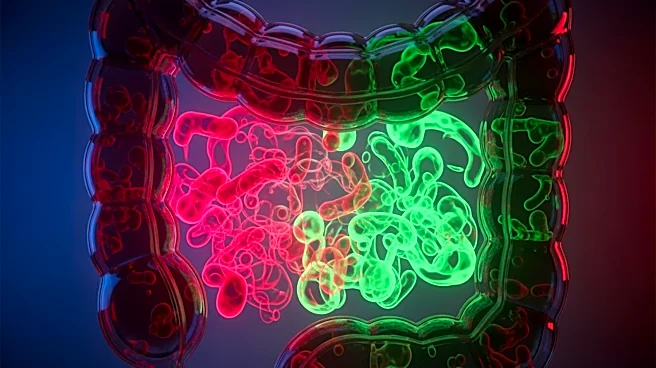
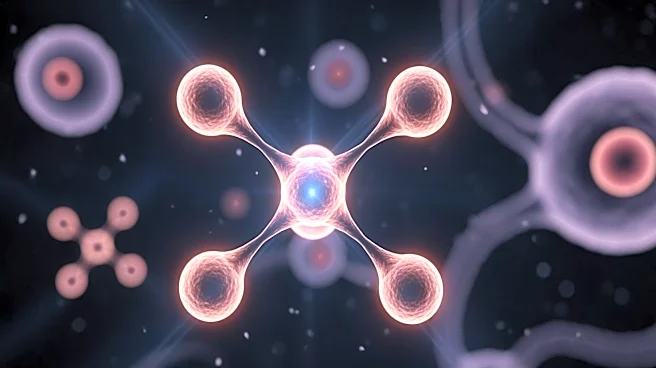
Research has highlighted the role of tetrameric STAT5 in regulating the formation of immune niche cells, which protect stem cell regenerative repair against mucosal inflammation. The study found that tetrameric STAT5 is
crucial for the suppression of gut immune responses, as its depletion leads to increased intestinal epithelial cell hyperplasia and crypt hypertrophy. This condition results in a dramatic infiltration of intra-epithelial lymphocytes and CD3+ T cells at crypt bases. The findings suggest that STAT5 tetramers are necessary for maintaining gut immune suppression and that their absence can lead to exaggerated immune and repair responses in the mucosa.
Why It's Important?
Understanding the role of tetrameric STAT5 in immune cell formation and stem cell repair is significant for developing treatments for inflammatory bowel diseases (IBD) such as ulcerative colitis and Crohn's disease. The research indicates that manipulating STAT5 activity could enhance stem cell regenerative capabilities, offering potential therapeutic strategies for conditions characterized by mucosal inflammation. This could lead to improved management of IBD, reducing symptoms and enhancing patient quality of life. The study's insights into immune cell interactions and stem cell repair mechanisms are valuable for medical research and could influence future drug development.