


What's Happening?
Two U.S. Navy warships, the USS Tulsa and USS Santa Barbara, unexpectedly relocated from the Persian Gulf to Malaysia, raising questions about U.S. naval strategy in the region. These ships, part of the U.S. Fifth Fleet's mine-hunting force, were last
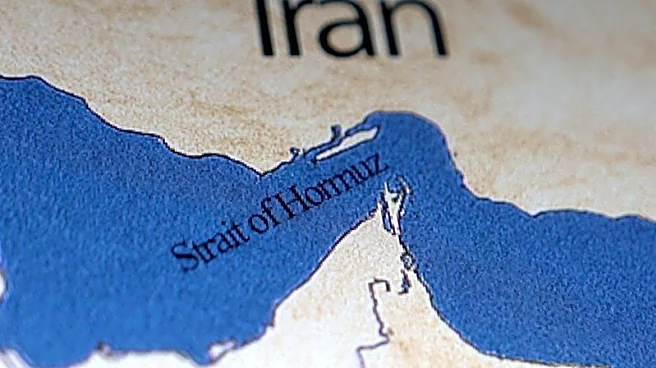
seen operating out of Bahrain. Their sudden appearance at a Malaysian container terminal, 3,500 miles away, coincides with escalating tensions with Iran. The Navy has not clarified the reason for their relocation or whether they will return to the Gulf. The ships are equipped with mine countermeasures mission packages, a critical role given the strategic importance of the Strait of Hormuz.
Why It's Important?
The relocation of these warships could impact U.S. naval capabilities in the Middle East, particularly in mine countermeasure operations. The Strait of Hormuz is a vital waterway for global oil traffic, and any reduction in U.S. naval presence could affect regional security dynamics. The move may also reflect broader strategic adjustments in response to heightened tensions with Iran. The situation underscores the challenges faced by the U.S. Navy in maintaining a robust presence in critical regions while managing logistical and operational constraints.
What's Next?
The U.S. Navy may need to clarify its strategic intentions regarding the deployment of mine countermeasure ships in the Middle East. Potential responses from regional allies and adversaries could influence future naval operations. The situation may prompt discussions on the adequacy of current naval assets and the need for enhanced mine countermeasure capabilities. The Navy's decision on whether to return the ships to the Gulf or maintain their presence in the Pacific will be closely watched by international observers.