







What's Happening?
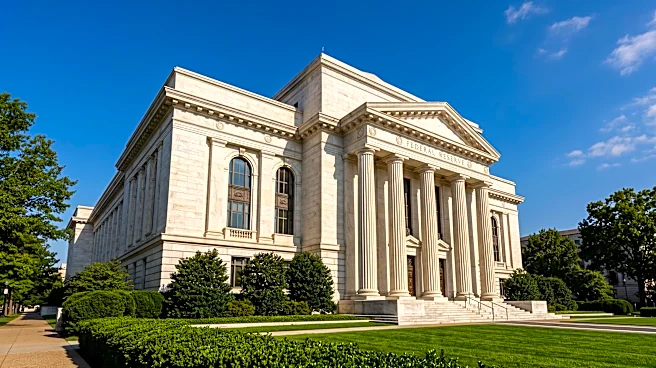
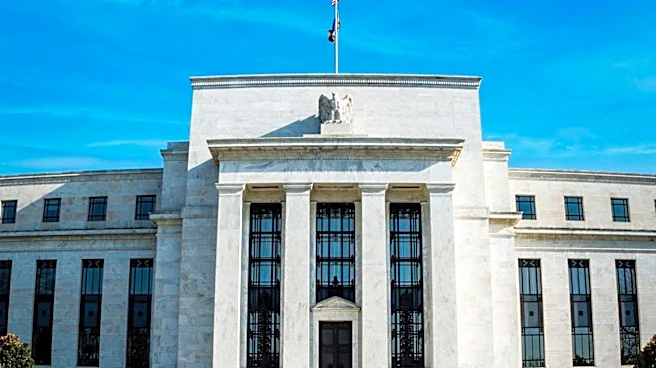
The Federal Reserve, as the central banking system of the United States, plays a crucial role in conducting monetary policy and influencing short-term interest rates. Its decisions are made independently of direct presidential control. Lower interest rates are designed
to encourage borrowing, business investment, and home purchases, thereby stimulating economic activity. Conversely, higher rates aim to restrain demand and prevent inflation from accelerating. During the 1990s, under Chairman Alan Greenspan, the Federal Reserve faced the challenge of balancing economic growth with price stability. For instance, in 1994, as economic recovery strengthened, the Fed raised its target for the federal funds rate from 3% to 6% over approximately a year to preempt inflationary pressures. This aggressive tightening was intended to achieve a 'soft landing'—slowing the economy enough to control inflation without causing a recession. The strategy proved successful, as the expansion continued without a recession. Greenspan also observed that technological advancements and productivity improvements might allow for rapid economic growth without the traditionally expected inflation, leading the Fed to sometimes resist immediate rate hikes despite falling unemployment.
Why It's Important?
The Federal Reserve's independent monetary policy decisions are critical for the stability and growth of the U.S. economy. Its ability to influence interest rates directly impacts the cost of borrowing for businesses and consumers, affecting investment, employment, and overall economic activity. The 'soft landing' achieved in the mid-1990s demonstrated the Fed's capacity to manage economic cycles, preventing both runaway inflation and recession. This period also highlighted the evolving understanding of economic indicators, particularly the relationship between unemployment and inflation, influenced by technological advancements and productivity gains. The Fed's actions during this time contributed to a sustained period of economic expansion, demonstrating how monetary stability can support long-term economic growth. The decisions made by the Federal Reserve have far-reaching implications for various sectors, from housing and manufacturing to financial markets, by shaping the economic environment in which they operate.
What's Next?
The Federal Reserve will continue to monitor economic indicators such as unemployment and inflation to make informed decisions regarding interest rates. Its ongoing challenge is to adapt monetary policy to evolving economic conditions, including technological shifts and global economic factors, to maintain price stability and support maximum employment. Future decisions will likely involve careful consideration of how productivity changes and other structural shifts in the economy might alter traditional economic relationships. The Fed's communication of its policy intentions will remain crucial for guiding market expectations and ensuring economic stability. The institution's independence will continue to be a cornerstone of its ability to make decisions based on economic data rather than political pressures, aiming to foster a stable environment for businesses and consumers.
Beyond the Headlines
The Federal Reserve's role extends beyond mere economic management; it embodies a critical aspect of institutional independence within the U.S. governance structure. Its ability to make monetary policy decisions without direct control from the President or Congress underscores a deliberate design to insulate economic policy from short-term political cycles. This independence is vital for maintaining credibility and making potentially unpopular but necessary decisions, such as raising interest rates to curb inflation, which might otherwise be politically difficult. The 1990s experience also illustrates the dynamic nature of economic theory and policy, where new evidence, such as the impact of technology on productivity, can challenge conventional wisdom and lead to adaptive policy approaches. This continuous learning and adaptation are essential for the Fed to effectively navigate complex economic landscapes and contribute to long-term national prosperity.