







What's Happening?
Researchers have identified a new 'Blue Zone' in Bolotana, a village in central Sardinia, characterized by an exceptionally high concentration of centenarians, particularly among women. The study, which involved researcher Dan Buettner, found that Bolotana's
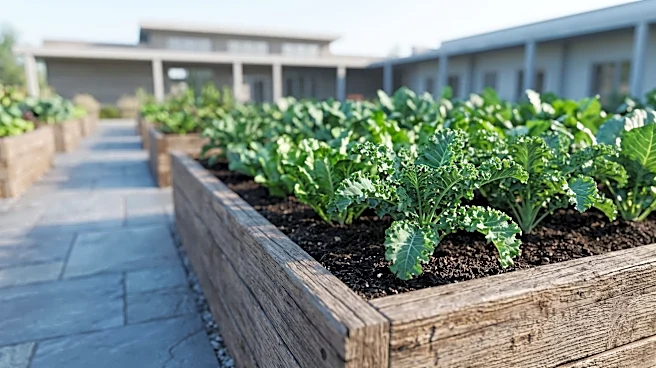
centenarian rate is ten times the Sardinian average and eleven times that of the United States. Women in Bolotana exhibit remarkable late-life survival rates, with 13.83% of those reaching age 70 surviving to 100, placing them second only to Hong Kong in international benchmarks. This new Blue Zone contrasts with Sardinia's original Blue Zone, where exceptional longevity was more pronounced among men. Researchers reviewed historical dietary surveys and interviewed local physicians, noting a largely plant-based traditional diet, local food sourcing, and a lifestyle closely tied to rural traditions and physical activity.
Why It's Important?
The identification of Bolotana as a new Blue Zone provides crucial insights into the factors contributing to exceptional longevity, particularly the pronounced female survival advantage observed. This discovery challenges previous understandings of Blue Zones, which often highlighted male longevity in Sardinia, suggesting that different demographic patterns and contributing factors may exist across communities. For public health and aging research, this offers a unique population to study genetic, behavioral, and social determinants of long life. The findings reinforce the importance of traditional diets, physical activity, and strong social cohesion, which can inform public policy initiatives aimed at promoting healthy aging. Understanding these factors can help develop strategies to improve life expectancy and quality of life in other populations, including those in the U.S., by emphasizing lifestyle interventions over purely medical ones.
What's Next?
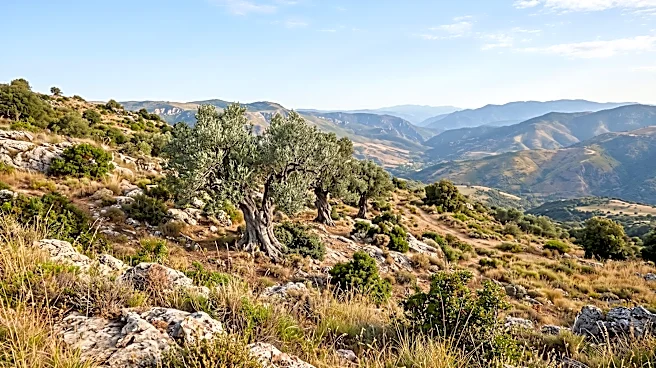
Researchers plan to conduct comparative individual-level studies to evaluate the specific biological, behavioral, and social determinants of exceptional longevity in Bolotana. This next phase of research will aim to determine the precise contributions of diet, physical activity, family support, social cohesion, and access to care to the observed longevity. The recognition of Bolotana as a Blue Zone is expected to bring increased attention to the village, potentially leading to further research funding and community initiatives focused on preserving and understanding these unique lifestyle factors. Local authorities and cultural associations are likely to leverage this designation to promote the area's identity, culture, and traditions, including its agricultural practices and healthy eating habits, such as olive oil production.
Beyond the Headlines
The concept of 'Blue Zones' extends beyond mere demographic statistics; it offers a compelling narrative about the interplay between environment, culture, and human health. The case of Bolotana, with its predominantly female longevity advantage, highlights the complex and varied pathways to a long life, suggesting that there isn't a single universal formula. This discovery could inspire a re-evaluation of gender-specific health interventions and lifestyle recommendations. Furthermore, the emphasis on traditional, locally sourced, plant-based diets and active rural lifestyles in Bolotana underscores the potential health benefits of returning to more ancestral ways of living, contrasting with modern, industrialized lifestyles. This has broader implications for sustainable living, local food systems, and community-building, suggesting that societal structures that foster strong social ties and connection to nature may be as crucial for longevity as individual health choices.