
What's Happening?
Mississippi could incur an estimated $75 million annually in Supplemental Nutrition Assistance Program (SNAP) benefit costs under new federal requirements, effective fiscal year 2028. This comes as food
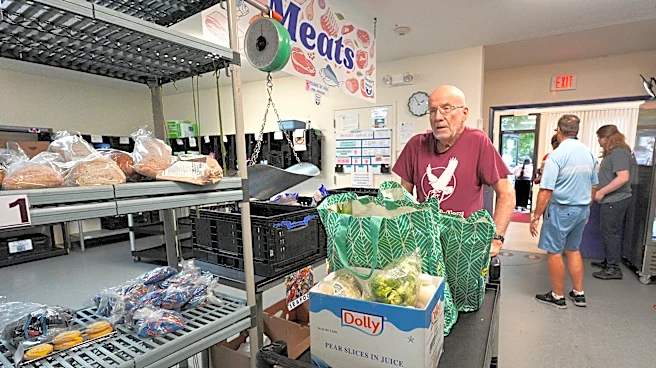
pantries across the state report a significant increase in demand for assistance, with the Mississippi Food Network noting a 36% rise in visits from the previous year. Starting October 1, states will be responsible for 75% of SNAP administrative costs, up from 50%. Additionally, states may have to contribute directly to SNAP benefit costs based on their payment error rates. Mississippi's fiscal year 2025 payment error rate was 9.51%, which, if maintained, would place the state in the 10% cost-share tier, leading to the $75 million annual cost. Governor Tate Reeves has stated that reducing Mississippi's error rate below 8% is a priority, which would lower the state's annual cost to an estimated $40 million.
Why It's Important?
The potential increase in SNAP costs poses a significant financial challenge for Mississippi, diverting state funds that could otherwise be used for other essential services. This shift in federal responsibility places a greater burden on state budgets, especially in a state already grappling with high rates of food insecurity. The rising demand for food assistance, as reported by food pantries, indicates a pressing need for support among Mississippians, making any reduction in federal aid or increased state cost-share particularly impactful. The situation highlights the delicate balance between federal and state funding for social safety nets and the direct consequences these policy changes have on vulnerable populations and state fiscal health. Governor Reeves's focus on reducing the error rate underscores the state's effort to mitigate these financial pressures while continuing to support its citizens.
What's Next?
Mississippi is actively working to reduce its SNAP payment error rate, with Governor Reeves expressing confidence in achieving a rate below 8% before the end of September. If successful, this would significantly reduce the state's annual financial contribution to SNAP benefits. The state will need to implement measures to improve the accuracy of eligibility determinations and benefit calculations. Meanwhile, food assistance organizations like the Mississippi Food Network and university pantries, such as Bully's Pantry at Mississippi State University, will continue to address the rising demand for food assistance. These organizations are also working to raise awareness and reduce the stigma associated with food insecurity, especially among college students. The federal changes will likely prompt a reevaluation of state-level strategies for managing and funding social welfare programs.
Beyond the Headlines
The escalating costs and increased demand for SNAP benefits in Mississippi reveal deeper societal and economic challenges, including persistent food insecurity and the need for robust workforce development. Governor Reeves's emphasis on workforce development as a means to reduce dependence on federal assistance points to a long-term strategy of empowering individuals through skills and job opportunities. However, the immediate challenge remains in ensuring that eligible families receive necessary support while the state navigates new federal funding structures. This situation also brings to light the critical role of non-profit food assistance organizations, which act as a crucial buffer against hunger. Their increased demand underscores the limitations of existing safety nets and the complex interplay between economic conditions, federal policies, and local community support in addressing basic human needs.