





What's Happening?
Professor Maria Marco, President of the International Scientific Association for Probiotics and Prebiotics (ISAPP) and a professor in the Department of Food Science and Technology at the University of California, Davis, has been awarded the prestigious
LABIP Award for Mid-Career Senior Researcher. The European Association, LABIP (Lactic Acid Bacteria Industrial Platform), presented the award at the 15th Annual International Symposium on Lactic Acid Bacteria. This recognition highlights Professor Marco's extensive contributions over two decades to understanding the genetics and health benefits of lactic acid bacteria (LAB). Her foundational work began with postdoctoral research in the Netherlands, demonstrating that probiotic lactobacilli are metabolically active in the intestine and responsive to diet. Since establishing her lab at UC Davis in 2008, she has developed an internationally recognized research program focused on fermented foods and how LAB and other microorganisms interact within food environments and the mammalian digestive tract. The LABIP award is given every three years to scientists demonstrating 'outstanding excellence in LAB research with industrial relevance,' with candidates evaluated on research focus, novelty, rigor, relevance to industry, and interpersonal skills.
Why It's Important?
Professor Marco's recognition underscores the growing importance of understanding the microbiome and its impact on health, a field with significant implications for the U.S. food industry and public health. Her research on lactic acid bacteria (LAB) directly contributes to advancements in fermented foods, which are gaining popularity for their potential health benefits. By exploring the genetic diversity and functional attributes of LAB, her work can lead to the development of new food products and improved fermentation processes, benefiting both home fermenting enthusiasts and large-scale food manufacturers. This research also has broader implications for digestive health and immune function, potentially influencing dietary guidelines and consumer choices in the U.S. The award from a European association like LABIP highlights the global collaborative nature of scientific research and the international recognition of U.S.-based scientists in this critical area. Her leadership in defining fermented foods and gut health through ISAPP further solidifies the scientific foundation for these concepts, impacting research directions and product development across the U.S. and beyond.
What's Next?
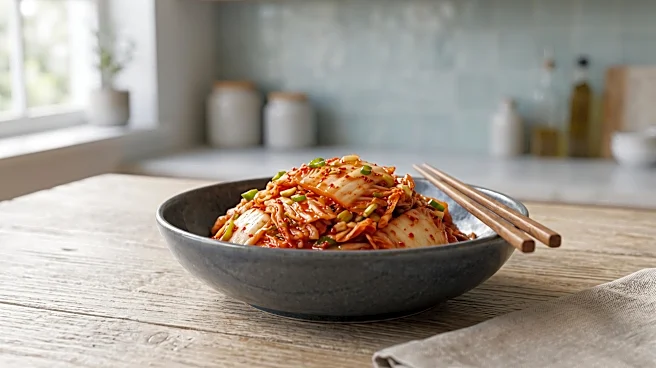
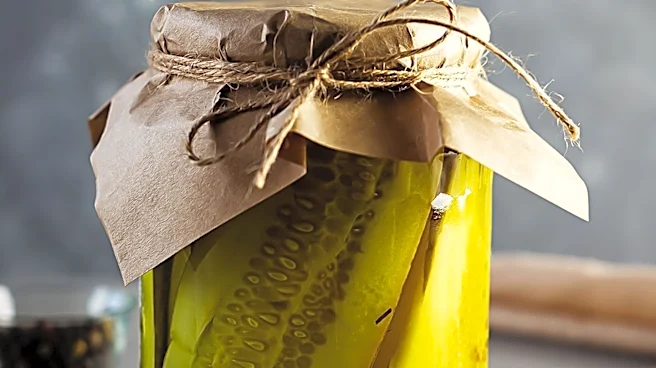
Professor Marco's continued research at UC Davis will likely further advance the understanding of microbiome ecosystems and their health impacts. Her lab's EATLAC project, focused on developing recipes for cabbage, berry, and pepper fermentations, suggests future innovations in fermented food products with applications for both home use and industrial manufacturing. This could lead to new product lines in the U.S. food market and increased consumer awareness of the benefits of fermented foods. As ISAPP's President, her influence will continue to shape scientific consensus and research priorities in probiotics and prebiotics, potentially guiding future regulatory frameworks and industry standards in the U.S. Her ongoing work is expected to contribute to a deeper understanding of how diet influences gut health, which could inform public health initiatives and personalized nutrition strategies. The recognition may also inspire further investment in microbiome research within U.S. academic and industrial sectors.
Beyond the Headlines
The recognition of Professor Marco's work extends beyond immediate scientific achievements, highlighting a broader shift in how food and health are perceived. Her research emphasizes the intricate relationship between diet, gut microbiota, and overall well-being, moving beyond a simplistic view of nutrition. This deeper understanding has ethical implications for food production, encouraging more sustainable and health-conscious practices. Culturally, the increased focus on fermented foods, driven by such research, could lead to a resurgence of traditional food preparation methods and a greater appreciation for microbial diversity in our diets. Legally, the scientific consensus definitions she has helped establish for fermented foods and gut health could influence food labeling regulations and health claims in the U.S., ensuring greater transparency and accuracy for consumers. This development also underscores the importance of interdisciplinary research, combining food science, microbiology, and health, to address complex challenges in public health and nutrition.