




What's Happening?
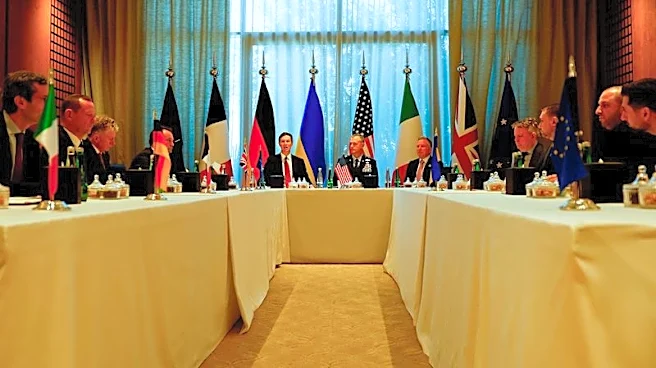
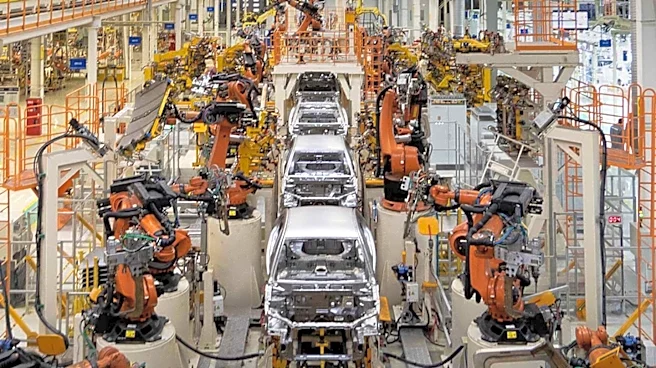
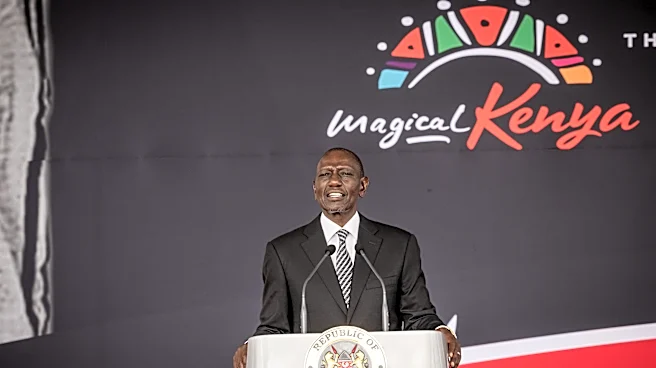
President William Ruto has called upon European investors to significantly increase their investments in Kenya's manufacturing, infrastructure, agriculture, energy, and healthcare sectors. Speaking at State House, Nairobi, during a meeting with EU delegations
serving across Africa, President Ruto emphasized that deeper economic cooperation should translate into job creation and improved livelihoods for Kenyans. He stated that Kenya aims to move beyond traditional trade relations with the European Union (EU) towards partnerships that actively support local production, facilitate technology transfer, and foster industrial growth. President Ruto highlighted the EU Global Gateway Initiative as a crucial platform for Kenya to attract affordable financing for transformative projects. He urged European partners to mobilize resources through concessional and blended financing instruments, ensuring meaningful participation from African enterprises. The President also identified digital transformation as a promising area for cooperation, seeking EU support for Kenya's expanding digital economy. Additionally, he called for more affordable financing to support developing economies without imposing unsustainable financial burdens.
Why It's Important?
This initiative is important as it signals Kenya's strategic shift towards a more robust, self-reliant economic model driven by industrial growth and technological advancement, moving beyond primary commodity exports. Increased European investment in key sectors like manufacturing and infrastructure could significantly boost Kenya's industrial capacity, create numerous employment opportunities, and enhance the country's global competitiveness. The emphasis on technology transfer is crucial for modernizing Kenyan industries and fostering innovation, potentially leading to long-term economic diversification and resilience. By seeking affordable financing, Kenya aims to undertake large-scale development projects without accumulating unsustainable debt, which is a common challenge for developing nations. The focus on digital transformation also positions Kenya to leverage the global digital economy, potentially creating new industries and services. This push for deeper economic cooperation could strengthen Kenya's position as a key economic hub in East Africa, attracting further foreign direct investment and fostering regional economic integration.
What's Next?
Following President Ruto's appeal, the next steps will likely involve detailed discussions and negotiations between Kenyan government officials and European investors and EU representatives. Kenya will need to present compelling investment opportunities and a favorable business environment to attract the desired capital. The effective implementation of the EU Global Gateway Initiative will be critical, requiring clear frameworks for project identification, financing, and execution. Kenya is expected to continue advocating for more accessible and affordable financing mechanisms from European partners. Furthermore, efforts to expand Kenya's digital economy will likely see the development of new policies and infrastructure projects aimed at fostering digital innovation and connectivity. The success of these initiatives will depend on sustained political will, transparent governance, and the ability to create a stable and attractive investment climate. Monitoring the progress of these partnerships will be essential to assess their impact on job creation, technology transfer, and overall economic growth in Kenya.
Beyond the Headlines
Beyond the immediate economic implications, President Ruto's call for increased European investment signifies a broader strategic vision for Kenya's development trajectory. It reflects a desire to reduce reliance on traditional aid models and instead foster genuine partnerships that promote sustainable growth and self-sufficiency. The emphasis on local production and technology transfer could lead to a significant transformation of Kenya's industrial landscape, potentially shifting it from an agrarian economy to a more industrialized one. This approach also carries geopolitical significance, as it strengthens Kenya's ties with European nations, potentially diversifying its international economic relationships. Ethically, the focus on job creation and improved livelihoods underscores a commitment to inclusive growth, aiming to lift more Kenyans out of poverty. The success of these partnerships could serve as a model for other African nations seeking to attract foreign investment that aligns with their national development priorities, emphasizing mutual benefit over exploitative practices. It also highlights the evolving nature of international development cooperation, moving towards more equitable and partnership-based approaches.