







What's Happening?
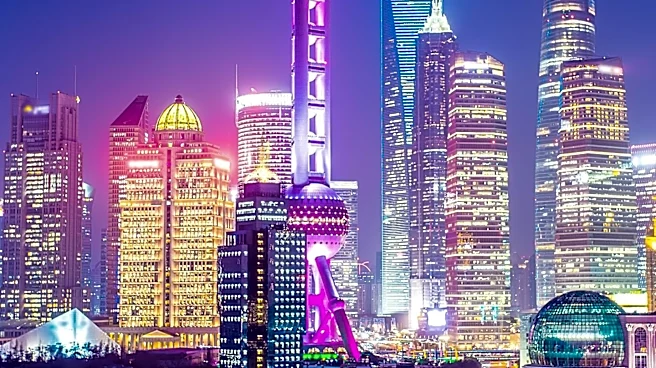
Shanghai has launched 100 AI-powered tourist service terminals across the city to enhance the travel experience for a growing number of summer tourists. These terminals, powered by a dedicated AI agent named Hu Xiaoyou, offer services such as navigation,
real-time translation, attraction recommendations, and ticket booking. They can also generate personalized travel itineraries for users. The terminals' database contains over 84,000 entries on cultural activities, tourist attractions, and sports events in Shanghai, and is directly connected to 14,000 booking and shopping links. The machines support 10 languages, including Chinese, English, Japanese, Korean, French, German, Spanish, Thai, Russian, and Arabic, and accept payments in more than 120 currencies. Located in major hotels, tourism information centers, event venues, key business districts, and scenic spots, these terminals will also be staffed with volunteers to assist visitors. This initiative comes as Shanghai experienced a 27.82% year-on-year increase in inbound tourists, reaching 5.3 million in the first half of this year.
Why It's Important?
This initiative is important as it signifies a significant investment in smart tourism infrastructure, aiming to streamline and enrich the visitor experience in one of China's major international hubs. By offering multilingual support and diverse payment options, Shanghai is positioning itself as a highly accessible and convenient destination for global travelers. The integration of AI for personalized itineraries and real-time information reflects a broader trend in the tourism industry towards leveraging technology to meet evolving traveler expectations. This could set a new standard for urban tourism, potentially influencing other major cities globally to adopt similar AI-driven solutions. For the U.S. tourism sector, this development highlights the competitive landscape and the need for continuous innovation to attract international visitors, especially as global travel patterns shift and technology plays a larger role in travel planning and on-site experiences. The success of Shanghai's model could prompt U.S. cities to explore similar technological upgrades to maintain their appeal.
What's Next?
The functions of these AI-powered terminals are slated for future upgrades, and their footprint will be expanded over time to establish a citywide service network. This suggests a long-term commitment by Shanghai authorities to integrate advanced technology into its tourism infrastructure, aiming for a more comprehensive and seamless visitor experience. The expansion will likely involve deploying more terminals in additional locations and enhancing the AI's capabilities to offer even more sophisticated services. As China continues to upgrade its summer tourism offerings, Shanghai's success with these terminals could serve as a blueprint for other Chinese cities looking to attract inbound travelers. This ongoing development will likely lead to a more interconnected and technologically advanced tourism ecosystem within Shanghai, further solidifying its position as a leading global tourist destination.
Beyond the Headlines
Beyond the immediate benefits to tourists, Shanghai's deployment of AI-powered service terminals reflects a broader strategic push by China to embrace artificial intelligence in public services and economic development. This initiative not only enhances the efficiency of tourism but also serves as a showcase for China's technological prowess and its commitment to digital transformation. The extensive data collected from these terminals, including traveler preferences and popular destinations, could provide valuable insights for urban planning, cultural preservation, and targeted marketing strategies. Furthermore, the emphasis on multilingual support and diverse payment options underscores a global trend towards greater inclusivity and accessibility in travel, potentially influencing international standards for tourist services. This move also highlights the increasing reliance on AI to manage complex urban environments and cater to diverse populations, raising questions about data privacy and the ethical implications of AI in public spaces, which will become increasingly relevant as such technologies become more widespread.