


What's Happening?
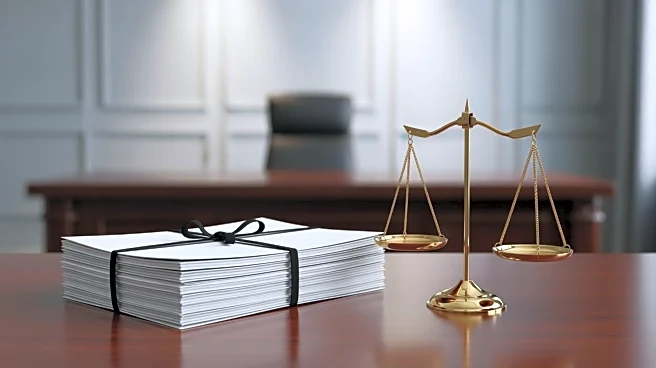
Senator Mark Kelly, a Democrat from Arizona and former Navy pilot, has filed a lawsuit against the Pentagon. The lawsuit challenges a censure issued by Defense Secretary Pete Hegseth, which was a response to Kelly's participation in a video urging military
personnel to resist unlawful orders. The censure, described as a formal letter with limited immediate impact, could lead to Kelly's demotion from his retired rank of captain and a reduction in his retirement pay. Kelly's lawsuit argues that the censure and any related actions are unconstitutional, citing the First Amendment's protection against government retaliation for protected speech. The video in question featured Kelly and five other Democratic lawmakers, all veterans, advocating for military adherence to the Constitution.
Why It's Important?
This legal battle highlights the tension between military discipline and freedom of speech, particularly for lawmakers with military backgrounds. The outcome of this case could set a precedent for how military and government officials handle dissenting opinions within their ranks. If Kelly's lawsuit succeeds, it may reinforce protections for military personnel and lawmakers who speak out against perceived illegal actions. Conversely, if the Pentagon's actions are upheld, it could discourage similar expressions of dissent, potentially impacting how military orders are questioned and followed. This case also underscores the broader political dynamics at play, as it involves high-profile figures and touches on issues of constitutional rights and military governance.
What's Next?
The court's decision on Kelly's lawsuit will be closely watched, as it could influence future interactions between military personnel and government officials regarding the expression of dissent. If the court rules in favor of Kelly, it may embolden other lawmakers and military veterans to speak out against orders they perceive as unlawful. The Pentagon's response to the lawsuit and any subsequent legal actions will also be critical in shaping the narrative around military discipline and freedom of speech. Additionally, the case may prompt discussions within Congress about the balance between military obedience and constitutional rights.