



What's Happening?
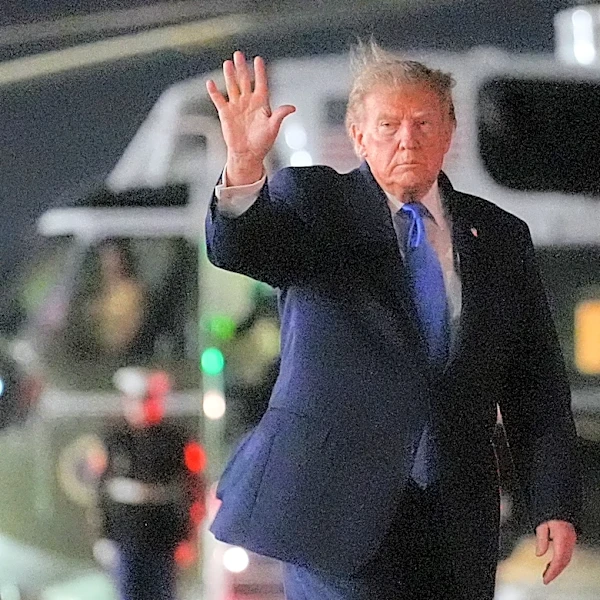
Former Attorney General Bill Barr is advocating for the Supreme Court to rule that climate change lawsuits filed by blue-state politicians against energy companies are a federal issue, not a state matter. Barr made these comments following a discussion
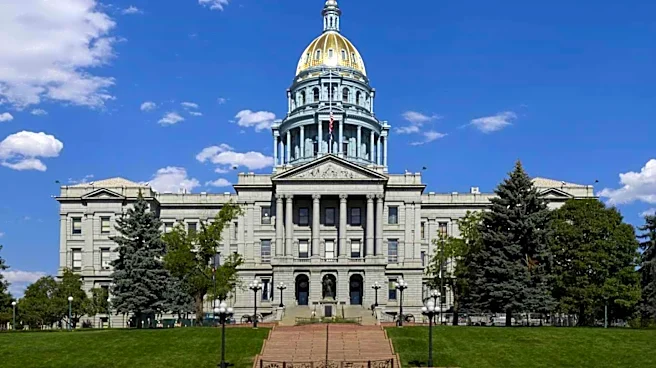
on Energy Security, Innovation & the Rule of Law. Oral arguments are scheduled for October 5 in the case of Suncor Energy v. County Commissioners of Boulder County, where justices will consider whether federal law preempts state-law claims seeking damages for injuries allegedly caused by interstate and international greenhouse gas emissions. The court has also asked parties to address whether it has statutory and constitutional jurisdiction to hear the case before a final judgment in the Colorado litigation. Barr believes the Supreme Court has been slow to address this fundamental issue, which he argues needs quick resolution. The lawsuit in question was filed in 2018 by Boulder County, Colorado, and the city of Boulder, as part of a broader trend of litigation by Democratic-led states and local governments against energy companies like ExxonMobil, Chevron, BP, and ConocoPhillips. These lawsuits seek compensation for costs related to wildfires, flooding, drought, and other alleged climate change consequences.
Why It's Important?
The Supreme Court's decision in this case could have significant implications for the energy industry and the balance of power between federal and state governments in environmental regulation. Barr highlighted that the potential financial exposure for energy companies extends far beyond the Boulder lawsuit, citing estimates of hundreds of billions of dollars in potential damages. He also referenced a 2025 study in Nature that estimated carbon-dioxide and methane emissions caused $28 trillion in global economic losses, which authors presented as a framework for assigning climate liability. If states are allowed to pursue these lawsuits, it could create a patchwork of regulations and liabilities across the country, potentially increasing operational costs for energy companies and impacting energy prices. Conversely, a ruling in favor of federal preemption would centralize climate policy decisions at the federal level, potentially limiting the ability of states and local governments to seek damages for climate-related impacts. This case also touches on the broader debate about whether climate policy should be set by courts or by elected officials through legislative processes.
What's Next?
Oral arguments in Suncor Energy v. County Commissioners of Boulder County are scheduled for October 5. The Supreme Court will first determine its jurisdiction to hear the case before the Colorado litigation reaches a final judgment. Following this, the justices will consider whether federal law preempts state-law claims regarding greenhouse gas emissions. The outcome will likely influence the trajectory of similar climate lawsuits across the U.S. If the Supreme Court rules in favor of federal preemption, it could lead to the dismissal of ongoing state-level climate litigation and deter future lawsuits. Conversely, if states are permitted to proceed, it could open the door for more extensive litigation against energy companies, potentially leading to significant financial liabilities and a shift in how climate change is addressed legally. Major stakeholders, including energy companies, environmental groups, and state and federal lawmakers, will closely monitor the proceedings and the eventual ruling, which could reshape the legal landscape for climate action in the United States.
Beyond the Headlines
This case delves into the fundamental constitutional relationship among states and the federal government, particularly concerning issues of national scope like climate change. Barr argues that allowing state lawsuits to proceed would grant courts policymaking authority that rightfully belongs to elected officials, effectively enabling climate activists to achieve through litigation what they cannot through the political process. Critics of these state-level lawsuits, often referred to as 'lawfare,' contend that they represent an attempt to use the judiciary to set national climate policy, bypassing Congress and the Environmental Protection Agency. The legal strategy of using local nuisance, trespass, and fraud laws against global energy companies has seen mixed success, with some cases proceeding while others have been dismissed. The Supreme Court's 2011 ruling in American Electric Power v. Connecticut, which held that the Clean Air Act displaced federal common-law claims for emissions reductions, provides a precedent, though it did not explicitly address state-law claims. The current case will clarify the extent to which federal environmental laws preempt state-level actions, potentially redefining the boundaries of state sovereignty in addressing interstate and international environmental issues.