



What's Happening?
The integration of artificial intelligence into virtual reality (VR) and the metaverse is transforming immersive experiences by enabling generative worlds, smart avatars, and spatial assistants. AI is being embedded across the XR stack, enhancing hardware,
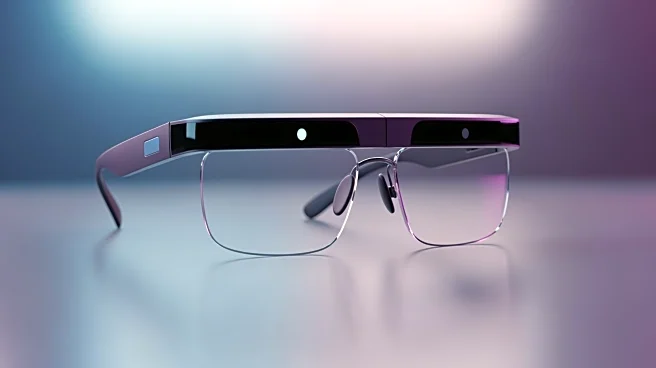
operating systems, and content creation. This shift allows for dynamic environments that can be customized and moderated at scale, with characters capable of autonomous interactions. Recent developments include Netflix's acquisition of Ready Player Me for cross-game avatars, HTC's open AI smartglasses, and Apple's SHARP technology for 3D photo rendering. These advancements are driving a new wave of AI-powered immersion, making virtual environments more responsive and personalized.
Why It's Important?
The integration of AI into VR and the metaverse is significant as it enhances user engagement by creating more interactive and personalized experiences. This technological evolution could redefine how users interact with digital environments, making them more intuitive and lifelike. The ability to generate and customize virtual worlds on demand could revolutionize industries such as gaming, education, and remote work. Additionally, AI-driven avatars and environments could facilitate new forms of social interaction and collaboration, potentially leading to broader adoption of VR technologies. As AI continues to advance, it may also address current limitations in VR, such as latency and rendering challenges.
What's Next?
As AI continues to be integrated into VR and the metaverse, we can expect further advancements in immersive technology. Companies will likely focus on improving AI capabilities to enhance user experience and expand the applications of VR across various sectors. The development of AI-native headsets and operating systems will be crucial in standardizing immersive experiences across devices. Additionally, the industry will need to address challenges related to privacy, safety, and compute efficiency to ensure the sustainable growth of AI-driven VR technologies. The coming years may see increased collaboration between tech companies to create interoperable and scalable VR ecosystems.