

What's Happening?
Iran is currently experiencing one of the most severe internet shutdowns in its history, with 92 million citizens cut off from internet services, including disruptions to phone and text messaging. The shutdown, initiated on January 8, 2026, is reportedly
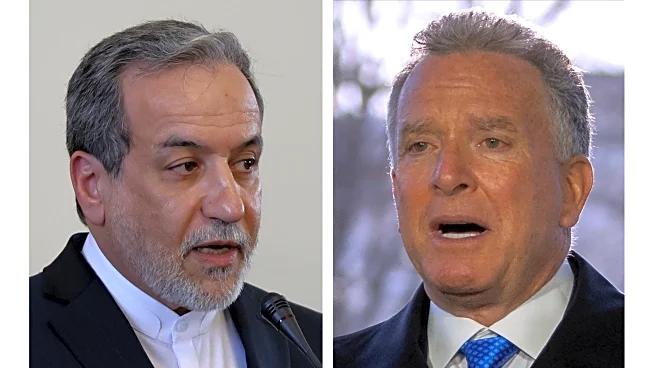
a government response to suppress dissent and prevent international scrutiny of its crackdown on protesters. Iranian Foreign Minister Abbas Araghchi cited 'terrorist operations' as the reason for the shutdown. Reports suggest that the government may be planning to make these restrictions permanent, with international web access potentially unavailable until at least late March. Internet freedom observers believe the government is implementing new systems to isolate Iran from the global internet, a move that could lead to increased digital isolation and surveillance.
Why It's Important?
The internet shutdown in Iran has significant implications for both the country's citizens and the international community. It restricts access to essential services, impacting livelihoods, particularly in e-commerce, and limits the ability of citizens to communicate and organize. The shutdown also raises concerns about human rights abuses, as it allows the government to conceal actions against protesters. Internationally, this move could set a precedent for other authoritarian regimes to follow, potentially leading to increased digital isolation and control. The situation highlights the ongoing struggle between government control and internet freedom, with potential long-term impacts on global internet governance and human rights advocacy.
What's Next?
If the Iranian government proceeds with its plans, the country could see a shift towards a more controlled and isolated internet environment, similar to systems in China and Russia. This could involve a tiered access system, where global internet access is subject to government approval. The implementation of such a system may face challenges due to internal power dynamics and economic pressures. Additionally, the international community may respond with increased advocacy for internet freedom and human rights, potentially leading to diplomatic tensions. The situation remains fluid, with the potential for further developments as the Iranian New Year approaches.
Beyond the Headlines
The shutdown in Iran underscores the ethical and legal challenges of internet governance in authoritarian regimes. It raises questions about the balance between national security and individual freedoms, as well as the role of international organizations in advocating for internet freedom. The situation also highlights the resilience of citizens who find ways to circumvent restrictions, such as using VPNs, and the ongoing cat-and-mouse game between governments and internet freedom advocates. Long-term, this could lead to shifts in how internet access is managed globally, with implications for privacy, surveillance, and digital rights.