
What's Happening?
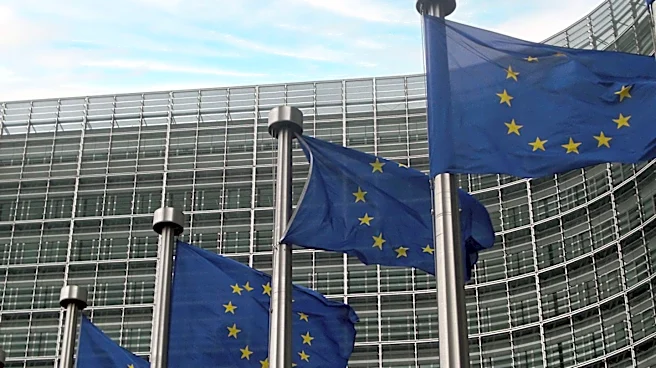
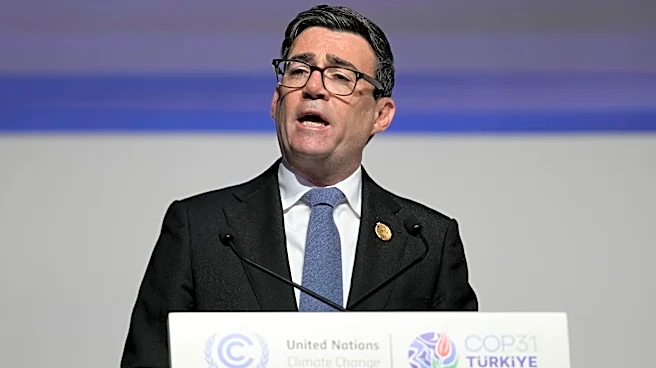
The European Union (EU) is actively working to improve access to climate finance, particularly for the most vulnerable and poorest countries, as highlighted at the COP31 Presidency event in Antalya, Türkiye.
As the world's largest climate finance provider, the EU and its 27 Member States contributed €32.3 billion in public climate finance in 2025, mobilizing an additional €9.3 billion in private finance to support developing countries in reducing greenhouse gas emissions and adapting to climate change impacts. The EU is collaborating with partner countries, international financial institutions, and the private sector to make climate finance more accessible, faster to deliver, and better targeted. This includes ensuring that investments effectively cut emissions, build resilience, and support locally-owned solutions. Innovative financial instruments are being developed to unlock climate finance without increasing debt burdens, such as a $150 million European Investment Bank (EIB) guarantee in Barbados, which generated $125 million in fiscal savings for climate-resilient water and wastewater investments.
Why It's Important?
The EU's efforts are crucial because climate finance remains unevenly distributed, with only a fraction reaching Small Island Developing States (SIDS) and Least Developed Countries (LDCs), despite their high vulnerability to climate change. By focusing on these regions, the EU aims to address critical funding gaps and ensure that climate action is equitable. The use of public resources to de-risk and attract private investment is essential for scaling up climate finance. Initiatives like the EU-EIB Global Gateway Support Facility and the Global Covenant of Mayors for Sub-Saharan Africa are building pipelines of investment-ready projects, helping countries translate national adaptation priorities into investable projects. Furthermore, the EIB's ClimateSET tool, developed with the Copernicus Climate Change Service, provides open-access climate data to inform investment decisions, enhancing the effectiveness and impact of climate finance.
What's Next?
The EU will continue to implement its strategy to make climate finance more accessible and effective. This involves ongoing collaboration with international partners and financial institutions to refine and expand innovative financial instruments. The focus will remain on supporting countries in designing their own strategies for financing sustainable development, in line with national climate and adaptation plans. Efforts to bundle smaller projects into larger programs will also continue to attract more investors. The EU's Global Green Bond Initiative (GGBI) aims to mobilize up to €20 billion in private capital for sustainable investment in partner countries through green bonds, while simultaneously developing robust domestic green bond markets. These initiatives are part of a wider global effort to implement the New Collective Quantified Goal on Climate Finance agreed at COP29, ensuring that climate finance is responsive to local needs and priorities.
Beyond the Headlines
The EU's comprehensive approach to climate finance extends beyond mere monetary contributions; it encompasses institutional strengthening, data-driven decision-making, and the promotion of locally-led solutions. By supporting initiatives like the Integrated National Financing Framework (INFF) Facility and the OECS Climate Finance Action Platform, the EU is fostering long-term capacity within vulnerable nations to manage climate finance and integrate climate action into public policies. This holistic strategy addresses not only the immediate financial needs but also the underlying systemic challenges that hinder effective climate action. The emphasis on innovative financial instruments, such as the Climate Resilient Debt Clause, demonstrates a forward-thinking approach to managing climate-related financial risks, offering greater repayment flexibility in the face of severe climate shocks. This could set a precedent for future international financial agreements, promoting greater resilience and stability for climate-vulnerable economies.