





What's Happening?
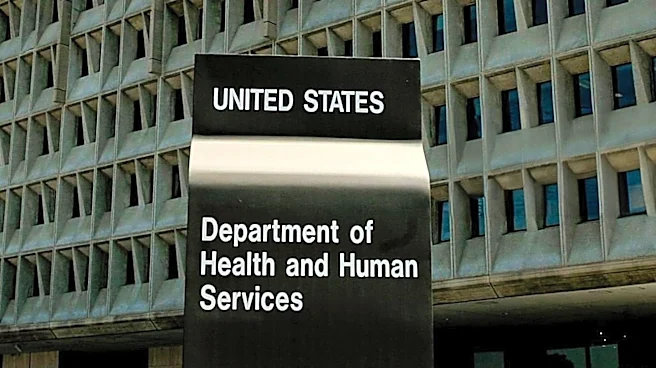
The U.S. Department of Labor (DOL) has issued a final rule rescinding 29 CFR Part 42, which previously established formal procedures for coordination among the Wage and Hour Division (WHD), Occupational Safety and Health Administration (OSHA), and Employment
and Training Administration (ETA) in enforcing labor protections for migrant and seasonal farmworkers. The DOL concluded that these regulations are outdated, no longer reflect the agency's organizational structure or enforcement practices, and are unnecessary given current coordination mechanisms. The rescission eliminates formal requirements for national and regional farm labor coordinated enforcement committees, designated agency contacts, coordination plans, and related meeting obligations. This final rule is effective September 30, 2026.
Why It's Important?
This decision by the Department of Labor is important because it alters the formal structure of how federal agencies coordinate efforts to protect a vulnerable segment of the U.S. workforce: migrant and seasonal farmworkers. While the DOL asserts that the rescission will not diminish farmworker protections and that coordination will continue through existing mechanisms like interagency working groups and task forces, the removal of formal, codified procedures could raise concerns among worker advocacy groups. Farmworkers often face unique challenges, including language barriers, temporary employment, and potential exposure to hazardous conditions, making robust and coordinated enforcement crucial. The effectiveness of informal coordination mechanisms in maintaining the same level of protection and oversight as formal regulations will be a key point of observation. This change could impact how quickly and efficiently violations are addressed, potentially affecting the health, safety, and wage standards of thousands of farmworkers across the country.
What's Next?
Following the effective date of September 30, 2026, the WHD, OSHA, and ETA will rely on existing mechanisms to coordinate enforcement and outreach activities. These include interagency working groups, task forces, joint initiatives, referrals, and stakeholder engagement efforts. The DOL maintains that the need for coordinated migrant farmworker labor law enforcement remains a priority and that numerous steps are already in place to ensure effective coordination. Employers utilizing agricultural workers, including H-2A visa workers, should be aware that this rule primarily concerns the DOL's internal enforcement coordination procedures and does not alter substantive employment eligibility, wage, housing, transportation, or worker protection requirements. Stakeholders, including farmworker advocacy groups and employers, will likely monitor the impact of this change on enforcement efficacy and worker protections. The DOL's commitment to ensuring compliance with labor laws for farmworkers will be tested through the performance of these alternative coordination methods.
Beyond the Headlines
The rescission of formal coordination regulations for farmworker protections touches upon broader themes of regulatory efficiency versus the need for explicit safeguards for vulnerable populations. While the DOL frames this as a move to streamline outdated processes, critics might argue that formal structures provide a clearer framework for accountability and consistent enforcement, especially in areas where workers may be less empowered to advocate for themselves. The reliance on informal mechanisms, while potentially more flexible, could also be perceived as less transparent or less binding, potentially leading to inconsistencies in enforcement across different regions or administrations. This decision highlights the ongoing tension between reducing regulatory burdens and ensuring robust protection for workers, particularly those in sectors with historically high rates of labor violations and safety concerns. The long-term implications will depend on how effectively the alternative coordination strategies are implemented and whether they genuinely maintain or improve the safety and well-being of migrant and seasonal farmworkers.