




What's Happening?
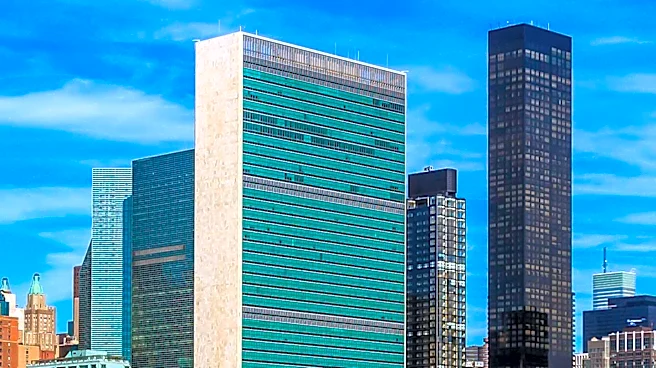
The United Nations has released $160 million in emergency funding to address 12 underfunded humanitarian crises across the globe. This allocation, announced by the UN Office for the Coordination of Humanitarian Affairs (OCHA) on October 2, will support
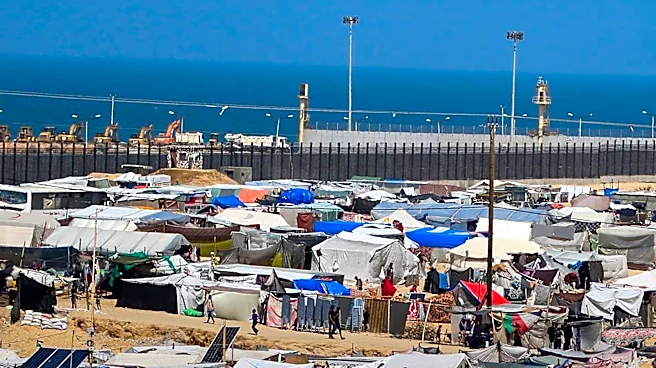
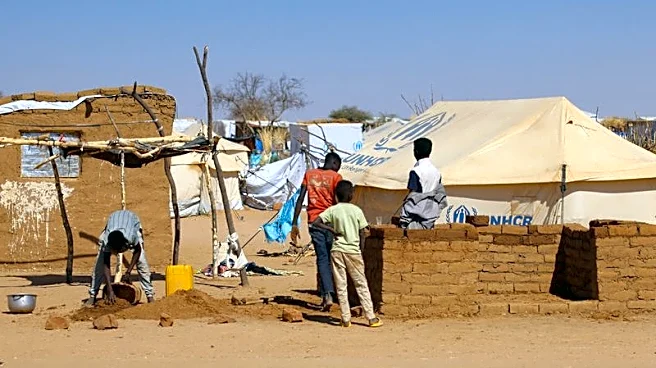
urgent operations in eight African nations: Burkina Faso, Cameroon, Chad, Mali, Niger, Somalia, South Sudan, and Sudan. Additionally, four crises outside Africa will receive funding: Yemen, Afghanistan, the Occupied Palestinian Territory, and Cuba. The funding is channeled through the UN Central Emergency Response Fund (CERF), which is designed to provide rapid financial support for life-saving humanitarian operations. Tom Fletcher, Under-Secretary-General for Humanitarian Affairs and Emergency Relief Coordinator, emphasized the urgency, stating that 87 million people need to be reached and that political will is crucial to ensure access and remove obstacles for aid delivery. A specific portion of $10 million from this allocation is designated to address the needs of people with disabilities in these 12 crises, aiming to make humanitarian assistance more accessible and inclusive.
Why It's Important?
This significant allocation of $160 million underscores the persistent and critical need for humanitarian aid in regions facing severe crises, many of which are often overlooked or underfunded. The UN's emphasis on rapid funding through CERF highlights the immediate and life-saving nature of these interventions, particularly in areas affected by conflict and natural disasters. The inclusion of a dedicated $10 million for people with disabilities is a crucial step towards more inclusive humanitarian responses, recognizing that this vulnerable group often faces compounded challenges in crisis situations. By targeting both African nations and other global hotspots like Yemen and Afghanistan, the UN aims to mitigate widespread suffering and prevent further deterioration of humanitarian conditions. The statement from Tom Fletcher also brings to light the broader challenge beyond financial aid, stressing that political will and unhindered access are equally vital for effective humanitarian action, indicating that funding alone cannot solve these complex crises.
What's Next?
The immediate next step involves the deployment of these funds to support urgent humanitarian operations in the identified 12 crisis areas. This will entail the implementation of various aid programs, including food security, health services, and shelter, tailored to the specific needs of each region. The $10 million allocated for people with disabilities will be utilized to enhance accessibility and inclusivity in humanitarian assistance, potentially through specialized support services and infrastructure adjustments. The UN, through OCHA and CERF, will continue to monitor the effectiveness of these interventions and assess ongoing needs. However, as highlighted by Tom Fletcher, the success of these efforts will also depend on the political will of local leaders to ensure open access for aid workers and the removal of any obstacles that hinder the delivery of assistance. Continued advocacy for unhindered humanitarian access will be a critical component of future efforts.
Beyond the Headlines
This UN funding initiative, while crucial, also brings to light deeper systemic issues within global humanitarian efforts. The recurring need for emergency allocations to 'underfunded' crises suggests a persistent gap in sustained international support for certain regions, often those with complex political landscapes or prolonged conflicts. The emphasis on political will by the Under-Secretary-General for Humanitarian Affairs points to the intricate interplay between humanitarian action and geopolitical realities. Aid effectiveness is not solely a matter of financial resources but is heavily influenced by governance, security, and the willingness of state and non-state actors to facilitate assistance. Furthermore, the specific allocation for people with disabilities highlights a growing recognition of the need for intersectional approaches in humanitarian aid, acknowledging that vulnerabilities are not uniform and require tailored responses. This move could set a precedent for future aid allocations to prioritize marginalized groups, fostering a more equitable and comprehensive humanitarian framework.