


What's Happening?
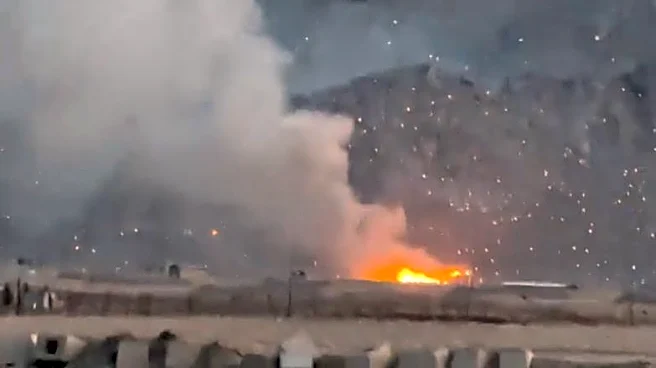
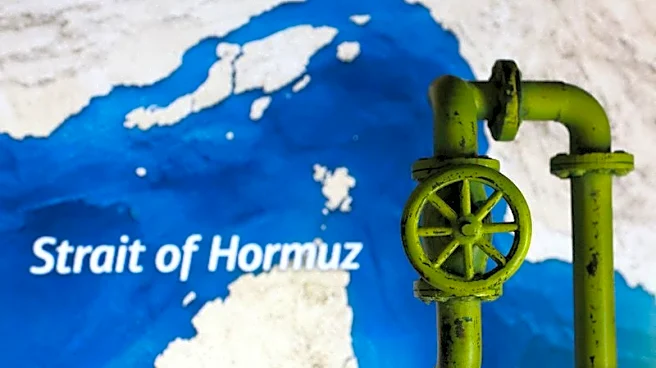
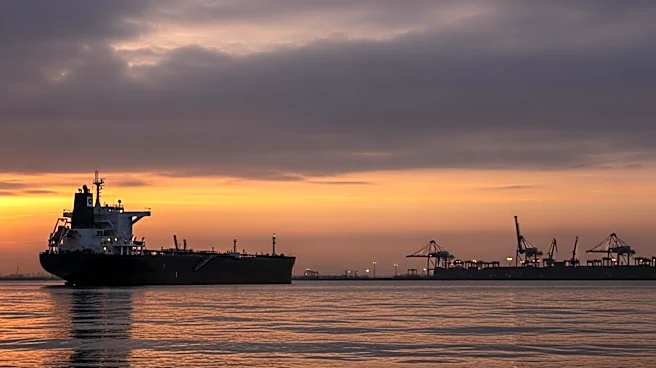
The ongoing conflict in the Middle East has severely disrupted shipping traffic through the Strait of Hormuz, a critical passageway for global oil supply. Tanker traffic has decreased by approximately 90%, with many vessels anchored or sheltering in the Gulf.
Major shipping companies like Maersk, MSC, Hapag-Lloyd, and CMA CGM have suspended transits, and insurers have withdrawn war risk coverage, leading to volatile freight rates. The Strait typically handles about a fifth of the world's oil supply, but current disruptions have significantly impacted importers in Asia and Europe, as well as fast-growing economies in Africa. Africa's demand for LPG and refined products has been particularly affected, straining markets and shortening timelines for commoditized purchases.
Why It's Important?
The disruption in the Strait of Hormuz has highlighted vulnerabilities in global energy supply chains, particularly for regions with rapidly growing energy demands like Africa. The crisis underscores the need for flexible shipping strategies and infrastructure improvements to accommodate varying vessel sizes and delivery frequencies. Companies that have developed hybridized logistics strategies, such as Vitol, Trafigura, and BGN Group, are better positioned to navigate these challenges. These strategies include using mid-sized vessels for legacy ports and electrified feeders for short-distance redistribution. The situation also emphasizes the strategic importance of reducing oil dependence and investing in zero-emission technologies.
What's Next?
As the crisis continues, stakeholders may focus on enhancing port infrastructure and developing hybrid shipping models to ensure reliable energy supply. Multilateral lenders and port development programs could accelerate the establishment of charging infrastructure for battery-electric vessels, treating coastal electrification as logistics infrastructure. Additionally, digital infrastructure advancements, such as AI-driven monitoring and optimization, could play a crucial role in maintaining resilient supply chains. The need for increased flexibility in shipping networks may drive further innovation in logistics strategies.
Beyond the Headlines
The Hormuz crisis has broader implications for global energy security and the transition to sustainable shipping practices. The emphasis on hybridized logistics strategies could lead to long-term shifts in how energy is distributed, potentially reducing reliance on traditional oil routes. The integration of AI and digital infrastructure in shipping could enhance efficiency and security, supporting the growth of emerging markets. These developments may also influence geopolitical dynamics, as countries seek to diversify energy sources and reduce strategic vulnerabilities.