

What's Happening?
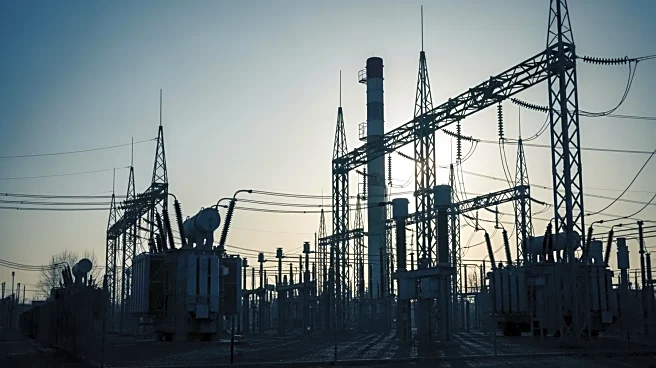
Cuba experienced a nationwide blackout for the third time in March due to a failure at the Nuevitas thermoelectric plant. The state-owned National Electric Union reported a cascading effect that led to the outage, affecting vital services like hospitals
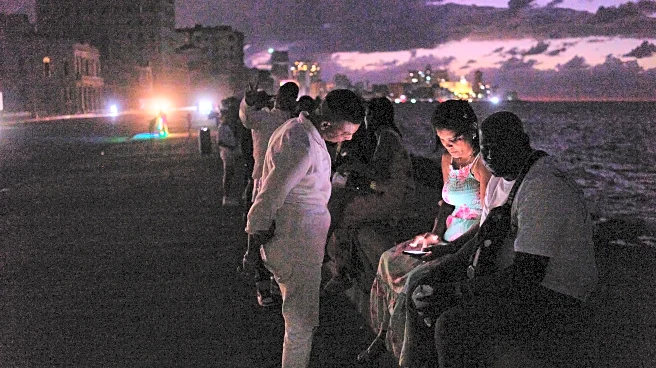
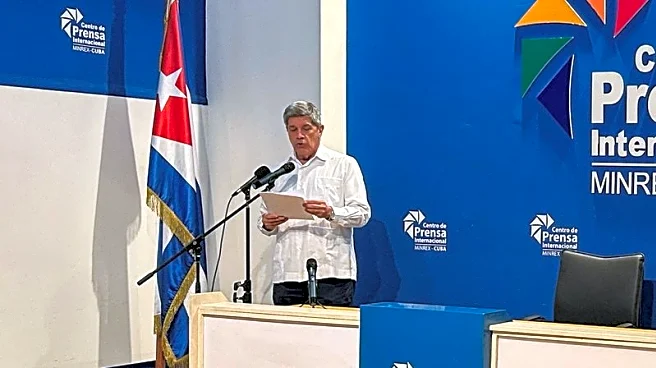
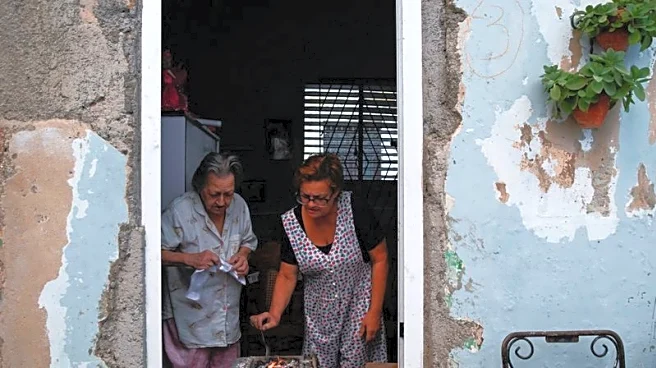
and water systems. The Cuban government attributes these frequent outages to aging infrastructure and a U.S.-imposed oil blockade. President Miguel Díaz-Canel has stated that Cuba has not received oil from foreign suppliers for three months, exacerbating the situation. The blackouts have significantly disrupted daily life, causing reduced work hours and food spoilage.
Why It's Important?
The recurring power outages in Cuba highlight the severe impact of infrastructure decay and international sanctions on the country's economy and daily life. The U.S. oil blockade, part of broader sanctions, aims to pressure Cuba into political and economic reforms. However, these measures also contribute to the hardships faced by ordinary Cubans. The situation underscores the complex interplay between international politics and domestic challenges, as Cuba struggles to maintain essential services amidst external pressures. The ongoing energy crisis could lead to increased social unrest and further strain U.S.-Cuba relations.
What's Next?
Cuban authorities are working to restore power and stabilize the grid, but the underlying issues of fuel shortages and infrastructure decay remain unresolved. The Cuban government may seek alternative energy sources or international support to mitigate the crisis. Meanwhile, the U.S. administration's stance on sanctions and potential diplomatic engagement with Cuba could influence future developments. The situation may also prompt discussions on the humanitarian impact of sanctions and the need for sustainable energy solutions in Cuba.