

What's Happening?
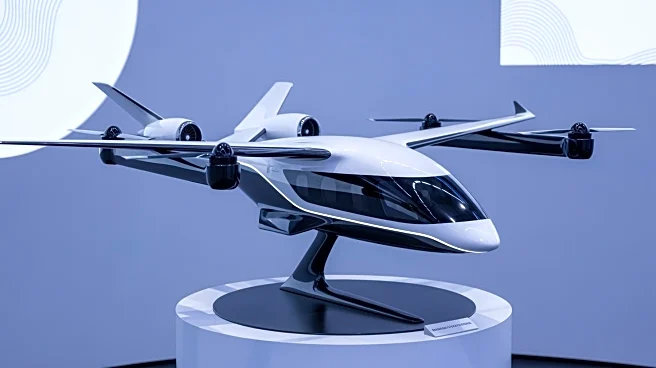
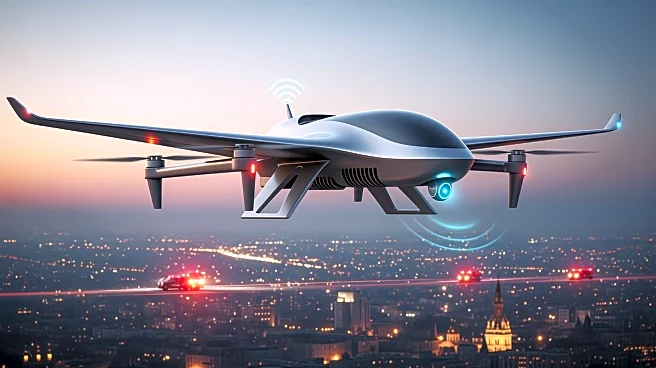
NASA's Advanced Air Mobility Pathfinders (AAMP) project is advancing technologies for urban transportation and emergency response through strategic partnerships and real-world demonstrations. The project focuses on integrating advanced air mobility technologies,
particularly in metropolitan areas, to enable larger-scale urban air mobility. AAMP is enhancing Unmanned Aircraft Systems capabilities for wildfire mitigation and disaster response by transferring Portable Airspace Management System technologies. This initiative aims to enable routine, safe, and efficient Beyond Visual Line of Sight operations. The project is dedicated to demonstrating and validating the safe integration of these technologies, focusing on developing performance requirements for systems like the Portable Airspace Management System and Airspace Service Providers. These efforts are aligned with the AAM National Strategy, ensuring readiness for real-world use in emergency operations and urban transportation.
Why It's Important?
The AAMP project is crucial for the future of urban transportation and emergency response in the United States. By advancing air mobility technologies, NASA is paving the way for safer and more efficient urban air operations, which could revolutionize how cities manage transportation and emergency situations. The integration of these technologies can significantly enhance the capabilities of emergency responders, allowing for quicker and more effective responses to disasters such as wildfires. Additionally, the project supports the development of a new transportation infrastructure that could alleviate urban congestion and reduce reliance on traditional ground transportation. This initiative not only promises to improve public safety and urban mobility but also positions the U.S. as a leader in advanced air mobility technology.
What's Next?
The next steps for the AAMP project involve continued collaboration with government agencies, academia, and industry stakeholders to validate the performance of these new technologies. As these systems are tested and refined, they will be integrated into real-world operations, particularly in urban and emergency settings. The project aims to bridge the gap between research and practical implementation, ensuring that advanced air mobility becomes a trusted solution for everyday transportation and life-saving missions. Future developments may include expanding the scope of these technologies to other areas of transportation and emergency response, further enhancing their impact on society.