




What's Happening?
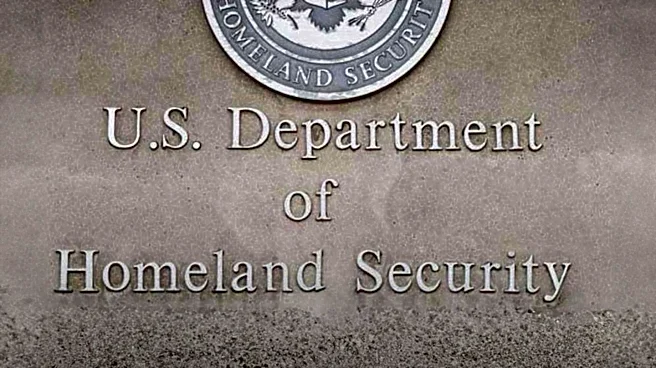
The Department of Homeland Security (DHS) was established on November 25, 2002, following the Homeland Security Act of 2002. This significant reorganization of the U.S. federal government aimed to consolidate fragmented security efforts across 22 different
agencies in response to the 2001 terrorist attacks. DHS is responsible for protecting the United States from terrorism and managing customs and border security. Its vast scope includes components such as U.S. Customs and Border Protection (CBP), U.S. Immigration and Customs Enforcement (ICE), the U.S. Secret Service (USSS), the Transportation Security Administration (TSA), and the Federal Emergency Management Agency (FEMA). The agency's creation was driven by the need for improved coordination and communication among various security entities, which was identified as a critical gap by the 9/11 Commission Report.
Why It's Important?
The establishment of DHS marked a pivotal shift in the U.S. approach to national security, creating a centralized entity to address domestic threats. This consolidation was crucial for enhancing intelligence sharing, border control, and emergency response capabilities, which were previously disparate. The agency's broad mandate, encompassing counter-terrorism, cybersecurity, critical infrastructure protection, and disaster response, makes it a cornerstone of national defense. Its operations directly impact the safety and security of American citizens, the flow of international trade and travel, and the nation's resilience against various threats, from cyberattacks to natural disasters. The integration of multiple agencies under one umbrella aimed to eliminate redundancies and improve efficiency, fundamentally reshaping how the U.S. government protects its homeland.
What's Next?
DHS continues to evolve its strategies and operations to address emerging threats, including sophisticated cybercrime, violent extremism, and biological hazards. The agency is focused on strengthening cybersecurity defenses for national digital infrastructure and protecting critical assets like power grids and financial networks. It also continues to manage immigration enforcement, a function that often faces intense political debate regarding the balance between national security and humanitarian considerations. DHS encourages applications from diverse groups, including veterans and persons with disabilities, for non-competitive federal job appointments, indicating ongoing efforts to build a robust and inclusive workforce. The agency's future will involve continuous adaptation to a dynamic threat landscape and ongoing efforts to balance security measures with civil liberties.
Beyond the Headlines
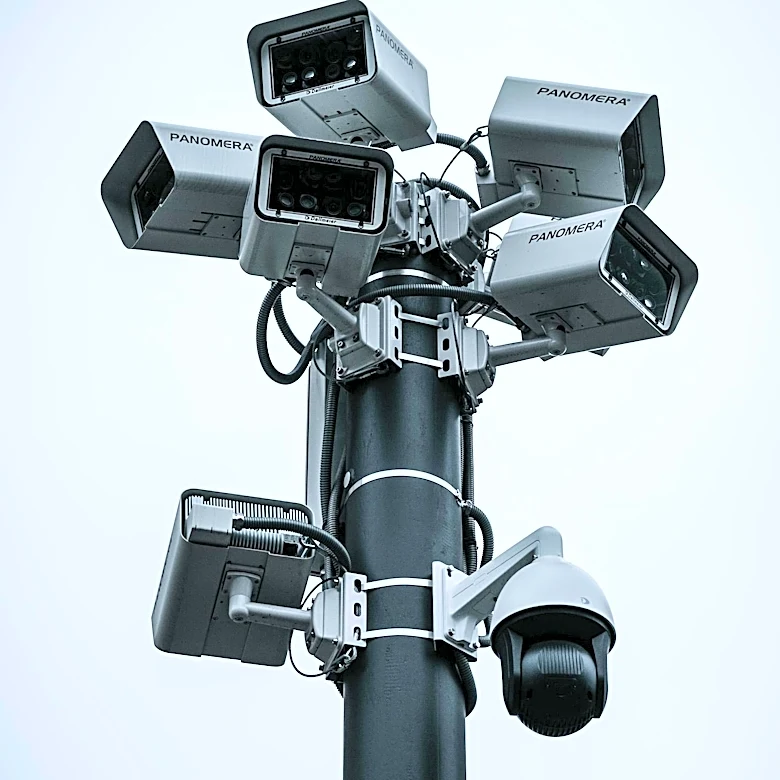
The creation of DHS, while addressing critical security gaps post-9/11, has also sparked ongoing debates regarding civil liberties, privacy, and the balance of power within the federal government. Concerns have been raised by civil liberties organizations about potential privacy invasions and the militarization of domestic law enforcement. The agency's extensive reach and broad powers necessitate continuous scrutiny to ensure accountability and adherence to constitutional rights. The complex integration of 22 agencies under DHS has presented unique challenges in terms of organizational culture, operational consistency, and public perception. Understanding DHS's structure and purpose is essential for comprehending the modern American security state and the intricate environment in which it operates, constantly navigating the tension between security imperatives and democratic values.