
What's Happening?
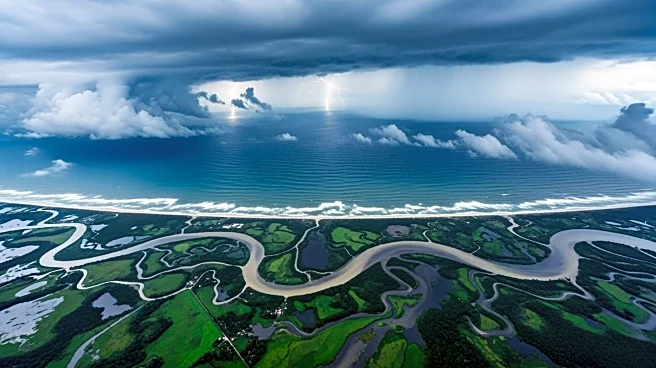
Madagascar has been struck by a second powerful tropical cyclone in less than two weeks. Cyclone Gezani followed Cyclone Fytia, which had already caused significant damage to the island's northwestern coast. Gezani intensified rapidly, reaching Category
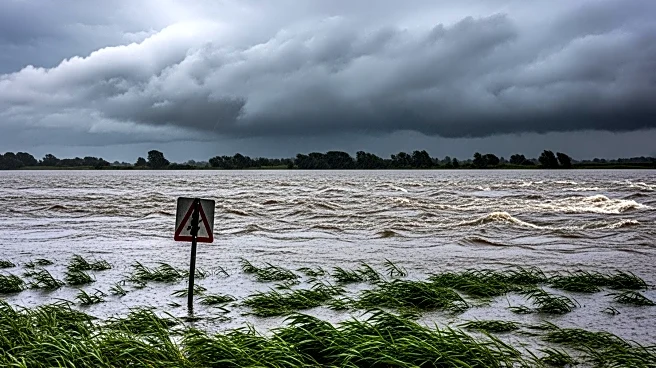
3 hurricane strength with sustained winds of 125 miles per hour as it made landfall. The storm caused severe flooding, particularly in Toamasina, Madagascar's second-largest city, and other areas previously affected by Fytia. The Joint Typhoon Warning Center noted that the storm developed under conditions favorable for strengthening, including warm sea surface temperatures and low wind shear. Preliminary assessments indicate that the cyclone resulted in dozens of deaths, hundreds of injuries, and damage to over 27,000 homes. The flooding has led to power outages, collapsed roofs, and a shortage of clean water in affected areas.
Why It's Important?
The impact of Cyclone Gezani on Madagascar highlights the vulnerability of the island to tropical cyclones, which are becoming more frequent and intense due to climate change. The destruction of homes and infrastructure, along with the loss of crops, poses significant challenges for the local population, many of whom rely on agriculture for their livelihoods. The repeated cyclones exacerbate existing humanitarian needs, requiring urgent international assistance and disaster relief efforts. The situation underscores the importance of improving disaster preparedness and resilience in cyclone-prone regions, as well as addressing the broader implications of climate change on weather patterns and natural disasters.
What's Next?
In the aftermath of Cyclone Gezani, Madagascar will likely focus on recovery and rebuilding efforts. Humanitarian organizations and government agencies are expected to provide emergency aid, including food, water, and medical supplies, to affected communities. Long-term strategies may involve enhancing infrastructure resilience and implementing early warning systems to better prepare for future cyclones. The international community may also play a role in supporting Madagascar's recovery and adaptation efforts, emphasizing the need for global cooperation in addressing climate-related challenges.
Beyond the Headlines
The repeated cyclones in Madagascar raise questions about the long-term impacts of climate change on vulnerable regions. As cyclones become more frequent and severe, there is a growing need to invest in sustainable development and climate adaptation strategies. This includes building resilient infrastructure, promoting sustainable agricultural practices, and enhancing community preparedness. The situation in Madagascar serves as a reminder of the interconnectedness of global climate issues and the importance of collective action to mitigate the effects of climate change.