

What's Happening?
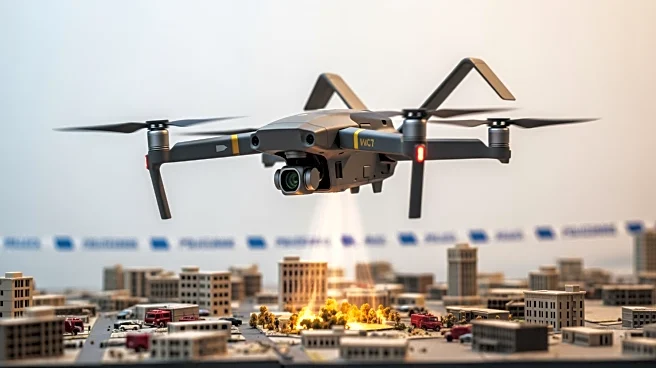
ST Engineering has introduced a new line of small, soldier-class drones designed for urban combat scenarios. The announcement was made at the Singapore Airshow, where the company showcased three models: the Artos, Artex, and Ares. These drones are hand-launched
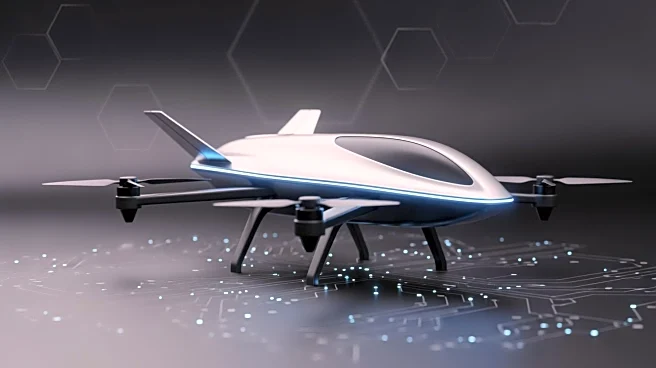
and vary in weight, with the Ares being the lightest at 335 grams and the Artos the heaviest at 1.8 kilograms. The Artos model is capable of carrying a 500-gram payload and can be equipped with a warhead, making it suitable for combat situations. The company plans to begin production of the Artos within the year. Additionally, ST Engineering revealed other uncrewed air systems, including the EagleStrike loitering munition, and a cargo delivery drone, the DrN-600, which is primarily aimed at the commercial market but could have military applications.
Why It's Important?
The development of these soldier-class drones by ST Engineering highlights the growing importance of drone technology in modern warfare, particularly in urban environments. These drones offer a tactical advantage by providing soldiers with a versatile tool for reconnaissance and combat, potentially reducing the risk to human life. The ability to equip drones with warheads further enhances their utility in military operations. As drone technology continues to evolve, it is likely to play an increasingly significant role in defense strategies worldwide. For the U.S., advancements in drone technology by international companies like ST Engineering underscore the need to maintain competitive capabilities in this field to ensure national security and military effectiveness.
What's Next?
ST Engineering's introduction of these drones could prompt further developments in drone technology, both in terms of military applications and commercial uses. The production of the Artos drone is expected to commence this year, which may lead to its deployment in various military operations. Additionally, the potential military spinoffs from the DrN-600 cargo delivery drone could open new avenues for logistical support in combat zones. As these technologies are adopted, there may be increased collaboration or competition among global defense contractors to enhance drone capabilities.