
What's Happening?
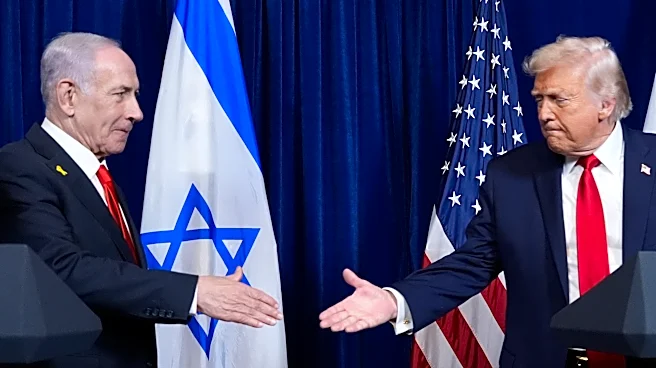
Oil prices fell after Iran and Israel announced a halt to their military strikes, following an appeal from U.S. President Donald Trump. Brent crude futures dropped by 1.4%, while U.S. West Texas Intermediate
declined by 1.9%. The market had previously seen a 5% increase due to renewed hostilities over the weekend. Despite the temporary ceasefire, the situation remains tense, with both sides warning of potential resumption of attacks. The ongoing conflict has led to significant disruptions in the Strait of Hormuz, a key route for global oil supplies.
Why It's Important?
The temporary halt in hostilities between Iran and Israel provides a brief respite for global oil markets, which have been under pressure due to supply disruptions. The Strait of Hormuz is a critical passage for a fifth of the world's crude oil and liquefied natural gas, and any prolonged conflict could lead to severe supply shortages and price spikes. The situation highlights the fragility of global energy markets and the potential for geopolitical tensions to impact economic stability. The U.S. and other major economies must navigate these challenges to ensure energy security and market stability.
What's Next?
The ceasefire between Iran and Israel is fragile, and the potential for renewed conflict remains high. The U.S. and its allies may need to engage in diplomatic efforts to prevent further escalation and ensure the stability of global energy supplies. Additionally, the market will closely monitor oil inventory levels, as dangerously low stockpiles could lead to a race for available barrels, pushing prices back up. The situation underscores the need for strategic planning and international cooperation to address the vulnerabilities in global energy markets.