




What's Happening?
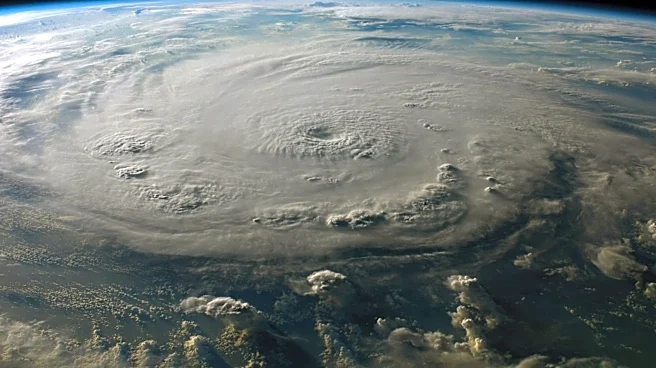
The National Oceanic and Atmospheric Administration (NOAA) has predicted a below-normal Atlantic hurricane season for 2026, with expectations of eight to 14 named storms and three to six hurricanes. This forecast is influenced by the developing El Niño,
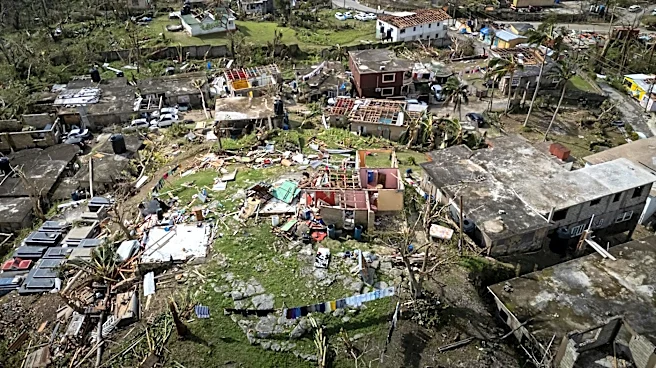
which is known to suppress hurricane formation by increasing atmospheric wind shear. Despite the below-average forecast, NOAA warns that even a single storm can cause significant damage, as evidenced by past hurricanes like Andrew in 1992. The Atlantic hurricane season runs from June 1 to November 30, with peak activity typically occurring in September.
Why It's Important?
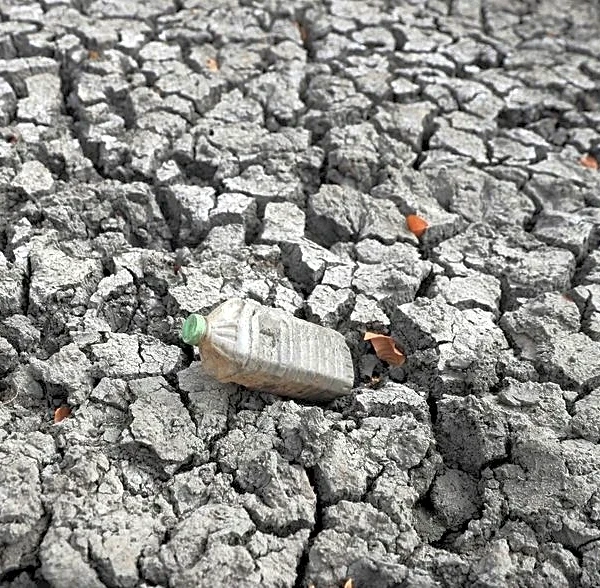
The anticipated reduction in hurricane activity could decrease the risk of severe weather events and associated economic disruptions in the Atlantic region. However, the presence of El Niño may also lead to other climate-related challenges, such as increased temperatures and altered precipitation patterns. The forecast highlights the importance of preparedness, as the potential for significant damage remains, particularly in vulnerable coastal and inland areas. The influence of El Niño on weather patterns will be closely monitored, with implications for climate and environmental conditions across the U.S.
What's Next?
As the season progresses, NOAA and other meteorological agencies will continue to track the development of El Niño and its impact on hurricane activity. Emergency management agencies and local governments are likely to focus on preparedness measures to mitigate potential impacts. Residents in hurricane-prone areas are advised to review and update their emergency plans and supplies. The evolving weather patterns will also be closely watched for their broader implications on climate and environmental conditions across the U.S.