
What's Happening?
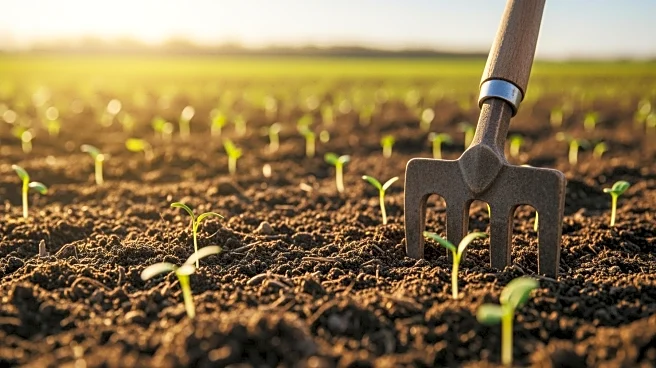
As the 2026 planting season approaches, farmers are gearing up to optimize their crop yields through strategic planning and expert advice. Key recommendations include waiting for suitable soil conditions post-frost to ensure even crop growth and reduce
the need for replanting. Experts emphasize the importance of using advanced seed varieties with genetic traits for protection against common threats, complemented by crop protection products like insecticides and fungicides. Early weed control is also highlighted as essential to prevent competition for resources and maintain yield potential.
Why It's Important?
The guidance provided to farmers is critical for maximizing crop yields and ensuring agricultural sustainability. By following expert advice, farmers can mitigate risks associated with poor germination and uneven stands, which can significantly impact their financial outcomes. The use of modern agricultural technologies and practices not only enhances productivity but also supports food security by ensuring a stable supply of crops. This is particularly important in the face of climate variability and economic pressures on the agricultural sector.
What's Next?
Farmers are encouraged to continue seeking advice from local agricultural experts to tailor their strategies to specific regional conditions. As the season progresses, monitoring crop performance and adjusting practices as needed will be vital. The agricultural community will likely focus on sharing best practices and innovations to further improve crop resilience and productivity. Additionally, ongoing research and development in seed technology and crop protection will play a crucial role in supporting farmers' efforts.