






What's Happening?
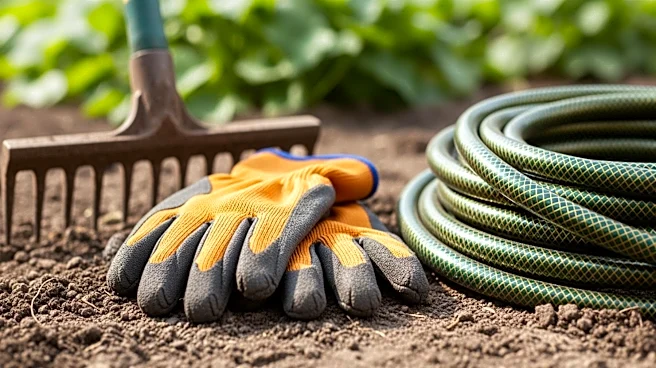
In Algiers, New Orleans, volunteers gathered to kick off Love the Boot Week, an annual statewide initiative aimed at encouraging community clean-up efforts across Louisiana. The event saw dozens of participants working to clean up local parks and neighborhoods,
emphasizing the importance of community involvement in maintaining a clean and beautiful environment. Stephen Mosgrove, Founder & Chair of Keep Algiers Beautiful, highlighted the significance of community participation in these efforts. New Orleans City Councilman Matthew Willard also stressed the role of individual responsibility in keeping communities litter-free. The initiative aims to instill a lasting sense of pride and responsibility among residents, with over 200 volunteer opportunities available throughout Greater New Orleans.
Why It's Important?
Love the Boot Week represents a significant community-driven effort to address environmental concerns at a local level. By engaging residents in clean-up activities, the initiative fosters a sense of ownership and pride in local environments, which can lead to sustained improvements in community cleanliness and aesthetics. This grassroots approach not only enhances the physical environment but also strengthens community bonds and civic engagement. The involvement of younger volunteers is particularly noteworthy, as it encourages lifelong habits of community service and environmental stewardship. Such initiatives can serve as models for other regions looking to mobilize local populations in environmental conservation efforts.
What's Next?
As Love the Boot Week continues, organizers hope to see increased participation in clean-up events across the state. The success of these efforts could inspire similar initiatives in other communities, potentially leading to broader environmental improvements. Continued engagement from local government officials and community leaders will be crucial in maintaining momentum and encouraging ongoing participation. Additionally, the initiative may prompt discussions on more permanent solutions to litter and waste management issues, such as improved public policies or infrastructure investments.