







What's Happening?
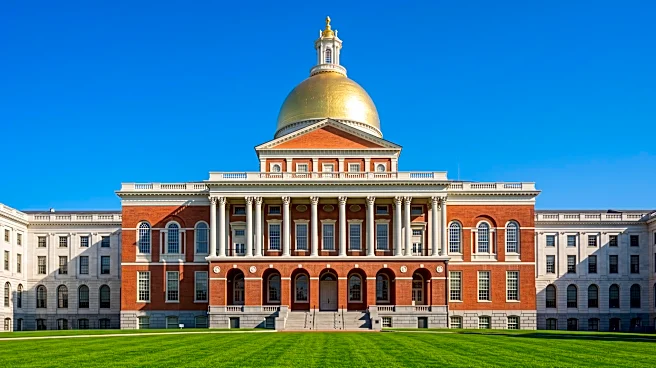
Massachusetts state legislators are currently negotiating legislation that could mandate third-party audits and assessments of Artificial Intelligence (AI) models, particularly focusing on catastrophic risks. This initiative comes as government oversight
of rapidly advancing AI technology is perceived to be lagging. Governor Maura Healey has expressed support for developing safety standards through collaboration between government, industry, and academia. However, industry groups, including the Computer & Communications Industry Association and the Software and Information Industry Association, have voiced opposition. They argue that mandatory audits are premature due to the lack of sufficiently developed standards, qualified auditors, and established oversight mechanisms. Proponents of the bill, however, contend that delaying audit requirements is not the solution and that the proposed legislation offers a reasonable starting point for establishing a novel auditing regime that can evolve with best practices.
Why It's Important?
This legislative debate in Massachusetts is significant as it represents a proactive state-level effort to regulate AI, a domain where federal oversight is still nascent. The outcome could set a precedent for how other states approach AI governance, potentially influencing national policy. The tension between the need for regulation to mitigate AI's potential risks and industry concerns about premature or ill-defined standards highlights a critical challenge in emerging technology policy. Effective AI regulation could protect consumers and society from unforeseen harms, while overly restrictive or poorly designed regulations could stifle innovation. This discussion is crucial for balancing technological advancement with public safety and ethical considerations, impacting the future development and deployment of AI systems within the U.S.
What's Next?
The Massachusetts state legislators will continue negotiations on the proposed AI audit legislation. The debate will likely center on finding a balance between establishing necessary safety and transparency requirements and addressing industry concerns about the maturity of auditing standards and infrastructure. Governor Healey's support suggests a push towards some form of regulation, but the final form of the bill will depend on the legislative process and potential compromises. If passed, the legislation would likely spur the development of a specialized AI auditing ecosystem, including the creation of new standards and the training of qualified auditors. Industry groups will continue to advocate for their positions, potentially influencing the scope and implementation timeline of any new regulations. The progress in Massachusetts could also inform discussions at the federal level regarding comprehensive AI regulation.
Beyond the Headlines
The Massachusetts AI audit debate touches upon deeper ethical and societal implications of artificial intelligence. The concept of 'catastrophic risk' in AI raises questions about the potential for autonomous systems to cause widespread harm, whether through unintended biases, security vulnerabilities, or loss of human control. Mandating third-party audits is an attempt to instill a layer of accountability and transparency into AI development, which is often opaque. This move reflects a growing recognition that AI is not just a technological tool but a powerful force with significant societal impact, necessitating robust governance frameworks. The comparison to financial auditing history suggests that regulatory frameworks often evolve in response to technological and market developments, indicating that this Massachusetts initiative could be an early step in a long journey toward comprehensive AI oversight. The challenge lies in creating regulations that are adaptable, forward-looking, and do not inadvertently hinder beneficial AI innovation.