



What's Happening?
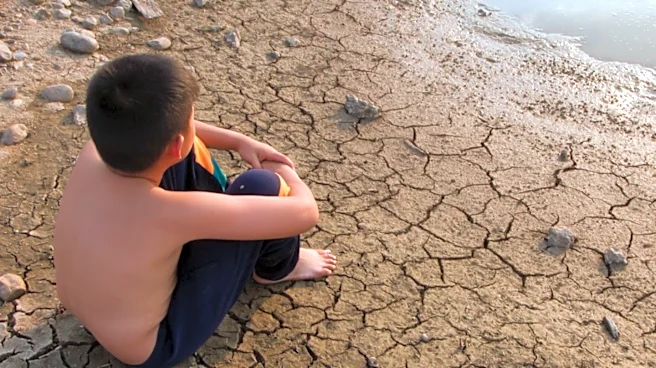
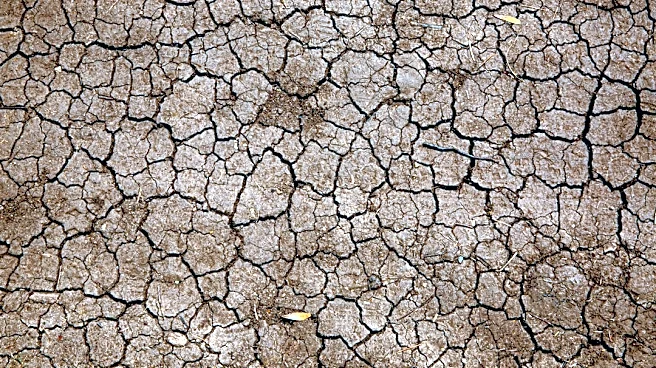
The Food and Agriculture Organization (FAO) of the United Nations has issued a warning regarding a high probability of agricultural drought across major regions, including the Sahel, due to the intensifying El Niño phenomenon. This climate pattern, which
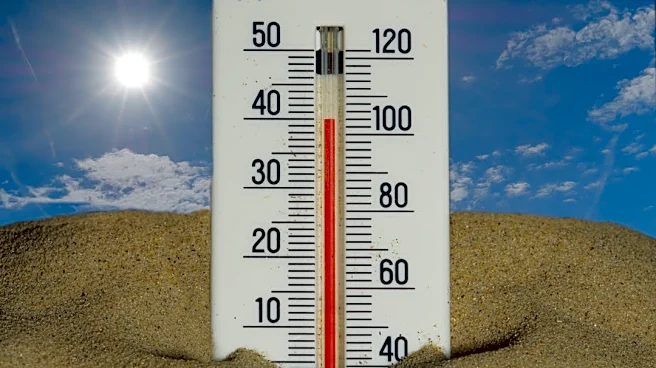
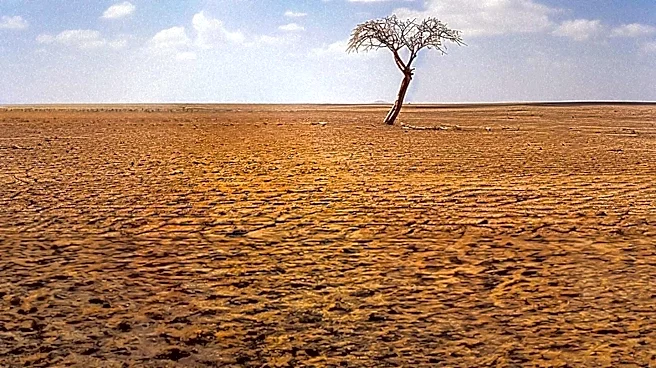
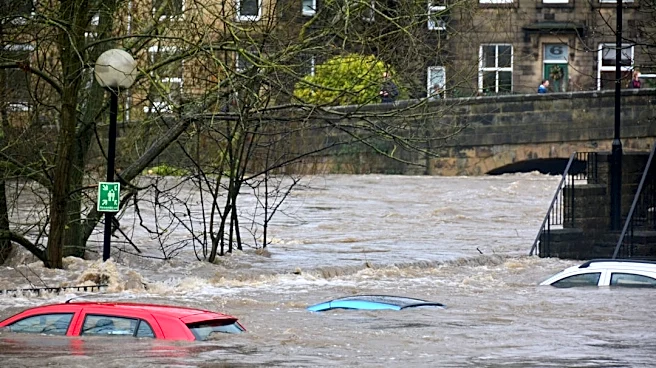
typically occurs every two to seven years, involves rising sea-surface temperatures in the central and eastern tropical Pacific Ocean, altering weather conditions globally. The current El Niño is strengthening rapidly, leading to a prospect of extreme heat, floods, drought, and disruptive weather. The FAO's analysis indicates that the Sahel region, along with Southern Africa, South and Southeast Asia, and Central America's dry corridor and the Caribbean, faces a significant risk of drought in the coming months, with some areas having over a 50% chance. Jorge Alvar-Beltrán, FAO's natural resources officer, emphasized that the planet's current warmer state, coupled with widespread conflict and food insecurity, means these impacts will disproportionately affect already vulnerable regions with limited coping capacities. The UN has also developed a support plan for ten Sahel countries to promote prosperity and sustainable peace, addressing the region's deep-rooted environmental, political, and security challenges.
Why It's Important?
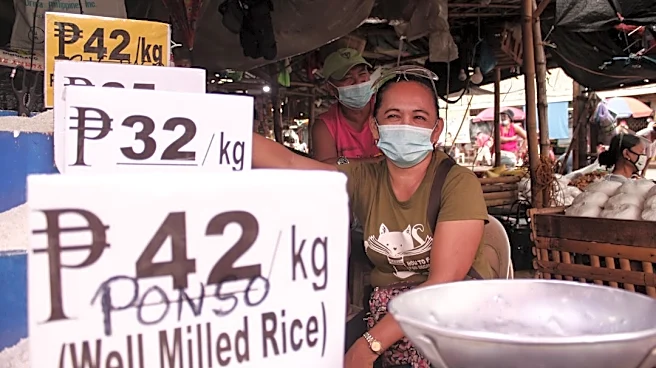
The intensified drought risk in the Sahel region carries significant implications for global food security and humanitarian efforts. The region, already grappling with environmental, political, and security challenges, is highly vulnerable to climate shocks. Agricultural drought directly threatens crop yields and livestock, which are critical for the livelihoods of millions. In areas where livestock underpins both food security and household wealth, the loss of pasture quickly translates into a loss of assets and economic stability. The FAO's analysis highlights that over 80% of the projected drought impacts will affect agriculture in low- and middle-income countries, exacerbating existing food insecurity and potentially leading to increased displacement and humanitarian crises. The interconnectedness of climate, conflict, and food insecurity means that a severe drought could further destabilize the region, potentially fueling existing conflicts and creating new ones as communities compete for scarce resources. This situation also poses a challenge to international aid organizations and governments, requiring substantial resources for emergency relief and long-term resilience building.
What's Next?
In response to the escalating drought risk, the FAO's detailed forecast aims to enable farmers and governments to prepare proactively before the growing season is fully underway, thereby narrowing the risk of severe impacts. Early warning systems are crucial for effective prevention when acted upon timely and decisively. International organizations and national governments in the affected Sahel countries will likely need to implement immediate and long-term strategies to mitigate the effects of the drought. This could include distributing drought-resistant seeds, providing emergency food aid, supporting water conservation projects, and strengthening social safety nets for vulnerable populations. Furthermore, the ongoing UN support plan for the Sahel, which targets ten countries to accelerate prosperity and sustainable peace, will become even more critical. This plan addresses the region's multifaceted challenges, including environmental degradation, and will need to integrate climate adaptation measures more robustly. The international community will also need to monitor the situation closely, as the interplay between climate change, conflict, and food insecurity could lead to further humanitarian crises and regional instability.
Beyond the Headlines
The looming drought in the Sahel, exacerbated by El Niño, underscores the profound and interconnected challenges facing the region, extending beyond immediate food shortages to deeper societal and geopolitical implications. The increased vulnerability to climate shocks can intensify existing conflicts, particularly those driven by jihadist violence, as resource scarcity often fuels competition and displacement. This environmental stress can be exploited by extremist groups like Jama'at Nusrat al-Islam wal-Muslimin (JNIM), which may offer protection or resources in exchange for loyalty, further entrenching their presence. The situation also highlights the ethical imperative for developed nations to support climate adaptation and resilience efforts in vulnerable regions, given their disproportionate contribution to climate change. Moreover, the reliance on external aid, while necessary, can sometimes mask underlying systemic issues, emphasizing the need for sustainable, locally-led solutions that empower communities to build long-term resilience. The long-term shifts triggered by such climate events could include significant demographic changes, increased migration, and altered geopolitical dynamics as nations grapple with the consequences of a changing climate.