








What's Happening?
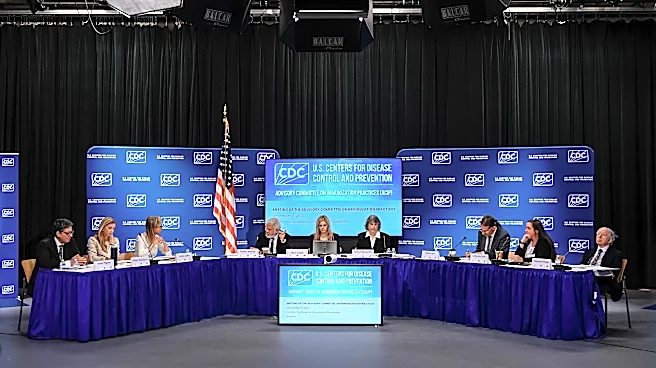
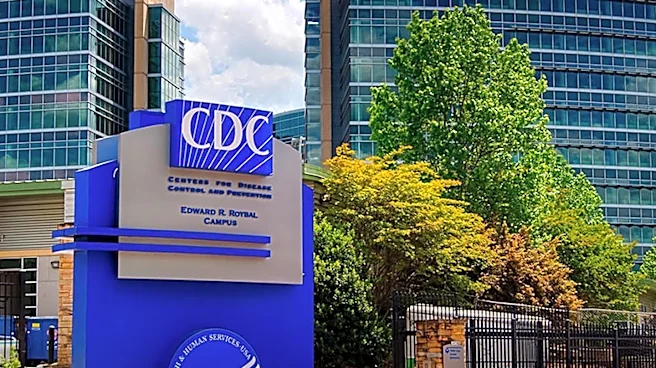
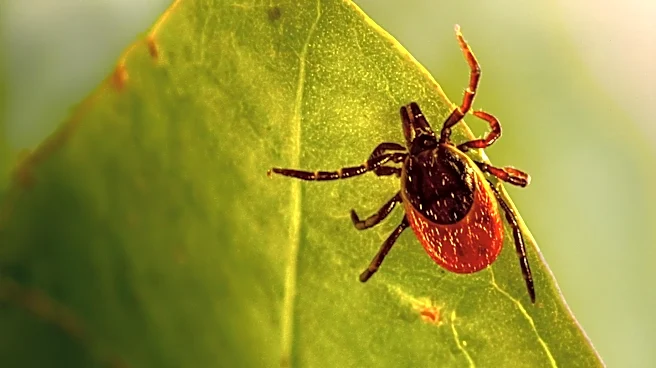
The Centers for Disease Control and Prevention (CDC) has reported an increase in cases of the Powassan virus, a tick-borne disease, in the United States. The virus, which can be transmitted to humans in as little as 15 minutes after a tick bite, has seen
a rise in cases from one in 2004 to 76 in 2025, with 15 cases already reported in 2026. The disease is primarily spread by the groundhog tick, squirrel tick, and blacklegged tick, commonly found in the Northeast and Great Lakes regions. The virus is considered rare, but its increasing prevalence is concerning as there are no vaccines or medicines available to prevent or treat it. Symptoms can range from fever and headache to more severe conditions like encephalitis and meningitis.
Why It's Important?
The rise in Powassan virus cases highlights the growing public health challenge posed by vector-borne diseases, exacerbated by climate change. As temperatures rise, tick habitats expand, increasing the risk of transmission to humans. This trend poses significant health risks, particularly in regions where ticks are most active. The lack of available vaccines or treatments for the Powassan virus underscores the need for increased public awareness and preventive measures. The economic impact could also be substantial, with potential increases in healthcare costs and lost productivity due to illness. Public health agencies may need to allocate more resources to monitoring and controlling tick populations to mitigate the spread of this and similar diseases.
What's Next?
Public health officials are likely to intensify efforts to educate the public on preventive measures, such as using insect repellents and avoiding areas with high tick populations. Research into vaccines and treatments for the Powassan virus may also gain momentum as the disease becomes more prevalent. Additionally, there may be increased collaboration between government agencies and environmental organizations to address the broader impacts of climate change on vector-borne diseases. Monitoring and reporting systems for tick-borne illnesses could be enhanced to provide more accurate data and improve response strategies.
Beyond the Headlines
The rise of the Powassan virus also raises ethical and legal questions about land use and environmental management. As human activities encroach on natural habitats, the risk of zoonotic diseases increases. This situation calls for a reevaluation of policies related to urban planning and wildlife conservation. Furthermore, the potential long-term health impacts of the virus, including neurological damage, highlight the need for comprehensive healthcare strategies to support affected individuals. The situation also underscores the importance of global cooperation in addressing climate change and its health implications.