





What's Happening?
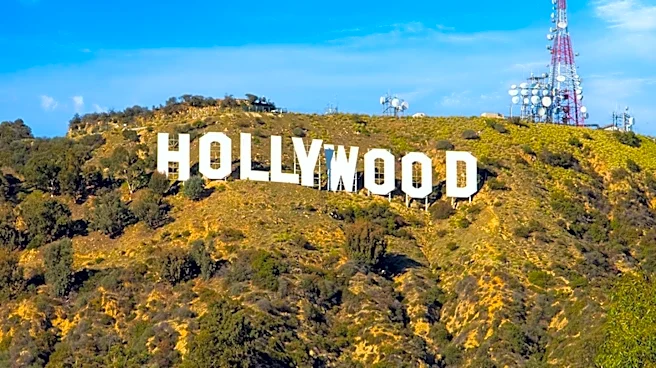
Approximately 100 homeowners residing near the Hollywood sign in Los Angeles have filed a lawsuit against the city, alleging that officials have failed to manage the overwhelming influx of tourists. The lawsuit, filed on October 26, does not seek monetary
damages but rather a court order compelling the city to address issues such as clogged narrow roads, trespassing, and litter, including cigarette butts that pose a wildfire risk. The suit names LA Mayor Karen Bass and Councilmember Nithya Raman as defendants. Residents report that traffic camera data showed a 15% increase in vehicles in the area this summer compared to 2025, with over 48,200 vehicles passing through in 13 days. Emergency vehicles have also reportedly faced delays due to congestion. Homeowners attribute the surge in visitors to a viewing platform built 15 years ago, social media, and mapping applications.
Why It's Important?
This lawsuit highlights a growing conflict between tourism and residential quality of life in popular urban areas. The residents' complaints about traffic, safety hazards, and environmental concerns underscore the challenges cities face in managing iconic landmarks that attract large crowds. The potential for wildfires due to discarded cigarette butts in a high-risk area adds a critical public safety dimension to the dispute. The legal action could set a precedent for how cities are held accountable for the negative impacts of tourism on local communities. It also brings to the forefront the need for sustainable tourism management strategies that balance economic benefits with the well-being of residents. The city's response and any court-ordered remedies could influence urban planning and tourism policies in other cities with similar attractions.
What's Next?
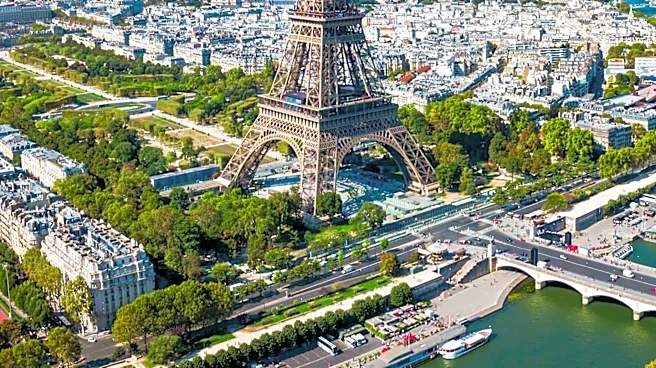
The lawsuit will proceed through the legal system, with homeowners seeking a court order to force the city to implement effective crowd control measures. City officials, including Mayor Bass's office and Councilmember Raman's office, have stated they are taking steps to address congestion, such as increasing traffic and parking enforcement and developing neighborhood traffic plans. A pilot Hollywood Sign Traffic Management Plan is also being developed to test new approaches to staffing and traffic control on peak visitor days, with a study for longer-term solutions underway ahead of the 2028 Olympics. The attorney for the homeowners, Ilan Wurman, suggests the city adopt measures similar to those around the Eiffel Tower, including ticketing and access restrictions. The outcome of the lawsuit could mandate specific actions from the city, potentially leading to significant changes in how tourists access and view the Hollywood sign.
Beyond the Headlines
The dispute over the Hollywood sign's tourist impact reflects a broader societal tension between public access to cultural landmarks and the private rights of residents. It raises questions about the responsibilities of urban planning in anticipating and mitigating the consequences of increased tourism. The residents' call for crowd control measures akin to those in Paris suggests a desire for more sophisticated and integrated tourism management strategies in Los Angeles. This situation also underscores the double-edged sword of social media and mapping technology, which can boost tourism but also concentrate visitors in residential areas not designed for high traffic. The long-term implications could include a re-evaluation of how cities promote and manage access to their iconic sites, potentially leading to new models of visitor management that prioritize both visitor experience and resident quality of life.