



What's Happening?
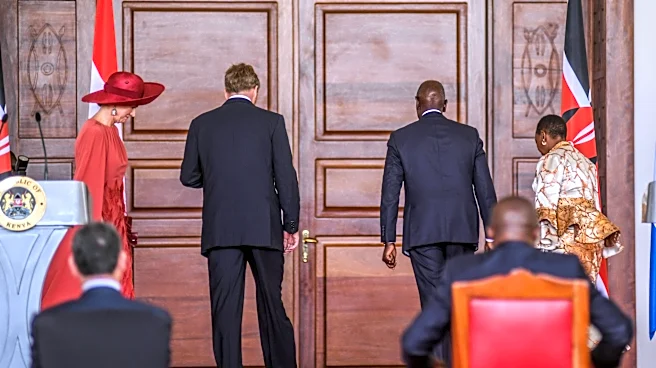
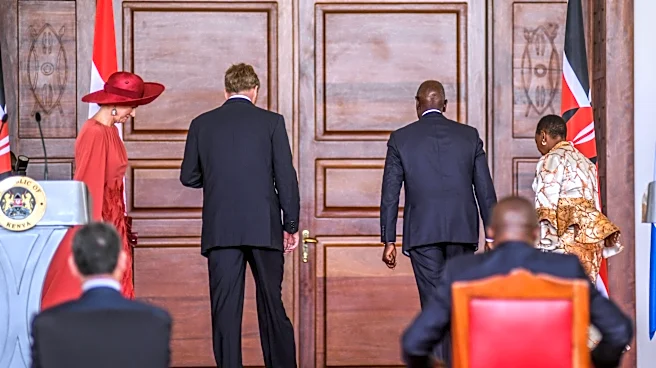
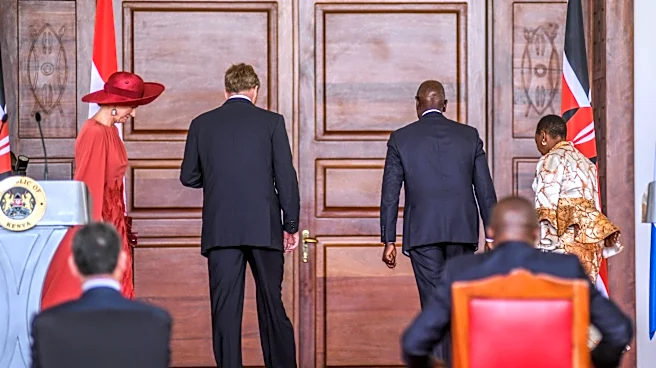
Kenyan President William Ruto addressed the Third Global Parliamentary Summit Against Hunger and Malnutrition in Nairobi, urging African parliaments to take a leading role in addressing food insecurity. He emphasized the need for legislative action, increased
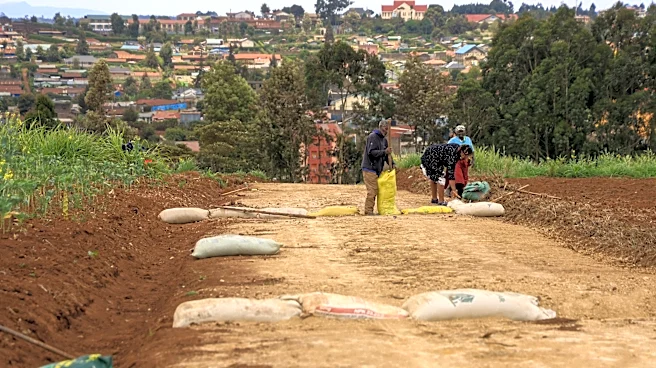
budgetary allocations to agriculture, and stronger oversight of food security programs. Ruto highlighted that despite global progress in reducing hunger, Africa continues to bear a disproportionate burden, with 309 million people experiencing hunger in 2025, representing approximately one in five people on the continent. He noted that Africa spends around 100 billion US dollars annually on food imports despite its significant agricultural potential. The President called for investments in local processing and value addition to strengthen agricultural value chains and create jobs, stressing that ending hunger requires legislation, budget, and oversight.
Why It's Important?
President Ruto's call to action underscores the critical role of legislative bodies in shaping food security policies and resource allocation across Africa. The continent's reliance on food imports, despite its vast agricultural potential, represents a significant economic drain and a vulnerability to global market fluctuations. By advocating for increased investment in local processing and value addition, Ruto aims to foster economic growth, create employment opportunities, and enhance food self-sufficiency. The summit's focus on legislative and budgetary measures highlights a shift towards a more structured and accountable approach to tackling hunger, potentially leading to more resilient agrifood systems and reduced dependence on external aid. The emphasis on parliamentary oversight could also improve the effectiveness and transparency of food security initiatives.
What's Next?
The Third Global Parliamentary Summit Against Hunger and Malnutrition, held under the theme 'Legislating for Resilient Agrifood Systems and Zero Hunger in a Changing Climate,' will continue to explore policy, fiscal, and legislative measures to address food insecurity. Global lawmakers are expected to focus on realizing the right to food through inclusive development, social justice, climate action, gender equality, and the empowerment of rural communities. The discussions will likely lead to recommendations for legislative reforms and budgetary commitments from participating African nations. The long-term goal is to strengthen Africa's agricultural systems and place food security at the center of national and continental development agendas, with a view to achieving the UN's 2030 zero-hunger goal.
Beyond the Headlines
The summit's focus on parliamentary action against hunger and malnutrition points to a broader recognition of the need for systemic changes beyond emergency aid. By empowering parliaments to enact legislation and provide oversight, the initiative aims to embed food security into national governance structures, ensuring sustained commitment and accountability. This approach could lead to a more equitable distribution of resources and opportunities within the agricultural sector, potentially addressing historical inequalities and empowering marginalized communities. The emphasis on climate-resilient food systems also acknowledges the interconnectedness of environmental sustainability and food security, suggesting a shift towards more holistic and long-term solutions to complex global challenges.