



What's Happening?
The Trump administration's announcement of leucovorin as a potential treatment for autism has led to widespread confusion and criticism. During a press conference, President Trump emphasized the drug's potential benefits, despite limited scientific evidence
supporting its efficacy. The administration's promise to make leucovorin more accessible has not been fulfilled, leaving parents of autistic children to navigate the drug's availability and use on their own. The lack of official guidelines and the drug's off-label status have contributed to a chaotic rollout, with many parents struggling to obtain prescriptions.
Why It's Important?
The situation highlights the challenges of introducing new treatments without robust scientific backing and clear regulatory guidance. The administration's handling of leucovorin's rollout raises concerns about the potential for misinformation and the impact on public trust in medical interventions. For families affected by autism, the promise of a new treatment offers hope, but the lack of clarity and support can lead to frustration and uncertainty. The controversy also underscores the need for rigorous clinical trials and evidence-based practices in the development and approval of new therapies.
What's Next?
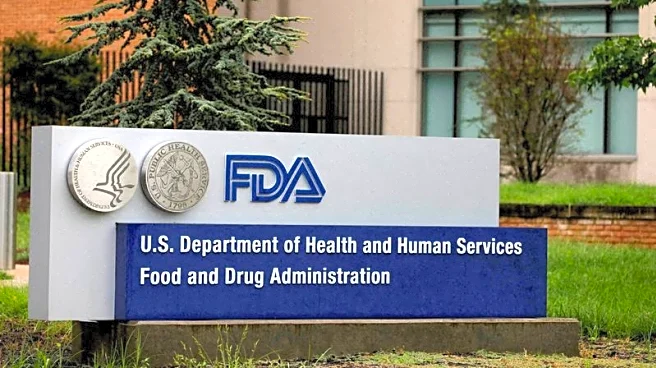
As the debate over leucovorin continues, there may be increased pressure on the FDA and other regulatory bodies to provide clearer guidelines and conduct comprehensive studies on the drug's effectiveness for autism. Advocacy groups and medical professionals may call for more transparency and accountability in the administration's handling of the drug's rollout. The outcome of these efforts could influence future policies on drug approvals and the communication of medical information to the public.