






What's Happening?
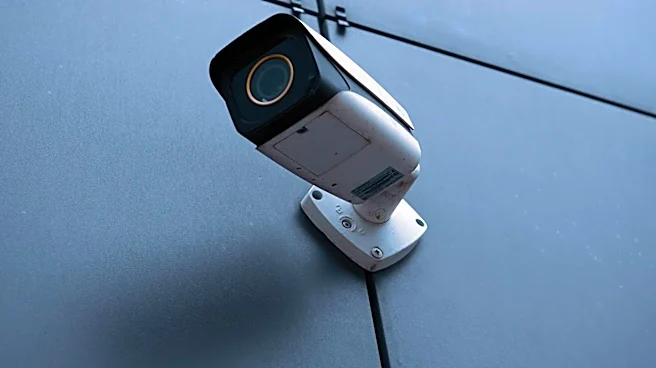
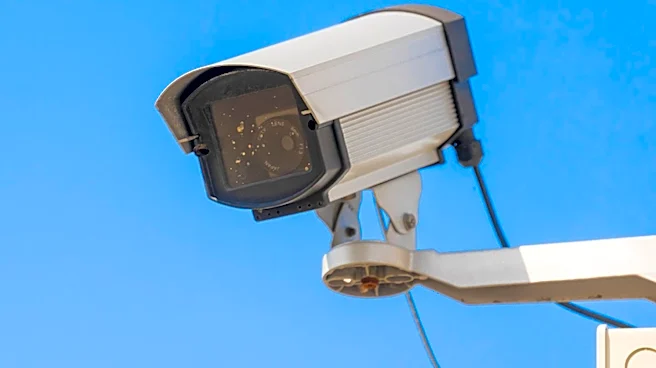
Wesley Jackson, a 20-year-old from Monongalia County, West Virginia, has been arrested for allegedly destroying automatic license plate readers (ALPRs) operated by Flock Safety. Following his arrest, Jackson received an unexpected wave of support from the
online community, with over 29,000 comments on a local news post expressing solidarity. Many commenters humorously provided alibis for Jackson, suggesting he was engaged in various altruistic activities at the time of the alleged offenses. This public reaction highlights a growing sentiment against surveillance technologies perceived as invasive.
Why It's Important?
The public's response to Jackson's arrest underscores a significant societal debate over privacy and surveillance. The overwhelming support for Jackson suggests a widespread discomfort with the proliferation of surveillance technologies like ALPRs, which are often criticized for infringing on personal privacy. This incident reflects broader concerns about the balance between security and privacy, and the role of technology in public spaces. The reaction may influence public policy discussions and lead to increased scrutiny of surveillance practices by both the public and policymakers.
Beyond the Headlines
The incident involving Wesley Jackson and the public's reaction may have deeper implications for the future of surveillance technology in the U.S. The strong public sentiment against ALPRs could prompt legal and ethical debates about the use of such technologies. It raises questions about the accountability of companies deploying surveillance tools and the transparency of their operations. Additionally, this case could inspire similar acts of resistance against surveillance, potentially leading to changes in how these technologies are implemented and regulated.