






What's Happening?
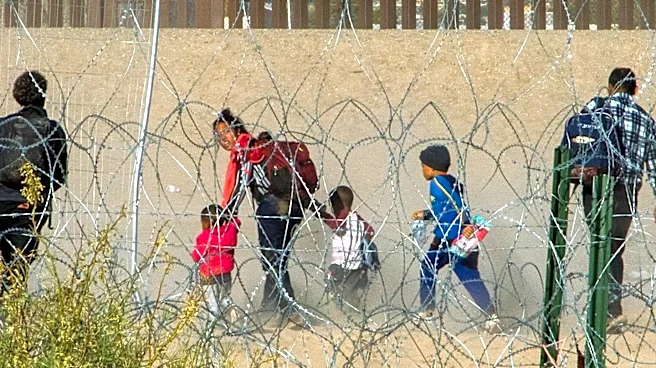
A debate has emerged over the interpretation of the Bible passage Matthew 25, which is influencing discussions on U.S. immigration policy. The passage, which speaks about caring for the hungry, thirsty, and strangers, is being cited by various religious
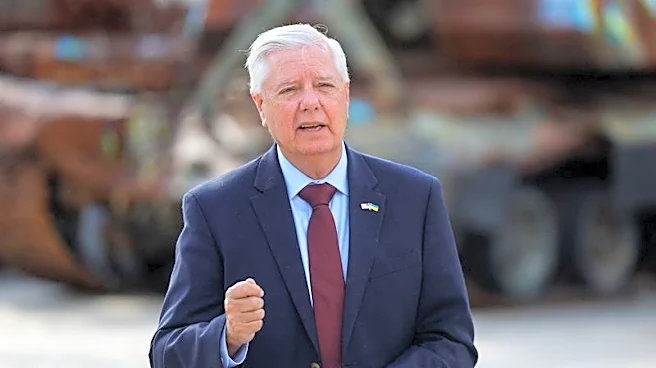
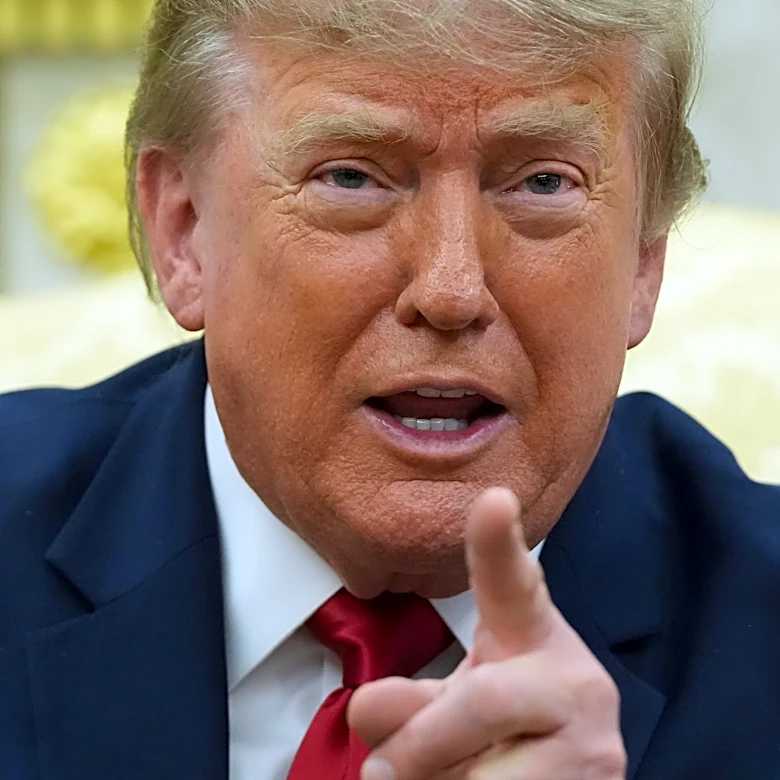
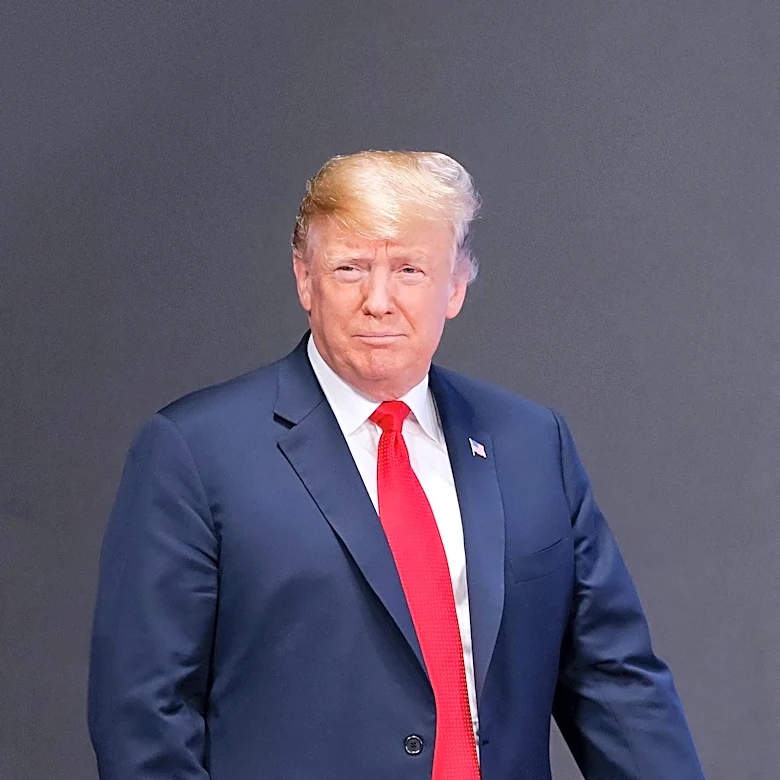
and political figures to argue for or against current immigration policies. Mainline pastors, Black Protestants, and the Pope have criticized President Trump's immigration policies, referencing Matthew 25 to advocate for more compassionate treatment of immigrants. In contrast, evangelical politicians, including House Speaker Mike Johnson, argue that the passage is a call to individual action rather than a directive for government policy. This debate has surfaced in congressional hearings and discussions between political leaders, highlighting differing interpretations of religious texts in shaping public policy.
Why It's Important?
The debate over Matthew 25 underscores the broader conflict between religious interpretations and political policies in the U.S. The passage's interpretation could influence public opinion and legislative decisions regarding immigration. Religious leaders advocating for a compassionate approach argue that the passage calls for community responsibility in caring for vulnerable populations, which could pressure lawmakers to reconsider strict immigration policies. Conversely, politicians who view the passage as a call to individual action may continue to support policies that prioritize national security and border control. This debate reflects the ongoing tension between religious values and political agendas, potentially impacting future immigration legislation and the treatment of immigrants in the U.S.
What's Next?
As the debate continues, it is likely that religious and political leaders will further engage in discussions about the role of religious texts in shaping public policy. The ongoing dialogue may lead to increased advocacy from religious groups for more humane immigration policies. Additionally, political leaders may face pressure to clarify their positions on how religious teachings should influence government actions. The outcome of this debate could affect upcoming legislative sessions and influence the direction of U.S. immigration policy, particularly as it relates to the treatment of vulnerable populations.
Beyond the Headlines
The debate over Matthew 25 highlights the complex relationship between religion and politics in the U.S. It raises questions about the role of religious texts in public policy and the extent to which religious values should influence government decisions. This discussion also reflects broader societal debates about the separation of church and state and the ethical responsibilities of political leaders. The outcome of this debate could have long-term implications for how religious teachings are integrated into policy-making processes and the balance between individual and collective responsibility in addressing social issues.