




What's Happening?
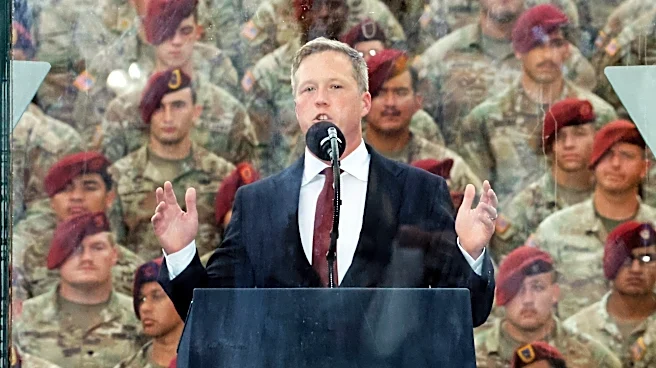
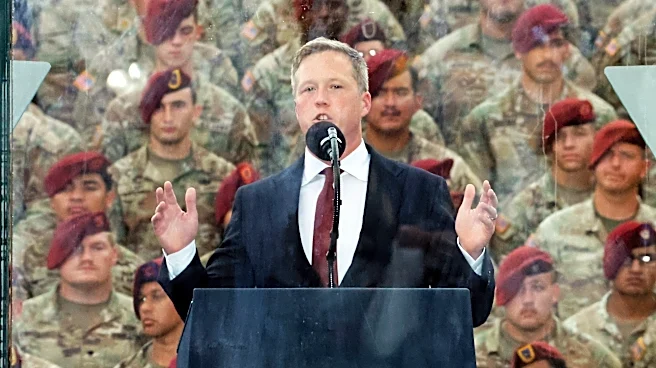
A bipartisan group of U.S. lawmakers has voiced significant concerns regarding the Army's recent decision to order the 173rd Airborne Brigade to cease its specialization in drone warfare and refocus on its core mission as an airborne infantry unit. This
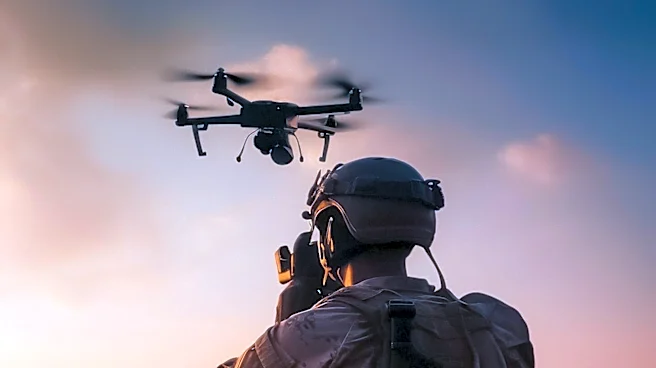
directive, issued by Gen. Christopher LaNeve, the Army’s acting chief of staff, follows the ousting of the previous Army chief of staff, Gen. Randy George, who had been a strong advocate for integrating drones into Army tactics. The lawmakers, including Democratic Sen. Jeanne Shaheen, Republican Sen. Thom Tillis, independent Sen. Angus King, and Republican Rep. Mike Turner, sent a letter to departing Army Secretary Dan Driscoll and Gen. LaNeve, requesting a briefing to understand the rationale behind this change. They highlighted that the specialized unit was a proactive response to the rapidly evolving nature of modern warfare, where uncrewed systems are becoming increasingly critical. The unit, active for less than a year, was involved in building its own drones and practicing tactics similar to those employed by Ukrainian forces against Russia.
Why It's Important?
This decision by the Army carries significant implications for U.S. military modernization and its ability to adapt to contemporary battlefields. Lawmakers fear that eliminating this specialized drone unit will impede the Army's capacity to learn from allies, particularly the Ukrainian Armed Forces, and hinder efforts to rapidly advance drone warfare capabilities. The shift away from specialized drone units could leave the U.S. at a disadvantage in conflicts where uncrewed systems play a pivotal role, as demonstrated by recent global events. The move also raises questions about the continuity of strategic vision within the Army, especially given the abrupt change in leadership from Gen. George, who championed drone integration, to Gen. LaNeve. This internal policy reversal could affect the development and deployment of advanced drone systems, potentially impacting the effectiveness of U.S. forces in future engagements and the broader defense industry involved in military technology.
What's Next?
The bipartisan group of lawmakers has requested a briefing from the Army to explain its decision, seeking details on the data, analysis, and process that led to the change. They also aim to determine whether the decision originated from Pentagon leadership or was an internal Army initiative. The departure of Army Secretary Dan Driscoll, an ally of Gen. George and a supporter of drone integration, further complicates the situation, as lawmakers expressed a desire to maintain the momentum of transformative initiatives under his leadership. The outcome of this requested briefing and any subsequent actions by Congress could influence the Army's future direction regarding drone warfare specialization and its broader modernization efforts. The ongoing debate highlights a potential divergence in strategic priorities within the military leadership and between the military and legislative branches concerning the future of warfare.
Beyond the Headlines
The controversy surrounding the Army's drone unit reflects a deeper tension within military institutions regarding adaptation to rapid technological advancements and evolving warfare paradigms. The emphasis on 'core mission' for an airborne infantry unit, while traditionally vital, may be seen by some as a resistance to fully embracing the transformative potential of drone technology. This situation also underscores the impact of leadership changes on long-term strategic initiatives, particularly when new leaders may bring different visions or priorities. The lawmakers' reference to learning from allies like Ukraine suggests an acknowledgment that real-world conflicts are demonstrating the immediate necessity of advanced drone capabilities, potentially putting the U.S. at a disadvantage if it does not keep pace. This internal debate could have long-term consequences for military doctrine, procurement, and the U.S.'s competitive edge in global defense.