






What's Happening?
Air France has extended its flight suspensions for Paris–Dubai through November 7, 2026, and Paris–Riyadh through December 12, 2026. These extensions, confirmed on October 29, push the cancellation windows further out, with no guarantee of service resumption
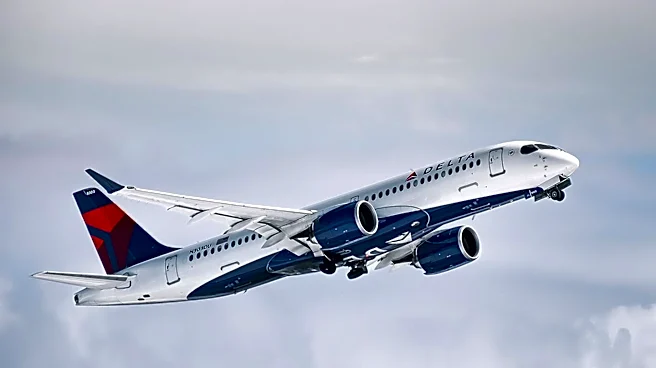
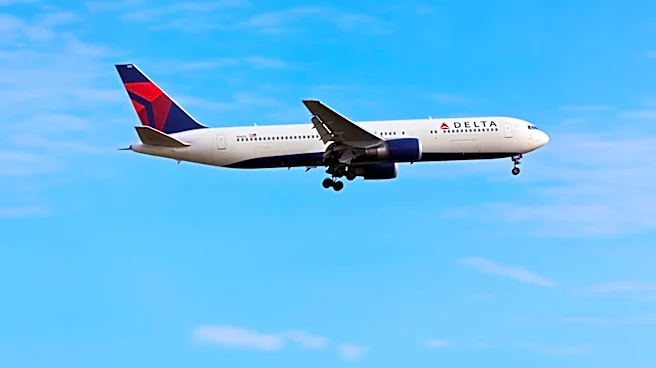
immediately after these dates. The airline has been grounding these routes since February 28, 2026, due to airspace closures in parts of the region. Travelers affected by these suspensions have options: they can move their trip to any date through February 28, 2027, without a change fee, or accept a voucher valid for one year across Air France, KLM, and Delta Air Lines. Other carriers, including KLM, Lufthansa, IndiGo, Air India, and Akasa Air, have also announced various Gulf route suspensions with differing end dates, indicating a lack of shared reopening timelines across the industry.
Why It's Important?
The extended suspension of Air France's Gulf routes, and similar actions by other airlines, significantly impact international travel, particularly for U.S. travelers connecting through European hubs to the Middle East and Asia. The inclusion of Delta Air Lines in the voucher option highlights the interconnectedness of global airline alliances and the potential for U.S. passengers to be affected by disruptions originating elsewhere. This situation creates uncertainty for business and leisure travelers, potentially leading to rebooking challenges, increased costs, and longer travel times. The rolling cancellation windows suggest ongoing geopolitical or operational instability, making long-term travel planning difficult and emphasizing the need for travelers to stay informed about their specific carrier's advisories.
What's Next?
Travelers with Air France bookings to or from Dubai and Riyadh before the extended suspension dates should consider their options: rebooking their trip without a change fee or accepting a voucher. It is crucial for passengers to understand that the voucher is credit, not a refund, and its value is tied to future travel with Air France, KLM, or Delta Air Lines. Passengers covered by EU rules for cancellations should be aware of their rights, including the choice between a refund or rebooking, and the entitlement to care if delays occur. Monitoring official airline advisories is essential, as these suspension dates are subject to further revisions. The lack of a unified reopening timeline among carriers suggests that the situation remains fluid.
Beyond the Headlines
The ongoing suspensions of Gulf routes by multiple airlines, including Air France, point to deeper geopolitical and operational challenges affecting global aviation. While the source mentions airspace closures as a reason, the varying suspension dates among carriers suggest that individual airline risk assessments and operational strategies play a significant role. The offering of vouchers, including credit for Delta Air Lines, underscores the strategic partnerships within airline alliances to manage disruptions and retain customer loyalty. This situation also raises questions about consumer protection in an era of unpredictable global events, particularly regarding the distinction between refunds and vouchers, and the complexities of claiming compensation under international regulations. The continuous adjustments to flight schedules reflect a broader industry effort to adapt to an uncertain operating environment.