







What's Happening?
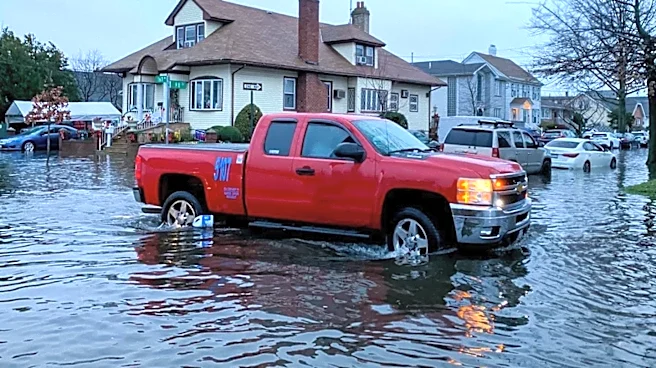
Indiana Governor Mike Braun has activated the state's disaster relief fund, providing $5,000 grants to individuals affected by the recent historic flooding and storms. This initiative aims to help families cover basic needs like clothes and food while
displaced from their homes. The state is also offering housing vouchers through the Indiana Housing and Community Development Authority to move approximately 1,000 displaced individuals from emergency shelters into temporary accommodations such as hotels and apartments. Governor Braun plans to apply for a major disaster declaration from FEMA, which, if approved, would unlock additional federal funding for uninsured and underinsured residents and hazard mitigation efforts. Emergency SNAP benefit replacements are also being activated for eligible recipients who lost food due to the storms or power outages.
Why It's Important?
The activation of Indiana's disaster relief fund and the pursuit of federal aid are critical steps in addressing the immediate and long-term impacts of the historic flooding. The $5,000 grants and housing vouchers provide essential direct relief to thousands of displaced and affected Hoosiers, helping them stabilize their lives in the wake of significant loss. A FEMA major disaster declaration would unlock substantial federal resources, which are vital for comprehensive recovery efforts, including assistance for uninsured residents and funding for infrastructure repairs. This situation highlights the financial strain that natural disasters place on state budgets and the necessity of federal support. Furthermore, the emergency SNAP benefits address food insecurity, a common consequence of widespread power outages and displacement. The state's response demonstrates the importance of coordinated government action in mitigating the human and economic costs of such events.
What's Next?
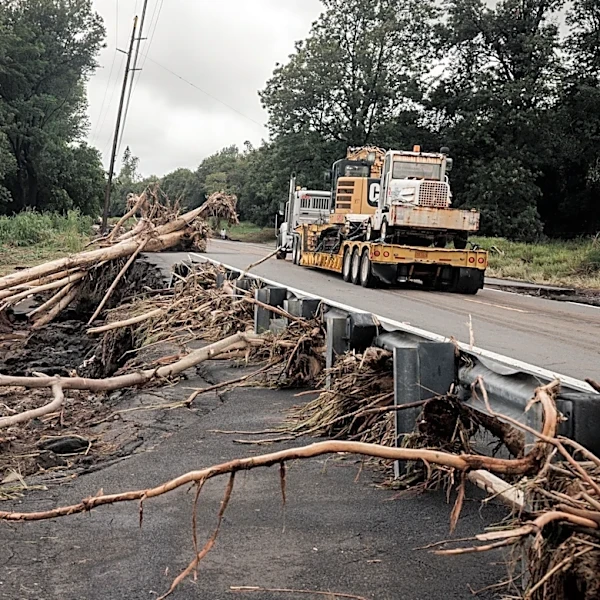
Indiana officials will proceed with the application for a major disaster declaration from FEMA, with Governor Braun expecting a decision within the next 10 days. If approved, this will open up new avenues for federal funding to support individual assistance and hazard mitigation. The state will continue to distribute $5,000 grants and housing vouchers to affected residents, and emergency SNAP benefit replacements will be processed for eligible individuals. The Indiana National Guard, State Police, and other agencies will remain engaged in response and recovery operations. Discussions will also likely continue regarding the significant roadway reconstruction needed due to collapsed streets and erosion, and how these repairs will be funded, especially in light of the ongoing gas tax holiday. The state will also assess its reserve funding to ensure it can cover costs even without a federal declaration.
Beyond the Headlines
The Indiana floods and the state's response illuminate the evolving challenges of disaster management in the U.S., particularly in the context of increasingly frequent and severe weather events. The activation of state and pursuit of federal relief funds underscore the complex financial architecture required to address large-scale crises, often involving a blend of state reserves, federal aid, and local resources. This event also brings into focus the social equity dimensions of disaster recovery, as the provision of grants, housing vouchers, and SNAP benefits directly addresses the immediate needs of vulnerable populations. The emphasis on hazard mitigation in the FEMA declaration process points to a growing recognition of the need for proactive measures to build resilience against future disasters, rather than solely reacting to them. This situation serves as a case study for how states and the federal government collaborate to support communities through environmental challenges, highlighting both the strengths and potential areas for improvement in national disaster preparedness and response strategies.