

What's Happening?
The European Union and the Mercosur bloc of South American countries have signed a significant free trade agreement, concluding over 25 years of negotiations. The agreement, signed in Asuncion, Paraguay, aims to strengthen commercial ties amidst global
trade tensions and protectionism. The deal is seen as a geopolitical win for the EU, expanding its influence in a resource-rich region contested by major powers like the U.S. and China. The agreement will gradually eliminate over 90% of tariffs on goods, creating one of the world's largest free trade zones. While the deal has broad support in South America, it still requires ratification by the EU parliament, where it may face opposition from European farmers concerned about competition from South American agricultural imports.
Why It's Important?
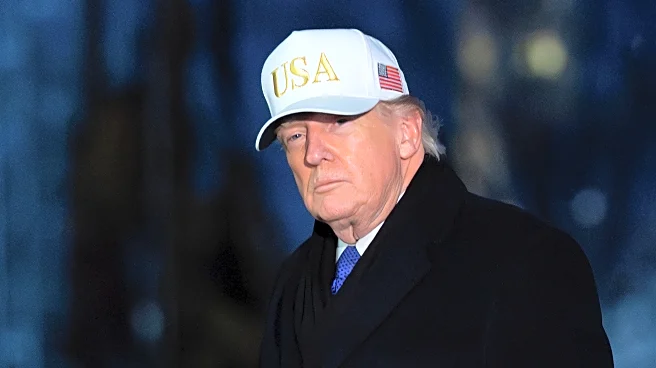
This agreement is crucial as it represents a strategic move by the EU to enhance its global trade footprint, particularly in South America, a region with vast natural resources. By reducing tariffs, the deal is expected to boost economic growth and consumer access to a wider range of goods. It also serves as a counterbalance to the protectionist policies of the Trump administration, promoting multilateral trade cooperation. The agreement could lead to increased economic integration and cooperation between the EU and Mercosur countries, potentially influencing global trade dynamics. However, the deal's success hinges on overcoming opposition within the EU, particularly from agricultural sectors fearing increased competition.
What's Next?
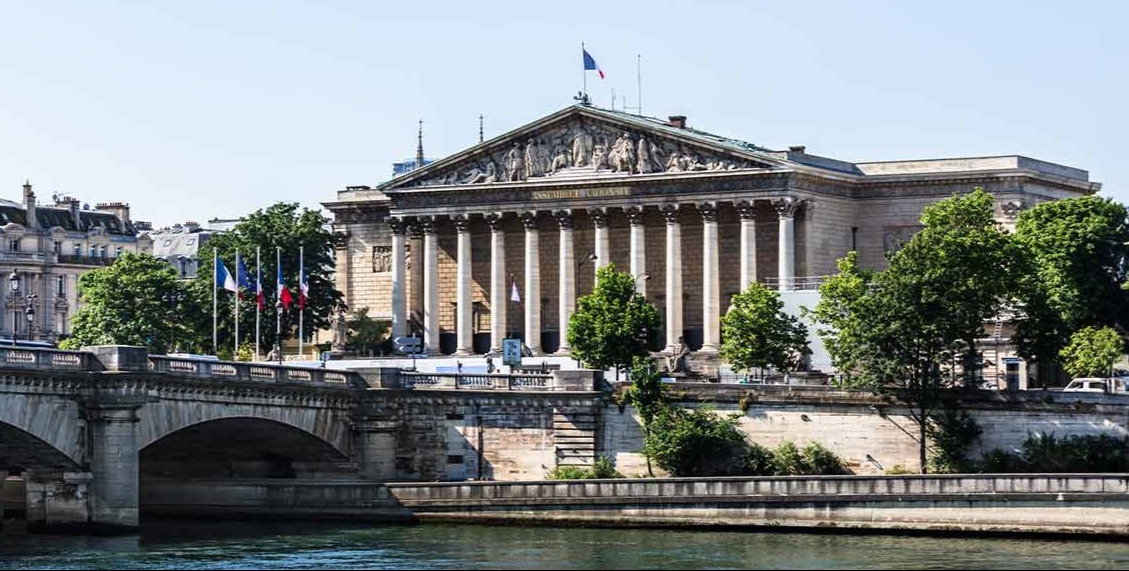
The next step for the agreement is ratification by the European Parliament, which is anticipated to be a challenging process due to opposition from some EU member states, notably France. The EU trade commissioner plans to lobby for support to ensure the deal's passage. If ratified, the agreement will gradually implement tariff reductions and other trade facilitation measures. The deal's implementation could lead to shifts in trade patterns and economic policies in both regions, potentially influencing future trade agreements and economic strategies globally.
Beyond the Headlines
The agreement highlights the ongoing tension between free trade and protectionism, reflecting broader global economic trends. It underscores the EU's commitment to multilateralism and international cooperation, contrasting with unilateral trade policies. The deal also raises questions about environmental and labor standards, as it includes provisions addressing these issues. The outcome of the ratification process could influence future EU trade policies and its approach to balancing economic growth with social and environmental considerations.