





What's Happening?
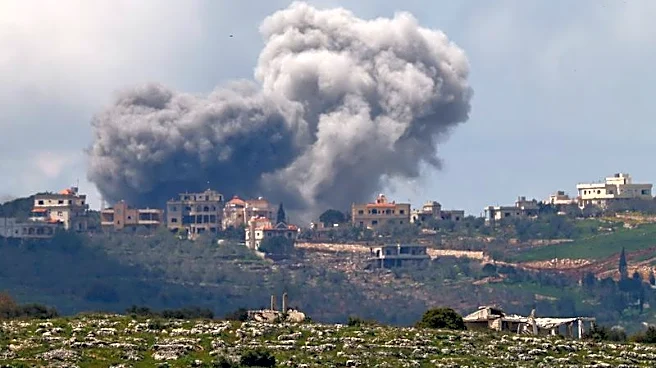
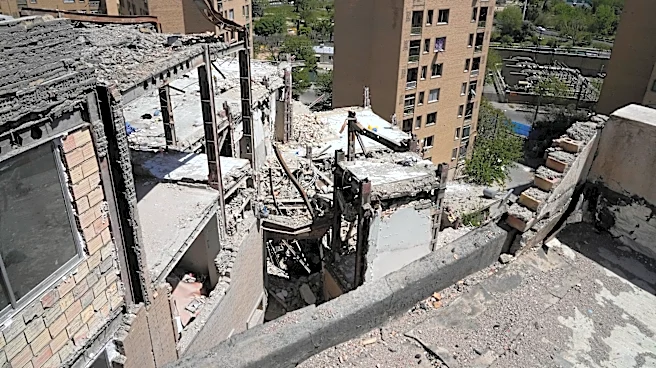
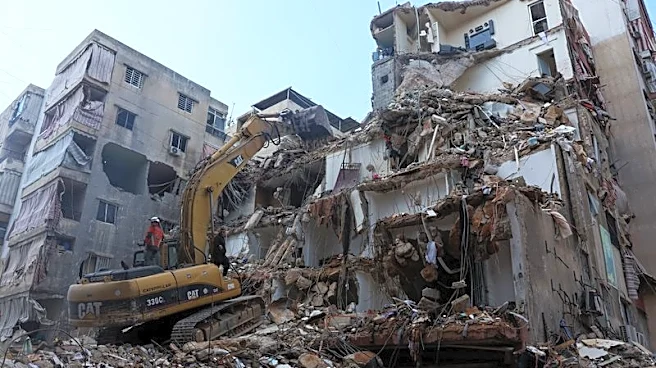
Historic peace talks between Israel and Lebanon have commenced, even as hostilities continue between Israeli forces and Hezbollah in southern Lebanon. The talks, described as positive by U.S. officials, involve the ambassadors of both countries to the United
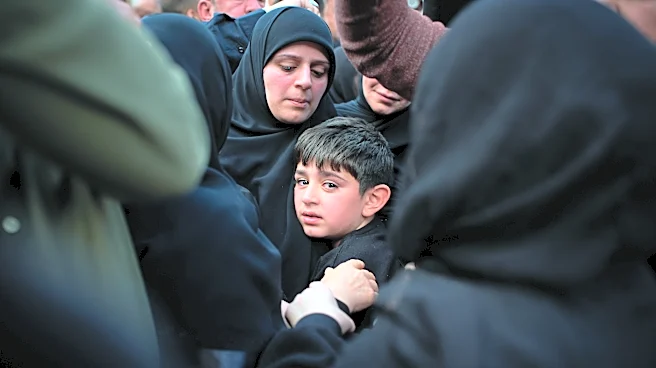
States. Direct negotiations between the U.S. and Iran are also ongoing, aiming to end the conflict. Lebanese media reactions are mixed, reflecting the country's deep divisions over the talks. Some view the negotiations as a breakthrough, while others remain skeptical about their potential outcomes. The talks are seen as a significant step towards peace, but the ability of Lebanon's government to enforce any agreement on Hezbollah remains uncertain.
Why It's Important?
The initiation of peace talks between Lebanon and Israel is a critical development in a region long plagued by conflict. Successful negotiations could lead to a permanent ceasefire and a security agreement, reducing the likelihood of future hostilities. For Lebanon, reclaiming diplomatic sovereignty and establishing military and security control with international support is crucial. The talks also symbolize a potential shift in regional dynamics, with the possibility of ending decades of conflict and hostilities. However, the ongoing violence and Hezbollah's influence pose significant challenges to achieving lasting peace.
What's Next?
The continuation of talks between Israel and Lebanon, as well as between the U.S. and Iran, will be pivotal in determining the future of the conflict. The international community's role in supporting Lebanon's sovereignty and facilitating a security agreement with Israel will be crucial. The outcome of these negotiations could redefine regional alliances and impact the broader Middle East peace process. The Lebanese government faces the challenge of balancing internal divisions while pursuing diplomatic solutions.