



What's Happening?
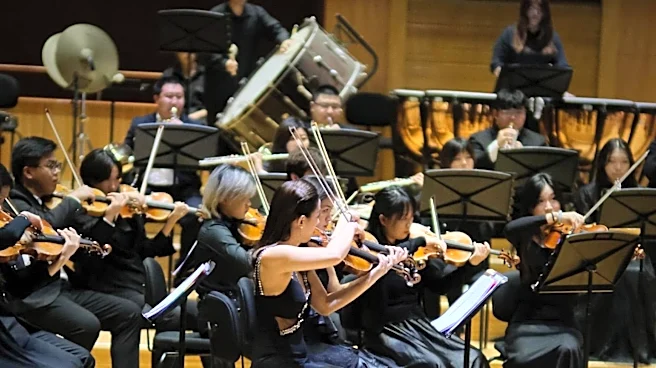
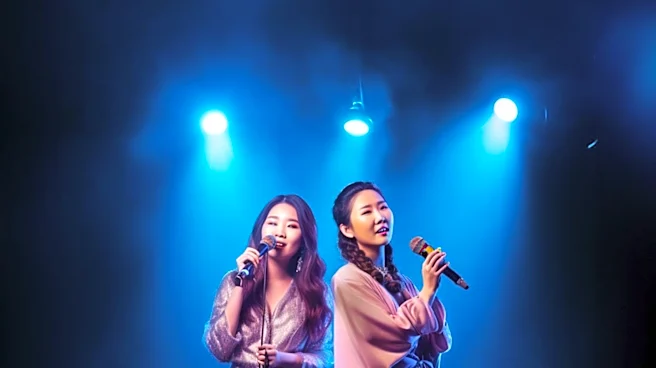
Clara Fernández Mallo, a student from the Cruz Novillo School of Art's Music and Performing Arts Baccalaureate, participated as an interpreter in the theatrical production 'A Song to Freedom.' This event, held in the gardens of the Provincial Council
of Cuenca, was part of the 'Spain: 50 Years in Freedom' program. The program, initiated by the Government Subdelegation in Cuenca, the Provincial Council of Cuenca, and the Antonio Pérez Foundation, aims to commemorate the 50th anniversary of the Spanish Transition. The performance, which combines music, voice, and dance, featured Javi Collado on vocals and instrumentation, Chema Bautista on guitar, and Juan Manuel Prieto in dance, alongside other student interpreters. The original concept and stage direction were by Javier Yuguero. The event attracted a significant audience, including students and faculty from the Cruz Novillo School of Art, as well as local dignitaries such as the Government Subdelegate in Cuenca, Mariluz Fernández, and the Provincial Deputy for Culture, María Ángeles Martínez.
Why It's Important?
This event is important as it highlights the role of arts and culture in commemorating significant historical periods, such as the Spanish Transition. The participation of students like Clara Fernández Mallo from the Cruz Novillo School of Art underscores the educational sector's involvement in preserving and interpreting national history through creative expression. Such programs foster a deeper understanding of historical events among younger generations and the wider public. By integrating music, voice, and dance, 'A Song to Freedom' offers an accessible and engaging way to reflect on the values and challenges associated with a nation's journey towards freedom and democracy. The collaboration between governmental bodies and cultural foundations also demonstrates a commitment to cultural heritage and public engagement, potentially inspiring similar initiatives that use art as a medium for historical reflection and community building.
What's Next?
The 'Spain: 50 Years in Freedom' program has just begun its activities, indicating that more events are likely to follow as part of the commemoration of the Spanish Transition's 50th anniversary. These future activities could include additional artistic performances, educational workshops, and exhibitions, continuing to engage the public and students in historical reflection. The success of 'A Song to Freedom' may encourage further collaborations between educational institutions, cultural foundations, and government entities to develop similar programs. The ongoing nature of the commemoration suggests a sustained effort to explore the historical context and legacy of the Spanish Transition through various cultural and educational lenses, potentially leading to new artistic creations and scholarly discussions.
Beyond the Headlines
Beyond the immediate commemoration, the event subtly emphasizes the enduring power of artistic expression in shaping collective memory and national identity. The involvement of young artists like Clara Fernández Mallo in interpreting historical narratives suggests a generational transfer of understanding and appreciation for democratic values. This artistic engagement can serve as a vital tool for fostering civic consciousness and critical thinking about historical processes. Furthermore, the fusion of different art forms—music, voice, and dance—in 'A Song to Freedom' illustrates how interdisciplinary approaches can enrich cultural discourse and make complex historical themes more resonant with diverse audiences. This initiative could also inspire broader discussions on the role of public institutions in supporting arts education and cultural programs that contribute to societal reflection and cohesion.