



What's Happening?
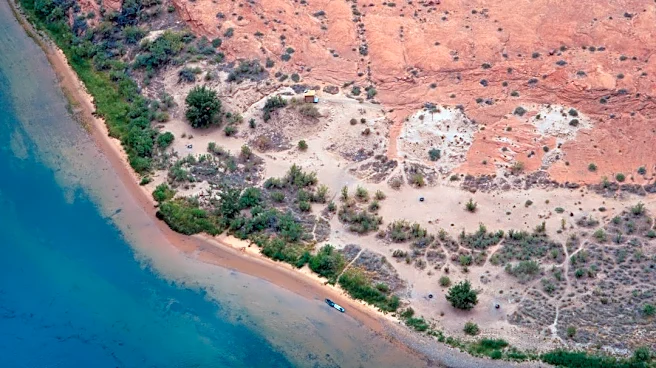
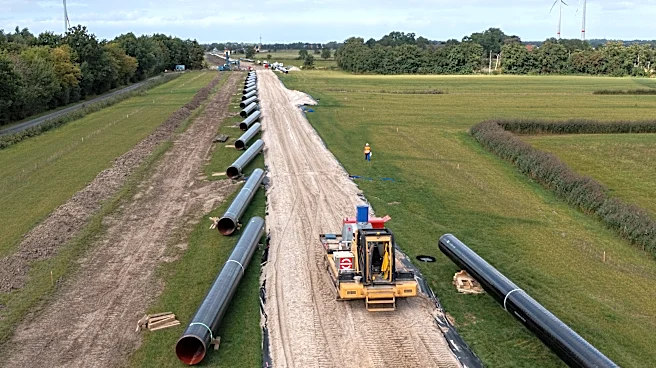
Cedar City and the Cedar Valley Water Conservancy are in conflict with ranchers, conservation groups, and an Indigenous tribe over a proposed pipeline project to pump groundwater from the Wah Wah Valley in western Beaver County, Utah. The project, which
recently received federal approval for its right-of-way, aims to transport water to fast-growing Cedar City, starting with 15 wells in Pine Valley before expanding to Wah Wah Valley. Rancher Mark Wintch, whose family relies on the valley's underground water, argues there isn't enough water to support the pipeline and that it would infringe on existing water rights and disrupt natural springs. The conservancy, however, asserts the project is necessary to meet Cedar City's growing water demands, as its population is projected to increase significantly, and the area already uses more water than its local aquifers can sustain. The first phase of the project is estimated to cost around $280 million and is not expected to be built until the 2030s.
Why It's Important?
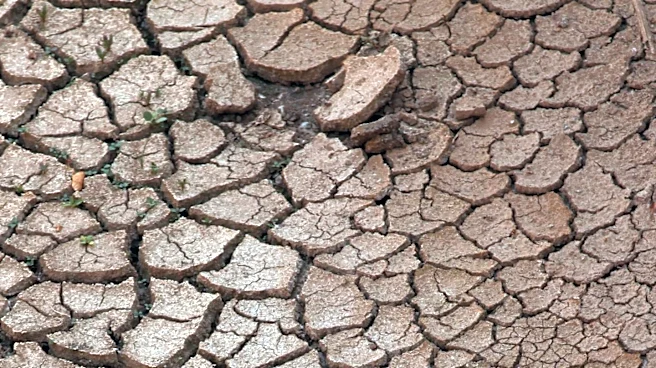
This dispute highlights the escalating water scarcity issues in the American West, particularly in Utah, where rapid population growth is straining limited water resources. The conflict between urban development needs and rural water rights, including those of Indigenous communities, is a recurring theme in the region. The Cedar City project's potential impact on the Wah Wah Valley's ecosystem and the livelihoods of ranchers underscores the environmental and economic stakes involved. For Cedar City, securing additional water is deemed essential for continued economic growth and accommodating its expanding population. However, opponents argue that such projects may not be sustainable and could lead to long-term ecological damage, affecting interconnected groundwater supplies, potentially even impacting the Great Salt Lake. The legal battles and appeals surrounding this project could set precedents for future water management and development in arid regions across the U.S., influencing how water rights are negotiated and protected amidst increasing demand.
What's Next?
Despite federal approval for the pipeline's right-of-way, the legal fight over the project is ongoing. Appeals from the Indian Peaks Band of the Paiute Indian Tribe and other opposition groups were dismissed earlier this year, but they may still pursue new lawsuits. Their primary legal argument centers on potential harm to tribal water rights and insufficient consultation by federal agencies during the approval process. Opponents are also advocating for Cedar City to prioritize water conservation efforts before embarking on large-scale water transfer projects. The Cedar Valley Water Conservancy plans to implement safeguards, including monitoring groundwater levels and potentially reducing pumping or sharing water if problems arise. Discussions are likely to continue regarding the project's environmental impact, economic feasibility, and the equitable distribution of water resources in a drought-prone region. The outcome of this dispute will significantly influence Cedar City's future growth trajectory and water management strategies.
Beyond the Headlines
The Cedar City water pipeline controversy is a microcosm of the broader water crisis facing the Western United States, exacerbated by megadrought and climate change. It exposes the ethical and legal complexities of water rights, particularly concerning Indigenous communities whose historical claims are often overlooked in development projects. The debate also touches upon the concept of 'water colonialism,' where urban centers draw resources from rural areas, potentially at the expense of local ecosystems and traditional ways of life. The argument for increased conservation efforts in Cedar City before tapping into new sources reflects a growing call for demand-side management rather than solely supply-side solutions. This case could influence public perception and policy regarding sustainable water practices, prompting a reevaluation of how cities plan for growth in water-stressed environments. The long-term implications extend to regional ecological stability and the socio-economic fabric of both urban and rural communities.