








What's Happening?
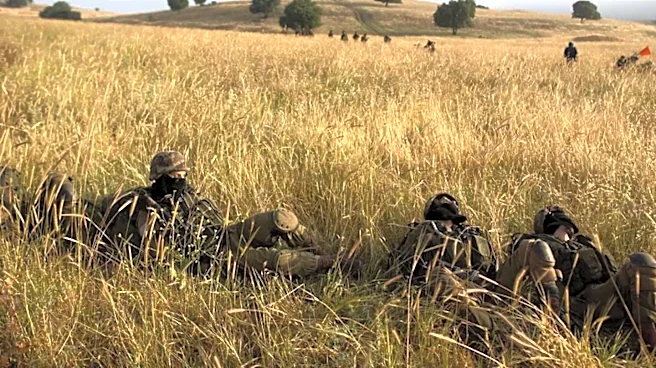
A new Western training initiative for Ukrainian troops on NATO soil, specifically at Camp Jomsborg in eastern Poland, is prioritizing the development of leaders and specialists rather than large numbers of basic recruits. This Norway-led Operation Legio,
supported by allied nations, aims to maximize impact by training individuals who can then return to Ukraine and train others. Brigadier Atle Molde, commander of Task Force Legio, emphasized that the limited capacity of Camp Jomsborg is best utilized by focusing on instructors, section leaders, and platoon and company commanders, many of whom already possess combat experience. Major John, the S3 Operations Officer, explained that while Ukraine can train many of its own troops, particularly in areas like drone warfare, Western militaries offer crucial expertise in other domains. The curriculum is tailored to Ukraine's specific requests, ensuring the training is relevant and beneficial to their war efforts against Russia.
Why It's Important?
This specialized training approach is critical for enhancing the qualitative capabilities of the Ukrainian military, which has significant implications for the ongoing conflict. By focusing on 'force multipliers' such as instructors and battlefield leaders, NATO allies are investing in a sustainable model for military development that extends beyond immediate combat readiness. This strategy addresses the long-term need for a well-trained and self-sufficient Ukrainian defense force, aligning with U.S. and NATO objectives of supporting Ukraine's sovereignty and defense. The emphasis on leadership, conventional methods, and military decision-making processes helps Ukraine transition from its Soviet-era military legacy towards Western standards, fostering interoperability and strategic alignment with NATO. This qualitative improvement is vital for Ukraine to effectively counter Russian aggression and for future stability in Eastern Europe, directly impacting U.S. foreign policy and security interests in the region.
What's Next?
The trained Ukrainian leaders and specialists will return to their units to disseminate their acquired knowledge and skills, effectively multiplying the impact of the Western training. This 'secondhand value,' as described by Major John, means that one trained instructor could potentially train hundreds of Ukrainian soldiers annually. The ongoing collaboration between Ukrainian and Western forces will likely continue to evolve, with both sides learning from each other's combat experiences and fundamental military expertise. This continuous exchange of knowledge and adaptation of training programs will be crucial for Ukraine to maintain its defensive capabilities and potentially launch future counter-offensives. The success of Operation Legio could also serve as a model for future international military assistance programs, emphasizing targeted, high-impact training over mass recruitment. The long-term goal is a cultural shift within the Ukrainian military towards Western operational doctrines and leadership structures.
Beyond the Headlines
The focus on training Ukrainian military leaders and specialists reflects a deeper strategic understanding of modern warfare, where effective leadership and specialized skills are as crucial as sheer numbers. This approach also highlights the evolving nature of military assistance, moving beyond simply supplying equipment to investing in human capital and institutional development. The desire of Ukrainian forces to adopt Western leadership structures and planning methods signifies a profound cultural and doctrinal shift away from their Soviet legacy, which has broader geopolitical implications for regional alignment and security architecture. This initiative also underscores the importance of adaptability and mutual learning in military alliances; while Western forces provide foundational expertise, Ukrainian soldiers bring invaluable combat experience and insights into contemporary battlefield technologies. This reciprocal learning environment fosters stronger alliances and more resilient defense capabilities, contributing to a more robust collective security framework that aligns with U.S. strategic interests in deterring aggression and promoting stability.