




What's Happening?
Antalya is implementing extensive security measures for the upcoming United Nations Climate Change Conference (COP31), scheduled from November 9-20, 2026. The summit, hosted by the Ministry of Environment, Urbanization, and Climate, and held under the auspices
of President Recep Tayyip Erdoğan, is described as the world's largest climate summit. Governor Hulusi Şahin announced that a total of 25,839 police personnel will be deployed, supported by 5 air vehicles, 7 sea vehicles, 13 ATVs, 26 armored vehicles, 12 TOMAs (riot control vehicles), 20 police horses, 458 'falcon' teams, and 110 'dolphin' motorcycles. Additionally, 1,903 gendarmerie personnel and 215 coast guard personnel will be on duty, along with staff from AFAD, health services, and municipal departments, bringing the total security and support personnel to over 27,000.
Why It's Important?
The COP31 Climate Summit in Antalya is a significant international event that will bring together global leaders and stakeholders to address critical climate change issues. The extensive security measures highlight the importance and high-profile nature of the conference, ensuring the safety of participants and the smooth conduct of proceedings. For the U.S., the outcomes of COP31 are crucial, as climate change policies discussed and agreed upon at such summits can directly impact its environmental regulations, economic strategies, and international climate commitments. The U.S. has a vested interest in global climate action, and the security and success of this summit are vital for advancing international cooperation on climate goals. The sheer scale of the security operation also reflects the potential for protests or disruptions at major international gatherings, underscoring the challenges of hosting such events.
What's Next?
The COP31 summit will proceed with these comprehensive security arrangements in place from November 9-20, 2026. During this period, global leaders and experts will engage in discussions and negotiations to formulate strategies and agreements on climate change. The focus will be on achieving consensus on critical environmental policies, which could lead to new international commitments and targets. The success of the security operation will be closely watched, as it sets a precedent for future large-scale international events. Following the summit, the implementation of any agreed-upon climate policies will become the next major challenge for participating nations, including the U.S.
Beyond the Headlines
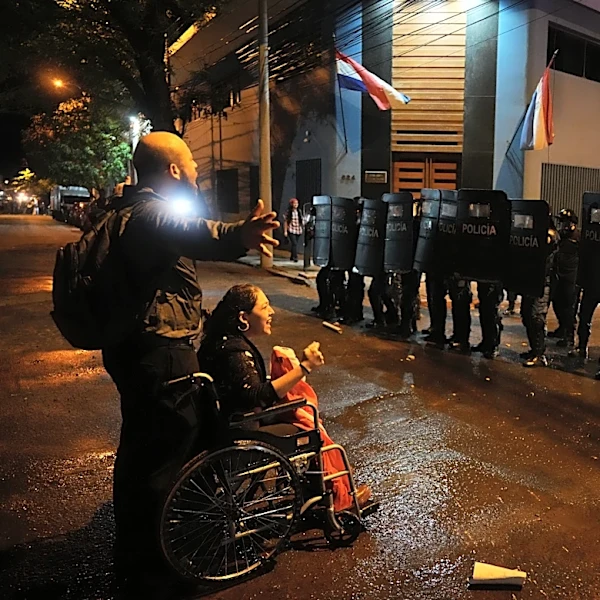
The deployment of such a massive security force for a climate summit underscores the increasing intersection of environmental policy, national security, and public order. It reflects a global trend where climate change discussions are no longer purely scientific or diplomatic but are also sites of significant political activism and potential civil unrest. The scale of the security measures also raises questions about the balance between ensuring safety and facilitating open dialogue and protest, which are often integral to such conferences. Furthermore, the hosting of such a major event by Turkey, under the patronage of President Erdoğan, highlights its growing role in international diplomacy and its commitment to addressing global challenges, despite ongoing regional tensions. This could enhance Turkey's international standing and influence in climate negotiations.