


What's Happening?
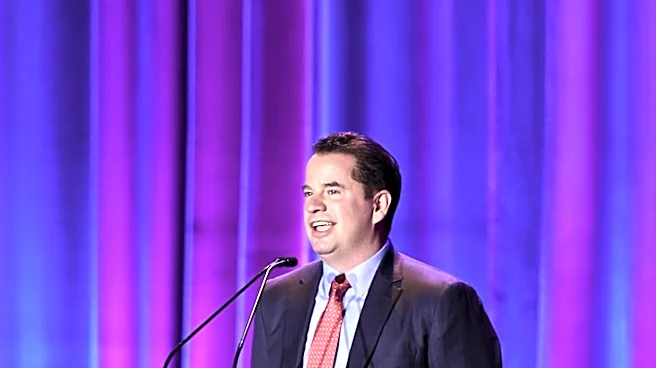
Journalist Glenn Greenwald is scheduled to be the guest at a Reason Speakeasy event, an unscripted conversation series hosted by the Reason Foundation. The event, which also serves as a live taping for The Reason Interview with Nick Gillespie podcast,
will feature Greenwald discussing various contemporary issues. These topics include the evolving political alliances within the U.S., significant changes in the media landscape, U.S. foreign policy under both President Trump and President Biden, and the upcoming 2024 presidential race. Greenwald is widely recognized for his work in publicizing Edward Snowden’s revelations regarding ubiquitous surveillance by the National Security Agency (NSA), which contributed to The Guardian winning a Pulitzer Prize. He later co-founded The Intercept in 2014, an independent website from which he departed in 2020. Currently, Greenwald hosts the nightly news show 'System Update' on Rumble and maintains an active presence on X (formerly Twitter). The Reason Speakeasy event is set to take place in Manhattan, offering attendees an evening of conversation and camaraderie.
Why It's Important?
This event is important as it provides a platform for a prominent and often controversial journalist like Glenn Greenwald to offer his perspectives on critical U.S. political and media developments. His insights into shifting political alliances could shed light on the fragmentation and realignment occurring within both major parties, impacting future electoral strategies and policy debates. Discussions on changes in the media landscape are particularly relevant given the ongoing challenges of misinformation, the rise of independent media platforms, and declining trust in traditional news outlets. Greenwald's analysis of U.S. foreign policy under different administrations could highlight continuities and divergences, influencing public understanding of America's role on the global stage. Furthermore, his views on the 2024 presidential race will contribute to the broader discourse surrounding the election, potentially influencing voter perceptions and campaign narratives. The event's format, an unscripted conversation, allows for a more candid and in-depth exploration of these complex issues, offering valuable context to the current political climate.
What's Next?
Following the Reason Speakeasy event, Glenn Greenwald's discussions on political alliances, media changes, U.S. foreign policy, and the 2024 presidential race will likely be disseminated through various channels. The live taping for The Reason Interview with Nick Gillespie podcast will make the conversation accessible to a wider audience, potentially sparking further debate and analysis across different media platforms. Greenwald's active presence on Rumble and X (formerly Twitter) suggests that he will continue to engage with these topics, possibly elaborating on points raised during the Speakeasy. His commentary could influence public opinion and contribute to the ongoing national dialogue, particularly as the 2024 election cycle progresses. The insights shared at the event may also inform the perspectives of other journalists, political commentators, and the public, shaping future discussions on these critical issues. The Reason Foundation, by hosting such events, continues its role in fostering discussions on free expression and heterodox thinking, which could lead to more such engagements with influential figures.
Beyond the Headlines
Beyond the immediate discussions, Greenwald's participation in events like the Reason Speakeasy highlights deeper trends in the U.S. media and political landscape. His transition from mainstream journalism to independent platforms like Rumble and X reflects a broader shift in how news and commentary are produced and consumed, often bypassing traditional gatekeepers. This move underscores the increasing polarization and fragmentation of media, where individuals seek out sources that align with their specific viewpoints or offer alternative narratives. The focus on 'shifting political alliances' also points to a re-evaluation of traditional ideological boundaries, with new coalitions and disagreements emerging that defy conventional left-right classifications. Furthermore, Greenwald's continued emphasis on issues like government surveillance, stemming from his work with Edward Snowden, keeps critical questions about privacy, civil liberties, and government overreach in the public consciousness. These discussions contribute to a more nuanced understanding of power dynamics and the role of independent journalism in holding institutions accountable, even as the media landscape itself undergoes significant transformation.