





What's Happening?
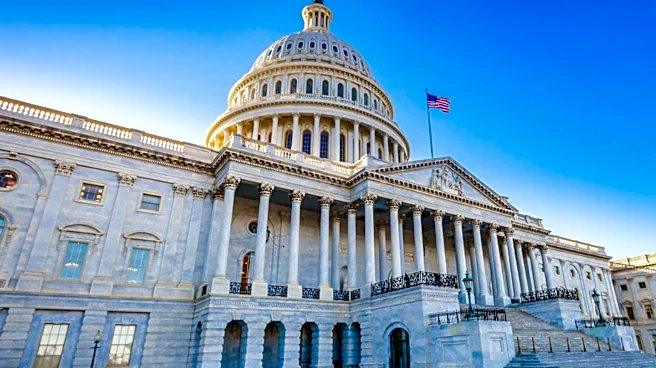
A bill aimed at assisting small businesses in combating cybersecurity threats has successfully passed the House of Representatives and is now moving to the Senate for further consideration. Republican Rep. Tony Wied of Wisconsin sponsored this measure.
If enacted into law, the legislation would mandate the Small Business Administration (SBA) to furnish resources, tools, and best practices to help small business owners defend against cybercriminals. Rep. Wied emphasized that the bill is designed to ensure that businesses outside of the nation's capital receive up-to-date information to counter what he describes as a growing national security threat. He noted that small businesses often spend excessive amounts on cybersecurity, and this bill would provide clear guidelines, particularly for those in Northeastern Wisconsin. Additionally, a second bill sponsored by Rep. Wied also passed the House, requiring the SBA administrator to maintain a webpage with resources and information concerning small business issues related to onshoring manufacturing capacity.
Why It's Important?
This legislative action is significant for the U.S. business landscape, particularly for the millions of small businesses that are increasingly vulnerable to cyberattacks. Small businesses often lack the dedicated IT staff and financial resources of larger corporations, making them prime targets for cybercriminals. The passage of this bill through the House signals a recognition of this critical vulnerability at the federal level. By requiring the SBA to provide accessible resources and best practices, the government aims to level the playing field, enhancing the cybersecurity posture of these businesses. This could lead to a reduction in data breaches, financial losses, and operational disruptions that disproportionately affect small enterprises. Furthermore, the emphasis on onshoring manufacturing capacity through another bill highlights a broader national interest in strengthening domestic supply chains and economic resilience, potentially benefiting U.S. manufacturing and job creation. The legislation could foster a more secure and robust small business ecosystem, which is a cornerstone of the American economy.
What's Next?
The cybersecurity bill, having passed the House, now proceeds to the Senate for consideration. Its future depends on the Senate's review, potential amendments, and a vote. If it passes the Senate, it would then go to the President for signature to become law. Should it be enacted, the Small Business Administration will be tasked with developing and disseminating the required cybersecurity resources and guidelines. This would involve creating educational materials, potentially establishing new programs, and updating its online platforms to support small business owners. Stakeholders, including small business advocacy groups, cybersecurity firms, and individual business owners, will likely monitor its progress closely. The implementation phase would then focus on how effectively the SBA can deliver these resources and how widely they are adopted by the target audience. The second bill, concerning onshoring manufacturing, will follow a similar legislative path, potentially leading to enhanced information and support for businesses looking to bring production back to the U.S.
Beyond the Headlines
The push for enhanced cybersecurity for small businesses reflects a deeper understanding of the interconnectedness of national security and economic stability. Cyber threats are no longer confined to large corporations or government entities; they pose a systemic risk to the entire economic fabric, with small businesses often serving as entry points for larger attacks. This legislation could set a precedent for more proactive government involvement in protecting private sector entities from digital threats. Ethically, it underscores a societal responsibility to protect vulnerable economic actors. Culturally, it may foster a greater awareness and adoption of cybersecurity best practices among small business owners, shifting the perception of cybersecurity from a niche IT concern to a fundamental operational necessity. The focus on onshoring manufacturing also points to a long-term strategic shift towards greater national self-reliance and resilience in critical supply chains, potentially influencing future trade policies and industrial development.