




What's Happening?
Southwest Research Institute (SwRI) and Southern Methodist University (SMU) are collaborating on two key energy projects through their Seed Projects Aligning Research, Knowledge and Skills (SPARKS) program. One project focuses on developing an AI-driven
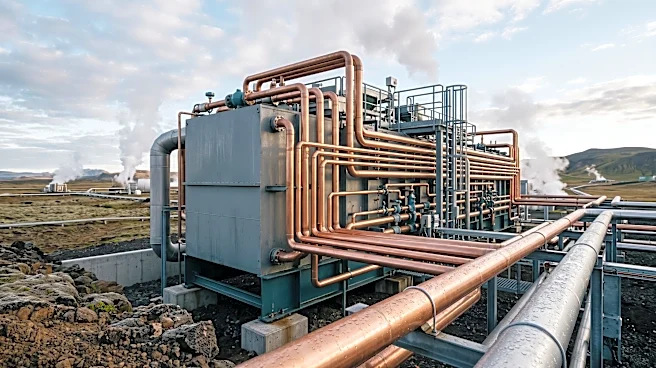
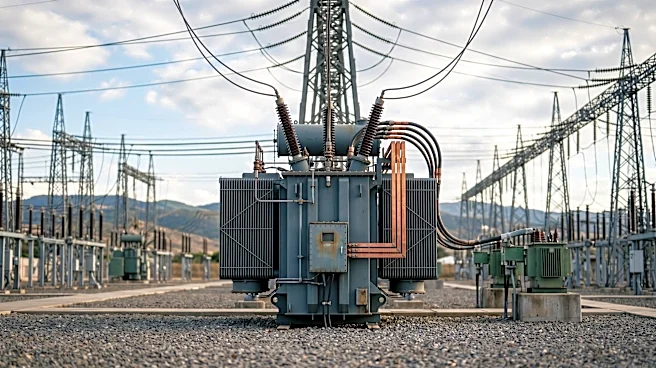
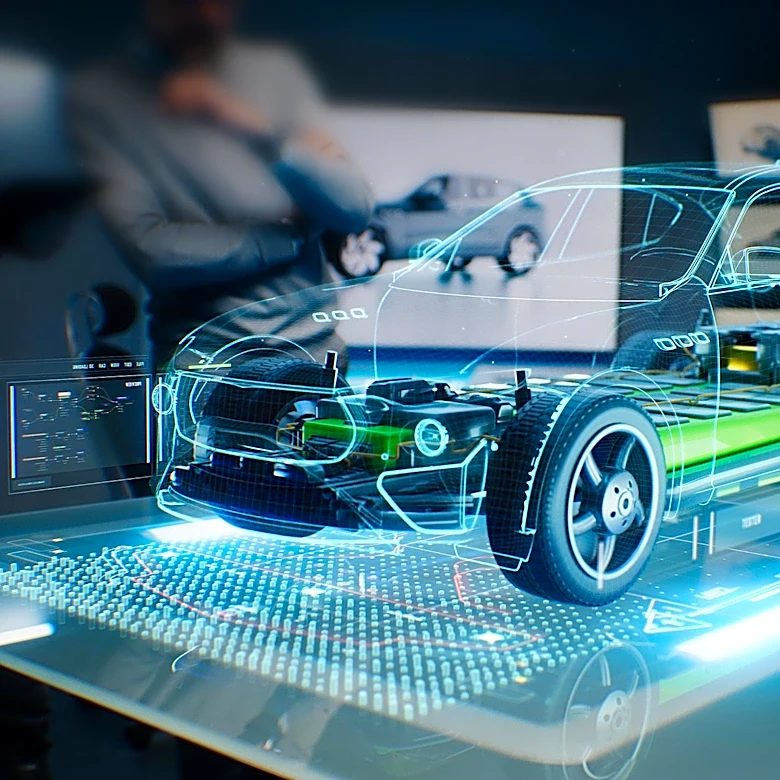
controller for hybrid microgrid systems. This controller will integrate battery energy storage systems (BESS) for short-term storage with long-duration hydrogen energy storage systems (HESS), along with fuel cells, advanced solid-state storage, renewable energy generation, and the local energy grid. The goal is to enhance the reliability, efficiency, and resilience of critical facilities like data centers, especially as AI computing drives unprecedented electricity demand. The second project aims to advance solid-state battery technology by engineering ultra-thin films to reduce degradation and resistance at the anode-electrolyte interface, thereby improving the stability and reliability of these next-generation batteries, which are crucial for electric vehicles and other energy storage applications.
Why It's Important?
These collaborative projects are significant for advancing U.S. energy independence and sustainability. The AI-driven microgrid controller addresses the growing demand for reliable and scalable power solutions, particularly for energy-intensive AI computing and data centers. By integrating diverse energy sources and storage, it promises greater system resilience during outages and renewable energy shortfalls, which is crucial for national infrastructure. The advancement in solid-state battery technology is vital for the electric vehicle market and broader energy storage applications. Solid-state batteries offer safer, longer-lasting, and more efficient alternatives to traditional lithium-ion batteries, with faster charging and greater energy density. Overcoming current manufacturing and materials challenges, especially the unstable interface between the lithium metal anode and solid electrolyte, could unlock widespread commercialization, impacting transportation, grid stability, and consumer electronics.
What's Next?
The SwRI and SMU teams will continue their research and development efforts, leveraging SwRI’s expertise in thin-film deposition and real-world testing infrastructure, alongside SMU’s strengths in solid-state battery development and AI controller design. For the microgrid project, the next steps involve further development and testing of the AI controller to efficiently regulate the microgrid’s performance, integrating various energy components. For solid-state batteries, the focus will be on establishing quantitative structure-property-performance relationships to link interfacial chemistry with long-term electrochemical performance. Successful outcomes from these projects could lead to pilot deployments in critical infrastructure and further commercialization efforts. The findings are expected to contribute to the broader scientific community, potentially accelerating the adoption of advanced energy storage and management systems across various sectors in the U.S.
Beyond the Headlines
The collaboration between SwRI and SMU highlights a broader trend of academic and research institutions partnering to tackle complex energy challenges. This interdisciplinary approach, combining materials science, electrical engineering, and artificial intelligence, is essential for developing holistic solutions for the future energy landscape. The focus on hybrid microgrids with hydrogen storage points towards a future where energy systems are more decentralized, resilient, and capable of integrating a higher proportion of renewable energy. Furthermore, the breakthroughs in solid-state battery technology could reduce reliance on critical raw materials associated with traditional lithium-ion batteries, potentially mitigating geopolitical risks and supply chain vulnerabilities. These advancements could also foster new industries and job creation in the U.S., positioning the nation as a leader in next-generation energy technologies and contributing to long-term economic growth and environmental sustainability.