


What's Happening?
New York City Mayor Zohran Mamdani was observed volunteering at the 2026 New York City Marathon, distributing water to runners at the 13-mile mark in Long Island City, Queens. On Sunday, November 1, Mayor Mamdani forewent his usual City Hall engagements
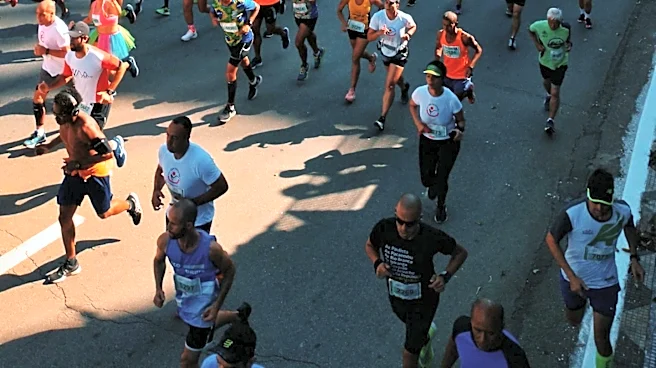
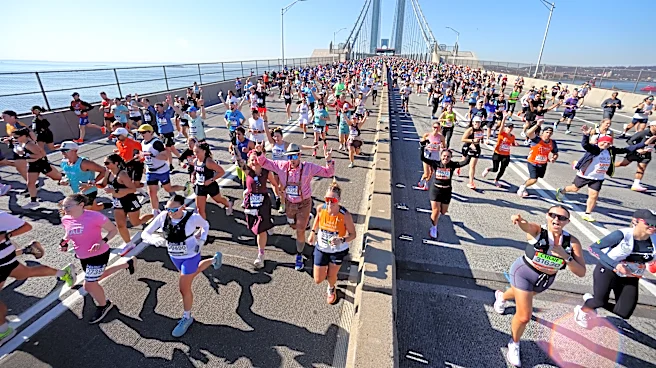
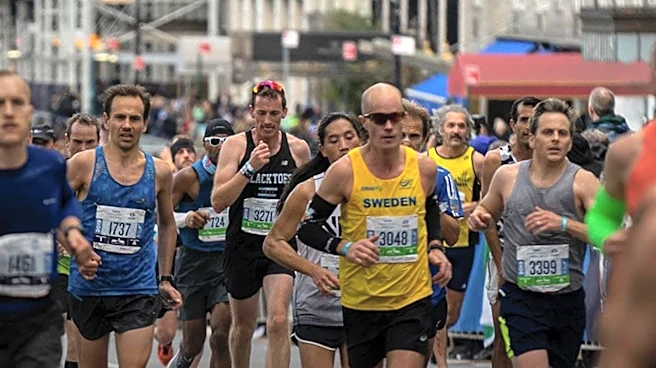
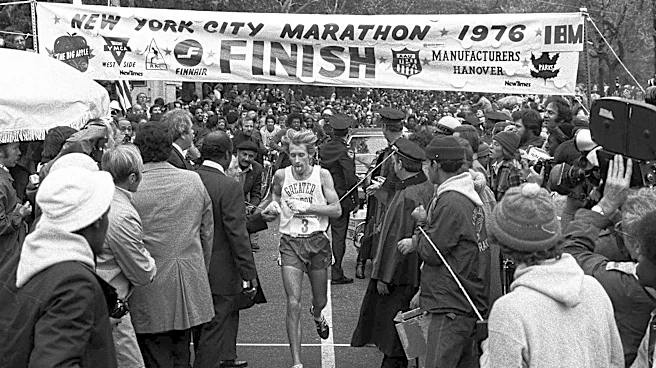
to join other volunteers, actively engaging with participants in the anniversary edition of the marathon, which marked 50 years since its route expanded to cover all five boroughs. Social media quickly filled with videos and photos of the mayor, dressed in a volunteer's T-shirt, handing out cups of water and cheering on runners. This gesture garnered significant positive attention online, with many New Yorkers expressing pride and appreciation for their mayor's hands-on involvement. The event saw nearly 60,000 runners from around the world, and Mamdani's participation was highlighted as a personal touch in a city-wide celebration of endurance and community.
Why It's Important?
Mayor Mamdani's decision to volunteer at the NYC Marathon holds significant symbolic and practical importance for New York City. His direct involvement fosters a sense of community and connection between the city's leadership and its residents, particularly in an event that embodies the spirit of perseverance and collective effort. This action can enhance public perception of the mayor as accessible and genuinely invested in the well-being of New Yorkers, moving beyond traditional political appearances. For the thousands of volunteers and participants, seeing their mayor actively contributing reinforces the idea that the marathon is a shared experience, transcending athletic achievement to become a testament to civic engagement. This kind of public engagement can also serve as a model for other public officials, demonstrating the value of direct community participation in fostering goodwill and strengthening civic bonds.
What's Next?
Mayor Mamdani's public display of community involvement at the NYC Marathon could set a precedent for future mayoral engagements and potentially influence how other political figures interact with public events. This positive reception may encourage him to continue such hands-on participation in other city-wide initiatives, further solidifying his image as a 'people's mayor.' The viral nature of his appearance on social media suggests that such actions resonate strongly with the public, potentially impacting future political campaigns or public approval ratings. It also highlights the growing importance of authentic, visible leadership in an era where public figures are often perceived as detached. The event itself, celebrating its 50th anniversary, will likely continue to be a major fixture in New York City, and future mayors may feel a similar impetus to engage with it in a personal capacity.
Beyond the Headlines
Beyond the immediate positive public relations, Mayor Mamdani's participation in the marathon taps into a deeper cultural narrative about leadership and community in New York City. His past experience as a two-time marathon runner, including one instance where he ran wearing a T-shirt protesting then-Mayor Eric Adams and the city's rent crisis, adds layers of authenticity and personal history to his current role as a volunteer. This background allows him to connect with runners on a more profound level, understanding the physical and mental challenges they face. It underscores the idea that effective leadership can stem from shared experiences and empathy, rather than just policy-making from an ivory tower. This blending of personal passion with public duty can inspire greater civic participation and reinforce the notion that New York City's strength lies in its diverse and engaged populace, where even the mayor is willing to 'get in the chaos' and support his fellow citizens.