






What's Happening?
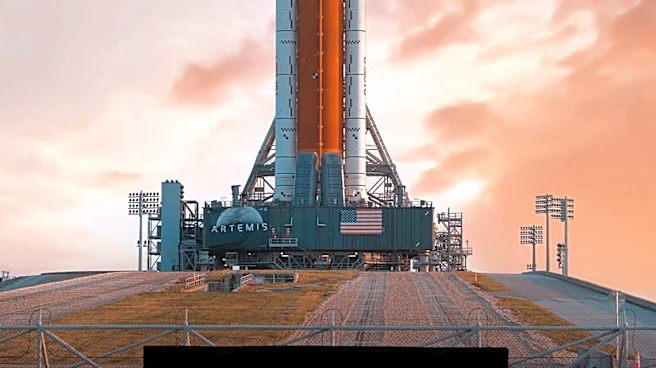
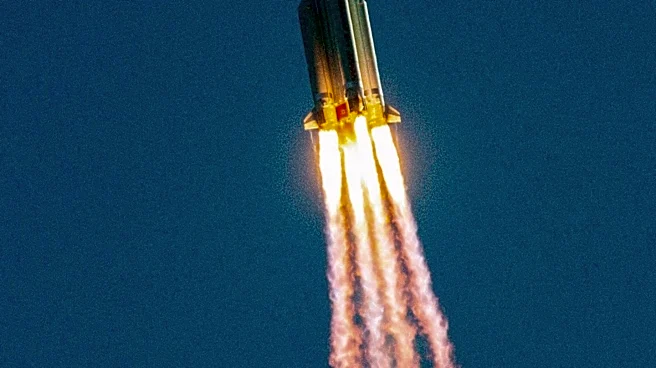
NASA is progressing with the assembly of the Artemis III rocket, a key component of its mission to return astronauts to the moon. The recent arrival of a solid rocket booster section at the Kennedy Space Center marks a significant step in the preparation
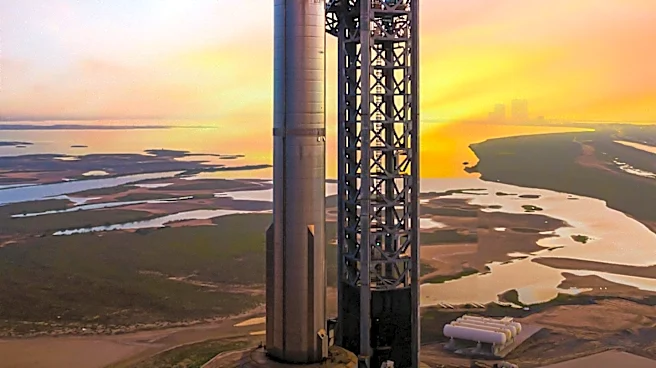
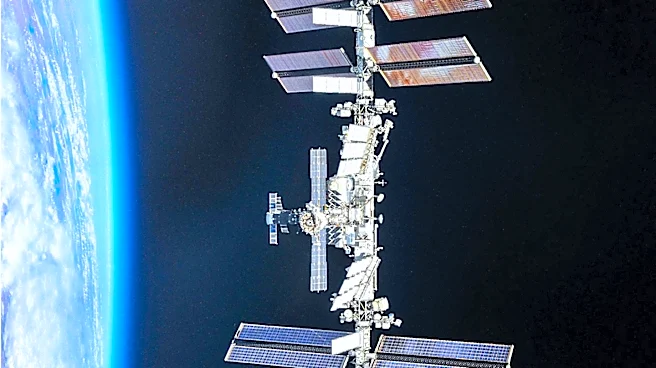
for the 2027 launch. The Artemis III mission will utilize the Space Launch System (SLS) rocket, which is equipped with two solid rocket boosters providing over 75% of the lift-off power. The assembly process involves stacking various components, including the core stage and the boosters, in the Vehicle Assembly Building. This mission will be the second crewed mission under the Artemis program, focusing on testing rendezvous and docking capabilities necessary for future lunar landings. The Artemis III crew will conduct these tests in low Earth orbit, using prototypes of moon landers developed by SpaceX and Blue Origin.
Why It's Important?
The Artemis III mission is a critical step in NASA's long-term goal of establishing a sustainable human presence on the moon. By testing key technologies and procedures, NASA aims to ensure the success of future lunar missions. The collaboration with private companies like SpaceX and Blue Origin highlights the growing role of commercial partnerships in space exploration. This mission not only advances technological capabilities but also strengthens the U.S.'s position in the global space race. Successful execution of Artemis III could pave the way for more ambitious projects, including potential manned missions to Mars, thereby expanding human exploration beyond Earth's orbit.
What's Next?
As the assembly of the Artemis III rocket continues, NASA plans to conduct a wet dress rehearsal by the end of the year. This involves a full systems check, including fueling the rocket, to ensure readiness for launch. The mission's success will depend on the seamless integration of components and the effectiveness of the new technologies being tested. Stakeholders, including NASA, SpaceX, and Blue Origin, will closely monitor the progress, as any delays or technical issues could impact the timeline for future missions. The outcome of Artemis III will influence the planning and execution of subsequent Artemis missions, which aim to land astronauts on the lunar surface.