





What's Happening?
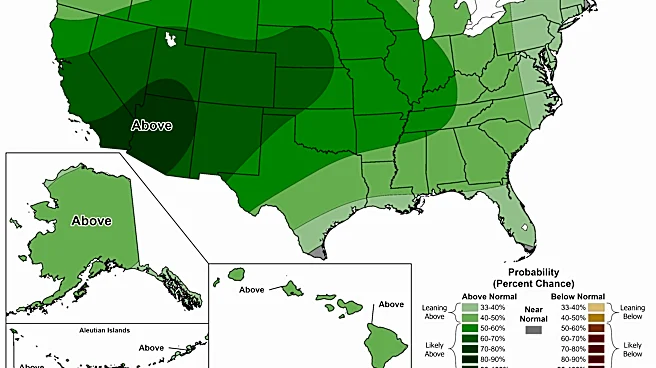
AAA is issuing guidance to U.S. residents on how to prepare their homes, vehicles, and insurance for severe weather conditions anticipated during an El Niño pattern. This phenomenon, characterized by unusually warm Pacific Ocean waters, typically brings
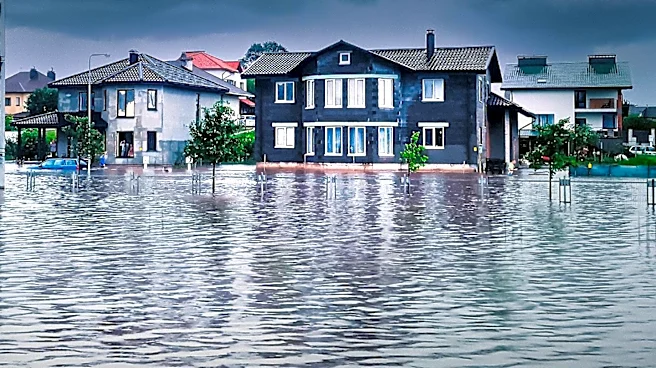
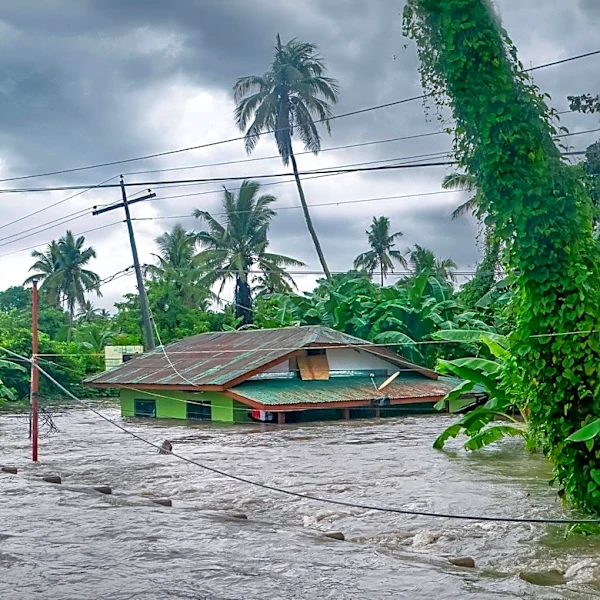
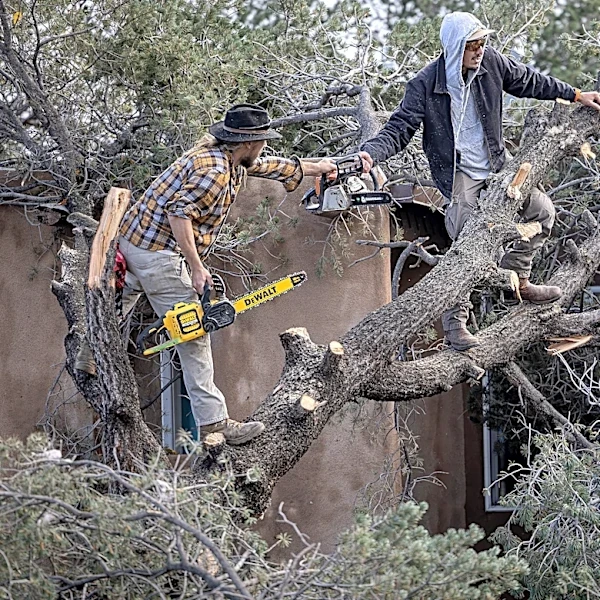
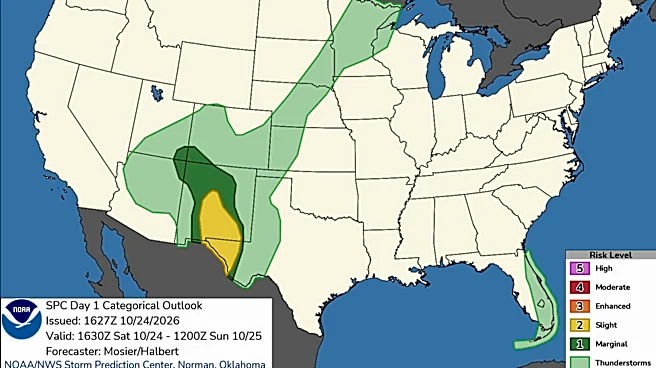
wetter winters to many parts of the United States every two to seven years. The expected weather impacts include heavy rain, localized flooding, unusual ice or snow, and milder conditions in northern areas. Southern regions may experience a more active storm track, increasing the likelihood of severe thunderstorms and tornadoes, potentially outside the traditional spring season. AAA emphasizes that while El Niño doesn't guarantee specific events, it shifts the odds towards stormier conditions in certain regions, necessitating proactive preparation.
Why It's Important?
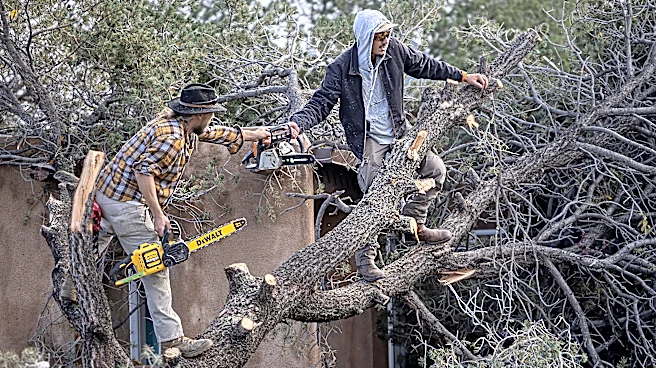
The advice from AAA is crucial for mitigating potential financial and safety risks for U.S. homeowners and drivers. Severe weather events, such as flooding, can cause extensive damage to vehicles, often beyond visible signs, impacting electronics and sensors. For homes, heavy rain, damaging winds, freezing temperatures, and power outages pose significant threats. By reviewing insurance policies, individuals can identify and address costly gaps in coverage, as standard homeowners' insurance typically covers sudden losses from wind, ice, or snow but often excludes flood damage, which requires separate flood insurance. Proactive measures like preparing emergency kits, maintaining vehicles, and protecting homes can reduce property damage, ensure personal safety, and minimize disruptions to daily life and travel.
What's Next?
U.S. residents are advised to take immediate steps to prepare for the anticipated El Niño weather. This includes checking auto, home, or renters insurance policies for adequate coverage, particularly regarding flood insurance. Homeowners should focus on preventing frozen pipes and protecting against ice damage. Vehicle owners should prepare their cars with emergency kits, inspect batteries and tires, and monitor travel plans for weather-related disruptions. AAA recommends scheduling a 'Triple Check' review with a local AAA Insurance agent to ensure comprehensive preparedness. These actions are critical in the coming months as the El Niño pattern is expected to influence weather conditions across the country, potentially leading to increased severe weather events.
Beyond the Headlines
The recurring nature of El Niño highlights a broader challenge for U.S. infrastructure and community resilience in the face of climate variability. Beyond immediate preparations, the emphasis on insurance coverage underscores the financial burden severe weather places on individuals and the insurance industry. The need for separate flood insurance, for instance, points to the limitations of standard policies and the increasing frequency of flood events. This situation also implicitly calls for greater public awareness and education on climate phenomena and their localized impacts, encouraging a shift from reactive responses to proactive risk management. The long-term implications involve potential adjustments in urban planning, infrastructure development, and emergency response strategies to better withstand future extreme weather patterns.